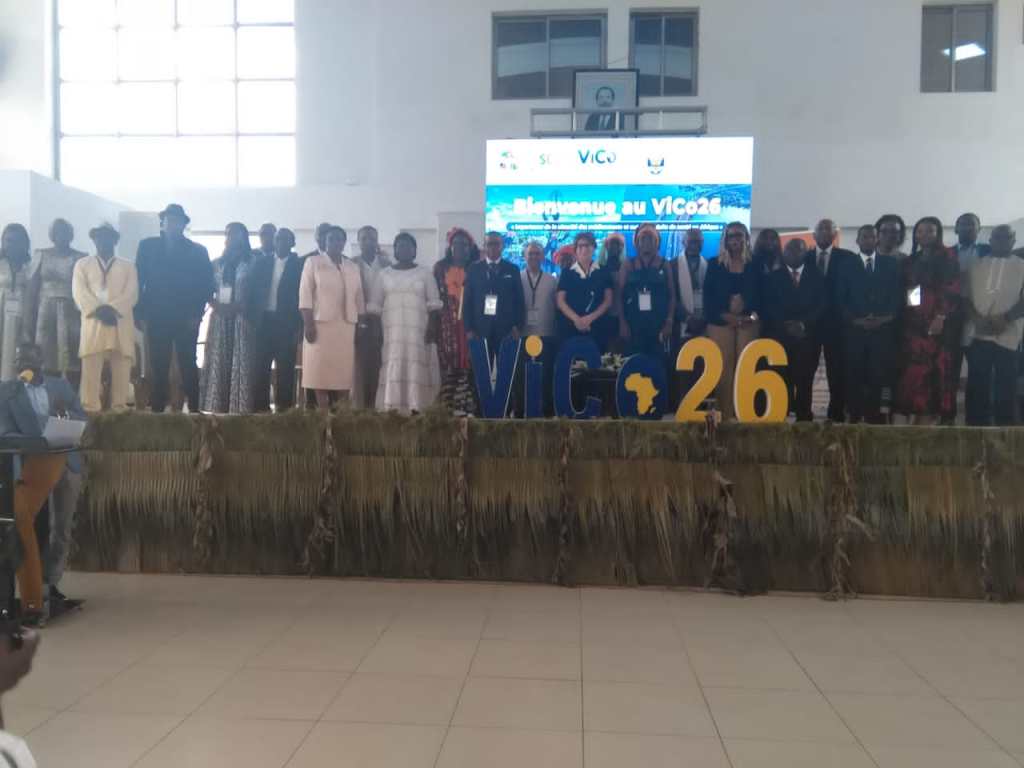
Medical experts and health stakeholders from across Africa converge in Douala for the inaugural International Congress of Pharmacovigilance (ViCo26). The congress from November 19 to 21, 2026, under the theme “The Importance of Safe Medicines and Other Health Products in Africa,” strengthen safeguards around medical products and protect public health across the continent. While African nations have made significant strides in improving the availability of medicines, experts warn that access alone is not enough without rigorous safety monitoring. “For a long time, African countries have made great efforts to make health products available, and we must congratulate our governments for this,” said Dr. Maurice Mbwe, President and Founder of the Cameroonian Society of Pharmacovigilance (SOPHACAM), a scientific society dedicated to research, awareness, and training on health product risks. “However, we realized it was necessary to ask ourselves: what good is having drugs available if they pose risks that threaten the lives of our populations?”Dr. Mbwe emphasised that drug-related risks are not limited to illicit street medications. Even drugs properly prescribed by a doctor and dispensed by a pharmacist carry potential side effects. “The public must understand that experiencing a side effect does not necessarily mean a medicine is bad,” Dr. Mbwe explained. “That is why we urge patients to report adverse reactions to health professionals, and for those professionals to notify the Ministry of Health. Every undesirable effect reported is a life saved it prevents another person from going through the same ordeal.” A medication has the power to heal, but it can also harm. Pre-market clinical trials typically involve only a few thousand participants over a limited period, meaning rare or delayed adverse effects often only surface once a product is used by millions of people in real world settings.Pharmacovigilance the science of detecting, assessing, understanding, and preventing these adverse effects extends far beyond conventional pills. Modern health vigilance encompasses a wide range of products:Furthermore, Cameroon operates a national vigilance system managed by the Ministry of Public Health (MINSANTE), yet significant public health challenges highlight the urgent need for stronger reporting and regulation: In 2023, a cough syrup contaminated with diethylene glycol caused severe kidney failure among children in the Littoral region, prompting an international alert from the World Health Organization (WHO).
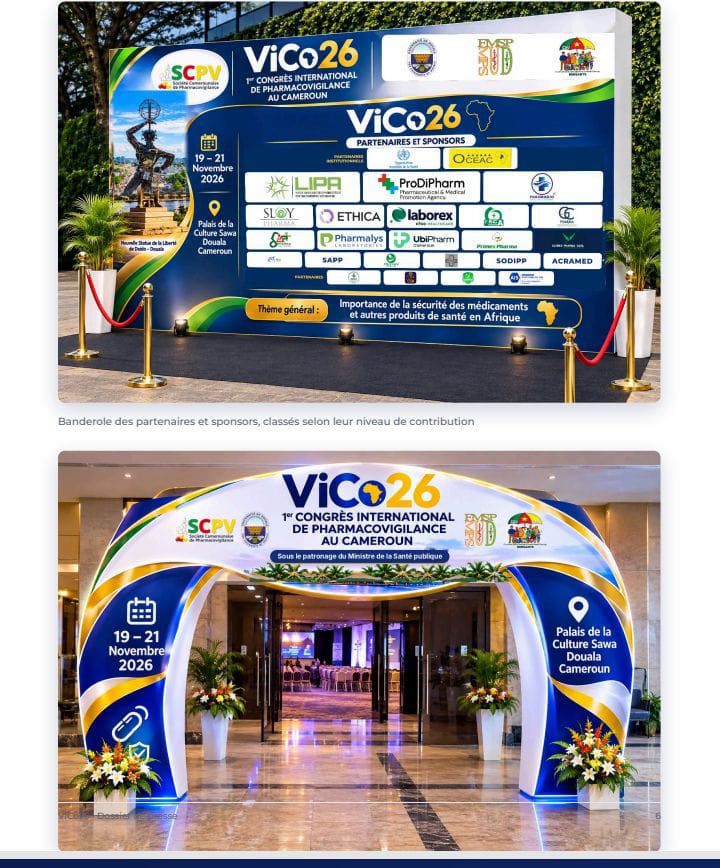
This landmark case is slated for presentation during the congress. Health authorities face a surge in street drugs, harmful skin-lightening cosmetics, unverified dietary supplements sold on social media, and traditional remedies with unknown compositions. Many adverse drug reactions go undocumented. As experts note, an unreported side effect is critical safety information lost for the next patient. Widespread self-medication and the irrational use of antibiotics continue to reduce the effectiveness of vital treatments.iCo26 marks the first time Cameroon has brought together every link in the healthcare supply chain regulatory authorities, hospitals, pharmacies, universities, pharmaceutical industries, international partners, and civil society under one roof.“Patient safety doesn’t end with providing a quality product,” said Dr. Anne Victoire Dime, Deputy Director of Pharmacy (DPML/MINSANTE) and Secretary General of the ViCo26 Steering Committee. “It requires constant vigilance.”Over the course of the congress, participants focused on five core goals: Reviewing existing vigilance frameworks in Cameroon, across Africa, and globally. Making adverse-effect reporting an automatic reflex for all healthcare workers, from major hospitals to local pharmacies. Expanding monitoring across all health sectors, including medicines, vaccines, traditional plants, cosmetics, supplements, medical devices, reagents, and blood products. Facilitating collaboration and shared experiences among Cameroonian, African, and international experts.


Leave a Reply