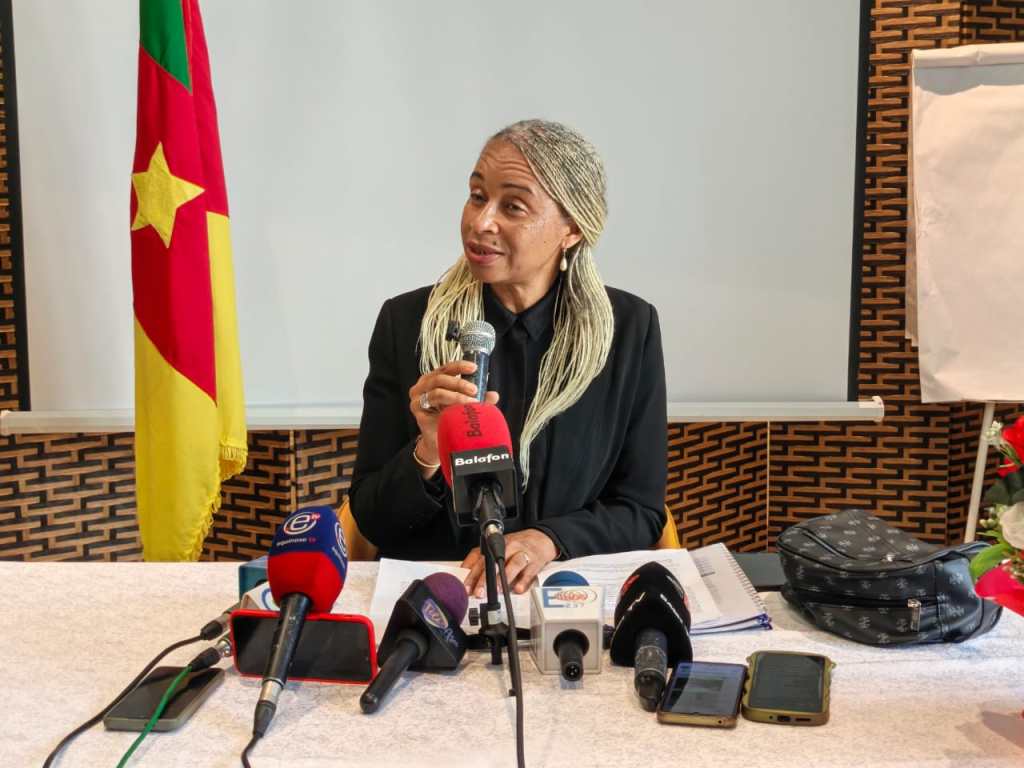
The political landscape of Cameroon could be heading towards a new phase of cooperation as the Union Démocratique du Cameroun (UDC) unveils a Republican Pact aimed at bringing opposition political parties, civil society organisations and media professionals under a common framework for democratic change. The initiative was presented in Douala on November 5, 2026, by UDC President, Hon. Tomaino Ndam Njoya, who called for renewed political dialogue, national reconciliation and collective commitment to peaceful democratic processes. Presenting the document, Hon. Ndam Njoya underscored Cameroon’s historical, geographical and cultural diversity, stressing the importance of upholding dialogue, democratic values and respect for human rights. She described recent developments in the country as warning signs requiring urgent attention to safeguard national unity and social cohesion. Among the issues highlighted were the need for inclusive discussions on a possible revision of the January 18, 1996 Constitution to reflect changing political, social, economic and environmental realities. She also expressed concerns over restrictions on freedom of expression and peaceful demonstrations, trade union demands, post-electoral tensions and the ongoing crisis in the North West and South West Regions.
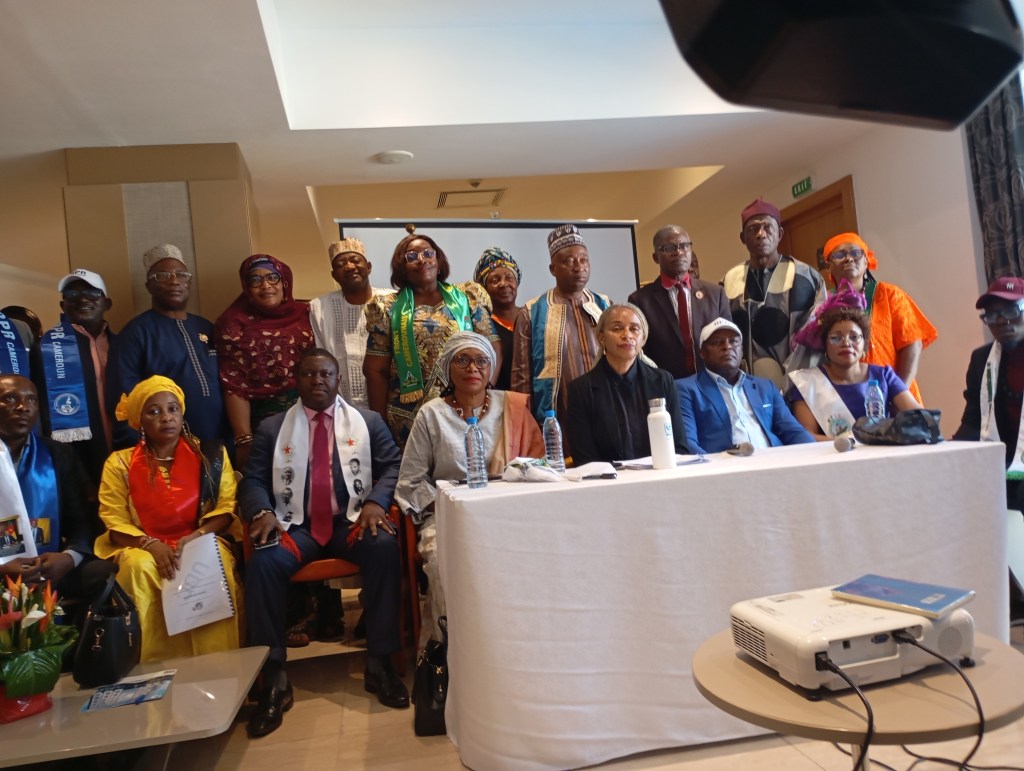
The UDC leader called on government authorities to reconsider restrictive measures and create an atmosphere conducive to genuine and inclusive dialogue. Reflecting on Cameroon’s political history, she cited previous initiatives, including the 1991 Tripartite Talks, the 1992 Union for Change, the 2004 Coalition for National Reconciliation, the G7 initiative of 2011 and the consensual candidacy initiative of 2025. According to her, these experiences demonstrate the importance of establishing a more structured and sustainable framework for political cooperation. She explained that the Republican Pact seeks to address the limitations of previous political alliances by defining clear commitments, rights and responsibilities for all participating parties and organisations. It also proposes common rules for electoral cooperation, accountability mechanisms and sanctions in cases of non compliance. Under the proposed arrangement, participating parties and organisations will retain their individual identities while subscribing to shared principles and collective decisions.The framework is expected to cover all electoral processes in the country, including presidential, municipal, regional, legislative and senatorial elections. Through the initiative, the UDC president is advocating a coordinated approach that brings together political and civic actors around agreed principles, with dialogue, reconciliation and peaceful engagement at the centre of efforts towards democratic change in Cameroon.


Leave a Reply