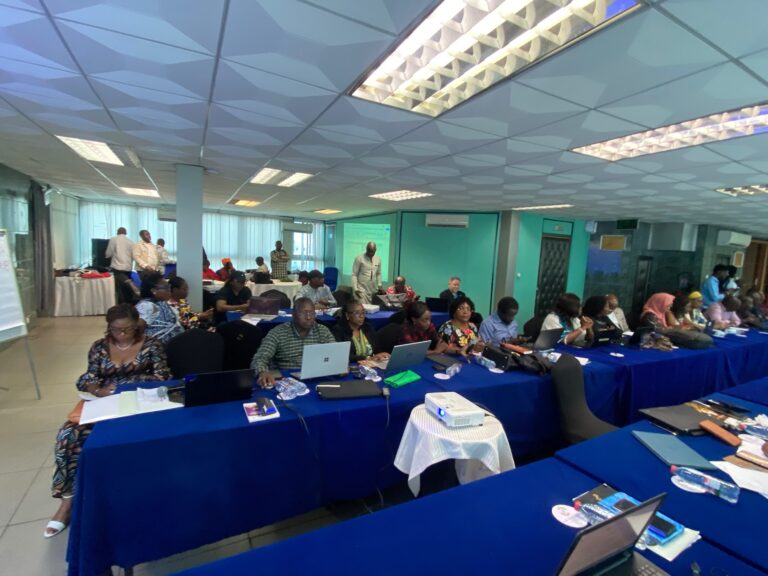
Education, child protection, and social cohesion take center stage in Douala as the Cameroonian government accelerates the development of a landmark national framework. Designed to eliminate school-based violence, strengthen victim support, and restore trust within learning environments, the proceedings mark a critical turning point for the nation’s education sector.Running from October 19 to 23, 2026 in Douala.The technical workshop brings together key educational actors, civil society leaders, and international partners. Spearheaded by the Ministry of Basic Education (MINEDUB) with technical expertise from UNICEF and funding from the Global Partnership for Education (GPE), the initiative aims to establish a fully validated national strategy no later than December 31, 2026.“A child’s development begins at an early age. Protecting learners requires clear rules, exemplary conduct, and actionable reporting mechanisms without fear of retaliation.”Evelyne Ayukegba, Director of Sports, School Health, and Extracurricular Activities (MINEDUB). Violence in educational settings takes many forms—physical assault, harassment, humiliation, psychological abuse, sexual coercion, corporal punishment, and modern digital violence. These acts involve students, educators, and administrative staff alike, revealing complex social dynamics that demand more than routine disciplinary actions.For years, responses to such incidents have often been ad hoc and fragmented. This new national framework aims to institutionalize a integrated pipeline covering five essential pillars:Fostering institutional culture rooted in human rights and equality. Establishing accessible, confidential reporting channels for victims and witnesses. Linking educational bodies directly with social and legal protection services. Delivering psychological and medical assistance to affected learners.Tracking cases to ensure accountability and evaluate progress.
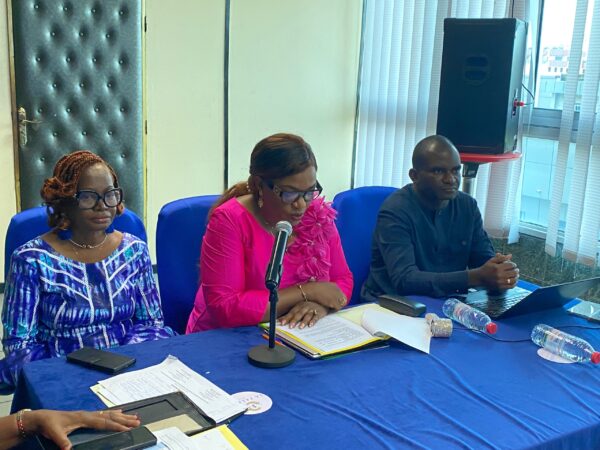
Crucially, the strategy covers the entire educational continuum breaking down administrative silos between preschool, primary, secondary, technical, and higher education. A major focus of the strategy is the protection of female learners and educators. Through the Project to Support the Professionalization of the Teaching Profession in Cameroon(PAPMEC), stakeholders are prioritizing measures against gender-based violence (GBV), early pregnancies, forced marriages, and discriminatory practices that force young girls out of school.Alongside student protection, the proposal emphasizes establishing a strict, specialized Code of Conduct for Teachers and Administrative Staff. By clarifying the boundary between routine discipline and punishable offenses, the policy ensures that criminal acts are dealt with according to law rather than swept under the rug. The Prime Ministers Directives of (2020) Secure school premises and strengthen parental engagement.While Law No. 98/004 of April 4, 1998, explicitly guarantees the physical and moral integrity of students, execution across institutions has historically been uneven. Recognizing this gap, the workshop methodology relies on empirical diagnostic assessments, documented case studies, and plenary working groups to ensure the strategy reflects realities on the ground. During the opening address on October 21, MINEDUB leadership called for collective action across technical partners, civil society, municipal councils, and local communities. Ultimately, the credibility of this initiative will be judged not by the formal quality of the strategic document, but by its tangible impact inside the classroom.As the December 31 deadline approaches, stakeholders are focused on delivering a measurable policy instrument that ensures every school in Cameroon remains a safe haven for learning.


Leave a Reply