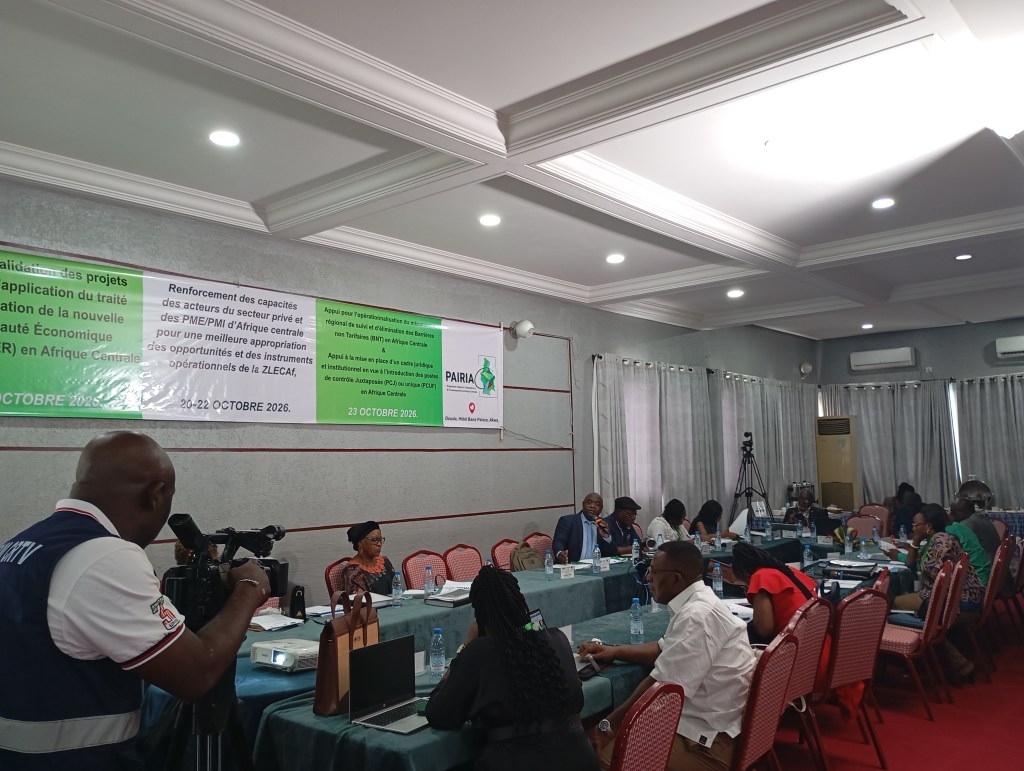
Small and Medium-Sized Enterprises (SMEs) in Central Africa have been equipped with practical skills to take advantage of market opportunities under the African Continental Free Trade Area (AfCFTA), following a three-day training workshop held in Douala from October 20 to 22, 2026.Organised under the Regional Integration and Investment Support Programme in Central Africa (PAIRIAC), with the support of the European Union and in collaboration with the Economic Community of Central African States (ECCAS) and the Central African Economic and Monetary Community (CEMAC), the workshop aimed to help businesses translate the opportunities offered by the continental trade agreement into tangible export activities. The training focused on the practical challenges that often prevent SMEs from fully participating in regional and continental trade. These include access to commercial information, preferential tariffs, rules of origin, customs documentation, non-tariff barriers, transit procedures and risks associated with regional transport corridors.One of the resource persons, Dr Honoré Justin Mondomobe, highlighted the importance of understanding these requirements to facilitate cross-border trade. Through interactive sessions, practical demonstrations and case studies, participants learned how to identify potential export markets, verify applicable tariffs, establish the origin of their products and prepare the documentation required for international trade. Particular emphasis was placed on non-tariff barriers, which can restrict the movement of goods even when customs duties have been reduced. Dr Mondomobe encouraged SMEs to document such obstacles with verifiable evidence and report them through the appropriate regional and continental mechanisms.Representatives of the Cameroon National Shippers’ Council Tonye Merveille Telesphore highlighted persistent challenges affecting cross-border commerce, including limited knowledge of legal and regulatory requirements, illegal barriers and insufficient cooperation among stakeholders within the CEMAC zone.
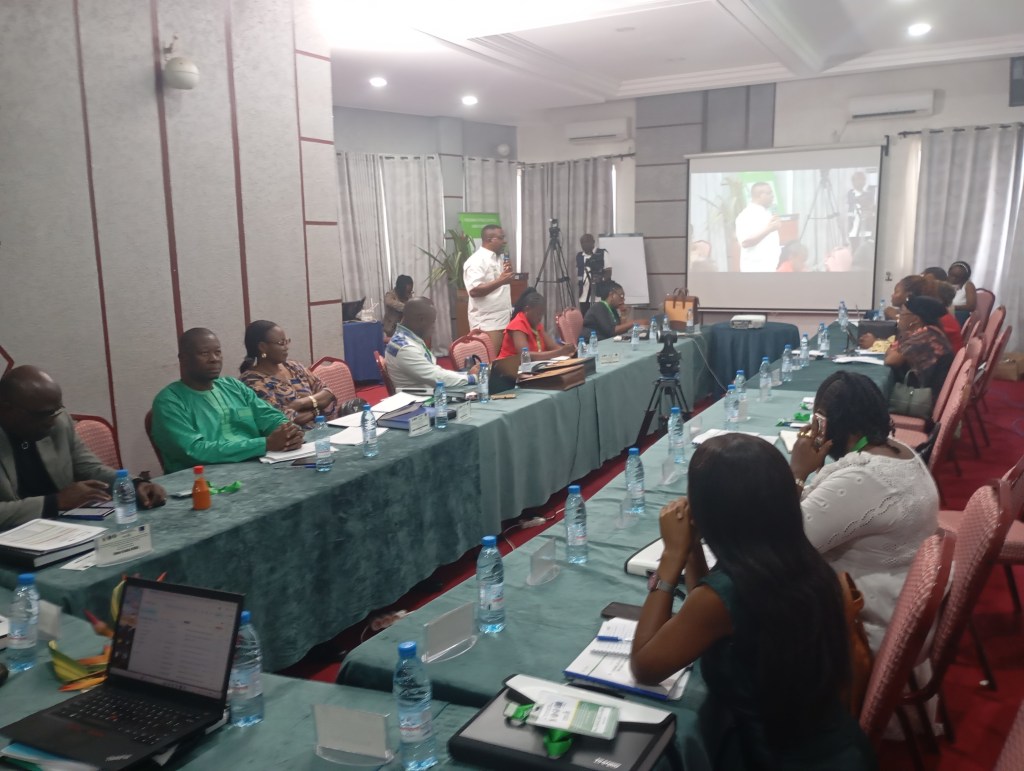
To overcome these difficulties, businesses were encouraged to anticipate foreign trade formalities, strengthen their technical knowledge and prepare export documentation well in advance. Such measures can help reduce delays, additional costs and risks associated with transporting goods across borders. The Council’s role in providing commercial, economic, legal and regulatory information was equally underscored, alongside its capacity-building initiatives aimed at improving the competitiveness of SMEs.For Dr Maximin Emagna, coordinator of PAIRIAC, the workshop also provided an opportunity to review a proposed private sector platform under the AfCFTA framework. The initiative is intended to identify the practical concerns of businesses, facilitate communication between enterprises and relevant institutions, and support efforts to resolve trade-related obstacles.Beyond the training sessions, participants are expected to develop market-entry plans and action programmes outlining concrete steps to be implemented within 30 days after the workshop.The initiative forms part of broader efforts to strengthen the capacity of Central African businesses to compete in an expanding African market. By improving access to trade information, enhancing compliance with export requirements and addressing barriers to cross-border commerce, the programme seeks to help SMEs move from understanding the AfCFTA framework to actively benefiting from its opportunities.


Leave a Reply