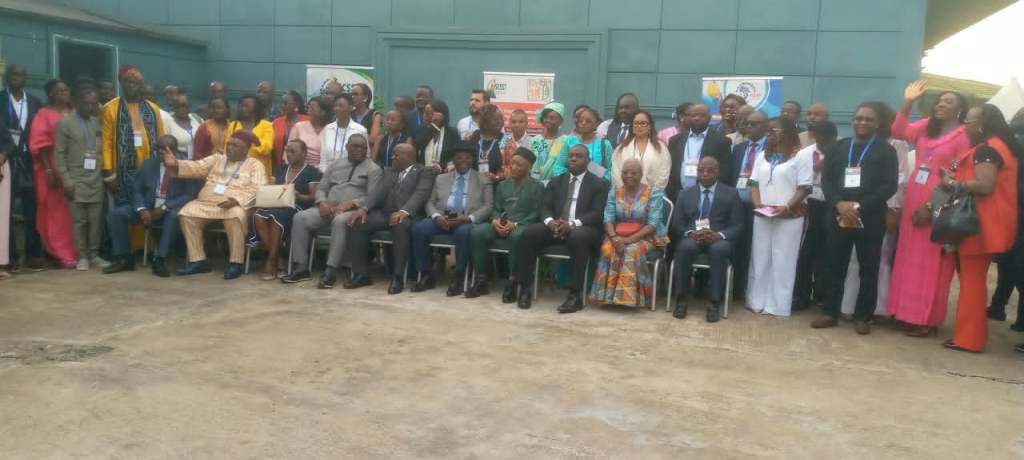
Cameroon took center stage in regional worker welfare as over 400 participants from 21 countries gathered in Douala for the 5th International Scientific Congress on Occupational Health and Safety (SCSST), held from October 13 to 15, 2026.
Organized by the Cameroon Society of Occupational Health and Safety, the congress tackled a pressing regional imperative under the theme:“Occupational Health and Safety Practices in Resource-Constrained Settings.”
The three-day event brought together occupational health specialists, policymakers, labor inspectors, researchers, trade unions, and major industrial leaders to address workplace hazards particularly within resource-limited environments and the vast informal economy.
A primary objective of the 5th SCSST Congress was closing the safety gap between formal corporations and informal workers. While multinational firms and large industrial operators often maintain structured medical services, millions of informal sector workers remain exposed without access to basic preventive care.
Throughout the conference, delegates explored practical, low-cost solutions to extend workplace protection nationwide, positioning occupational health and safety not merely as a legal right, but as a critical driver of economic productivity and social justice.
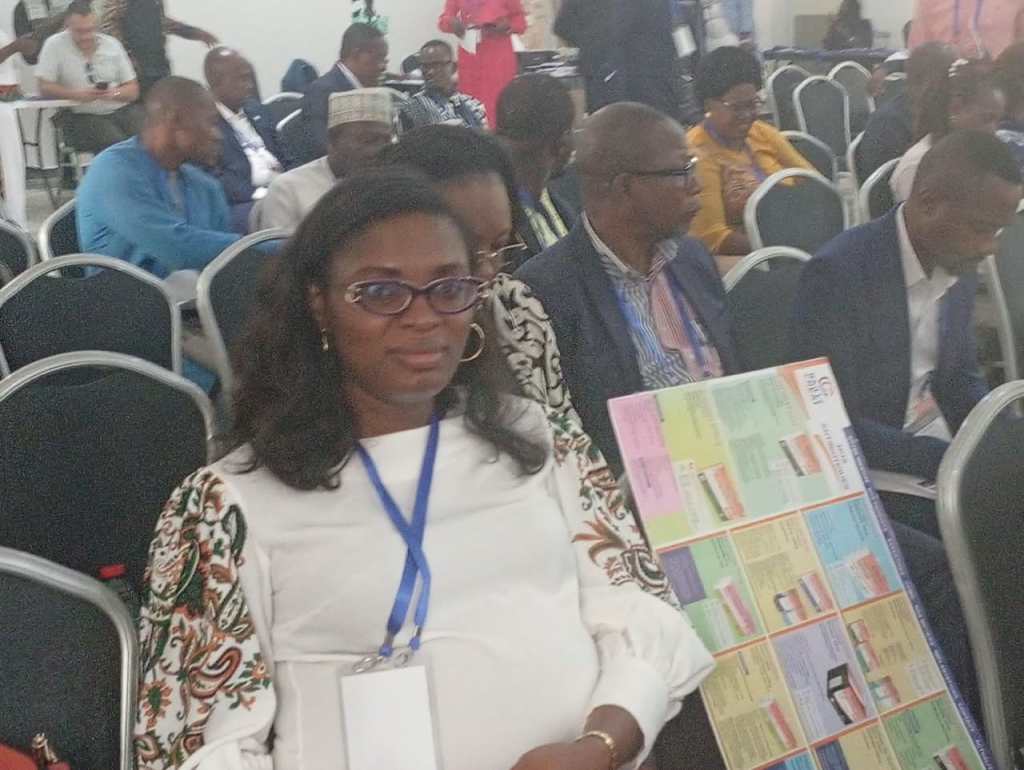
Among the prominent corporate participants contributing to the congress was Socapalm (Société Camerounaise de Palmeraies). Represented by Dr. Patricia Epopa, Head of the Mbongo Medical Center, the agribusiness giant shared insights into how large enterprises operate robust health and safety frameworks in complex operational environments.
Dr. Epopa, who has served as an occupational health specialist with Socapalm since 2021 and managed the Mbongo unit for the past two years, emphasized that worker well-being sits at the very core of the company’s corporate governance.“At SOCAPALM, occupational health and safety is a top priority driven directly by our General Directorate,” explained Dr. Epopa. “This commitment is formalized in our written Safety, Health, and Environment (SHE) policy. Executive leadership guarantees full support from providing proper Personal Protective Equipment (PPE) to delivering continuous training for every employee.”
Dr. Epopa highlighted the central role of internal Hygiene, Safety, and Working Conditions Committees (CHS) across all Socapalm operational units, describing them as vital forums for constructive dialogue among management, employees, and medical specialists. “Beyond routine medical check-ups, we conduct post-visit field inspections to identify real-world hazards directly at the workstation,” Dr. Epopa noted. “Our ultimate goal is zero workplace accidents. While strong mechanisms are already in place, continuous improvement is essential. This congress is an invaluable platform to share expertise and co-create solutions tailored to our African work environments.”
Looking ahead, Dr. Epopa outlined plans to translate insights from the congress into actionable field strategies, including upgraded data tracking for health trends, enhanced employee monitoring, and expanded safety training across all stakeholder levels.
Socapalm’s proactive approach is already evident on the ground. On August 19–20, 2026, in Dibombari, the company conducted a targeted chemical risk training session led by safety experts Brice Nanga and Dr. Carole Eyoum Njowe.
The hands-on workshop focused on critical control measures:
Correctly interpreting product labels and Safety Data Sheets.Strictly adhering to chemical handling, mixing, and storage protocols.Consistently wearing appropriate Personal Protective Equipment.Mastering fast-action containment and first-aid procedures for accidental exposure.
Regular initiatives like the Dibombari training demonstrate Socapalm’s ongoing commitment to equipping its workforce with practical, life-saving occupational health and safety techniques.


Leave a Reply