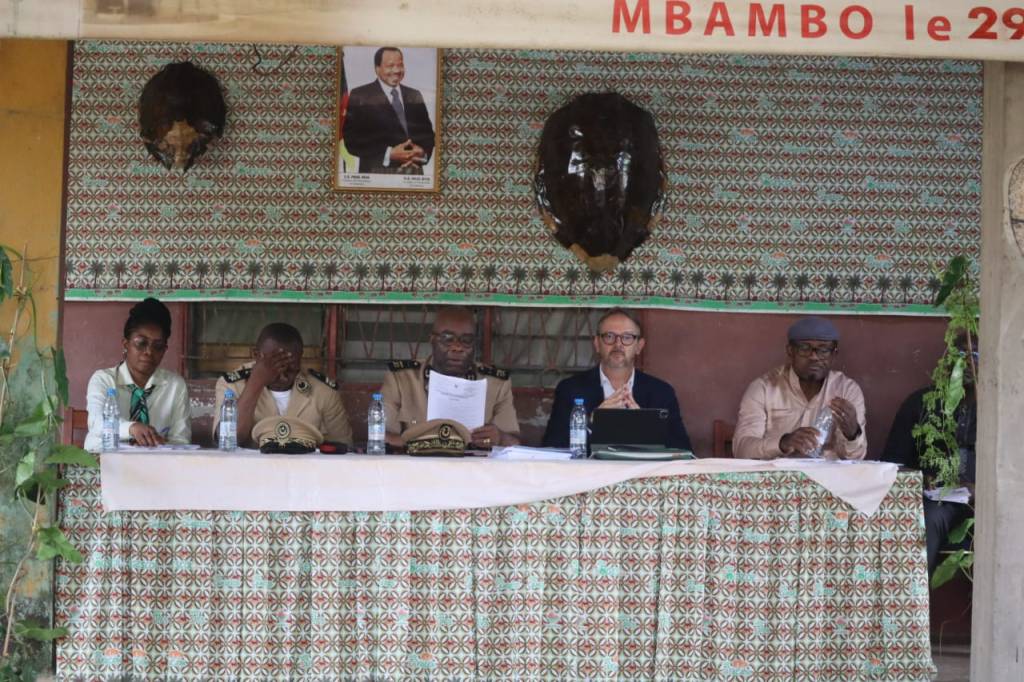
The recent series of community meetings organized by Socapalm management across host villages surrounding its plantations marks another step in an ongoing engagement strategy. Rather than isolated events, these gatherings reflect a consistent commitment to maintaining an open dialogue with local residents. Through these platforms, community members present their pressing needs regarding local development projects, while Socapalm works alongside them to facilitate execution and funding.
Recognizing that land use remains a primary source of friction in host communities, the central government—through the Ministry of State Property and Land Tenure, alongside local administrative officials such as Divisional Officers (DOs) and Senior Divisional Officers (SDOs)has stepped in to help clarify boundary and tenure issues.
Furthermore,territorial dialogue at Socapalm follows a structured mechanism ranging from village-level consultations to formal institutional settings:Bipartite meetings which is a direct engagements between Socapalm representatives and individual villages, allowing residents to address hyper-local concerns without external pressure. Tripartite meetings which is a Combined sessions bringing together Socapalm, community leaders, and government authorities to address complex structural issues—such as land boundaries that require state oversight.
This dual-platform model ensures that community monitoring remains continuous, transparent, and actionable.
Mr. Emmanuel Gang, Assistant Stakeholder Relations Officer (ACRPP) and lead of the outreach team across the host villages, emphasized the positive impact of these regular exchanges:”This series of bipartite consultations has been highly encouraging. By engaging directly with host communities, we continue to build and preserve mutual trust. Since establishing this exchange platform, local tensions have dropped significantly. Issues that once caused friction are now addressed until a shared understanding is reached. As an agro-industrial company occupying extensive land, operating alongside surrounding villages naturally raises questions regarding resource access. Many of these plantations were established over 50 years ago under different conditions. To address this, Socapalm requested the Ministry of State Property and Land Tenure to formally review and demarcate land boundaries. Under this ongoing process, Socapalm will retain only its actively developed operational areas, while uncultivated land within the original concession will be surrendered back to the State’s national domain. This will officially allow local communities legal access to these resources. The review process is near completion, and all parties are eagerly awaiting the final administrative outcome.”
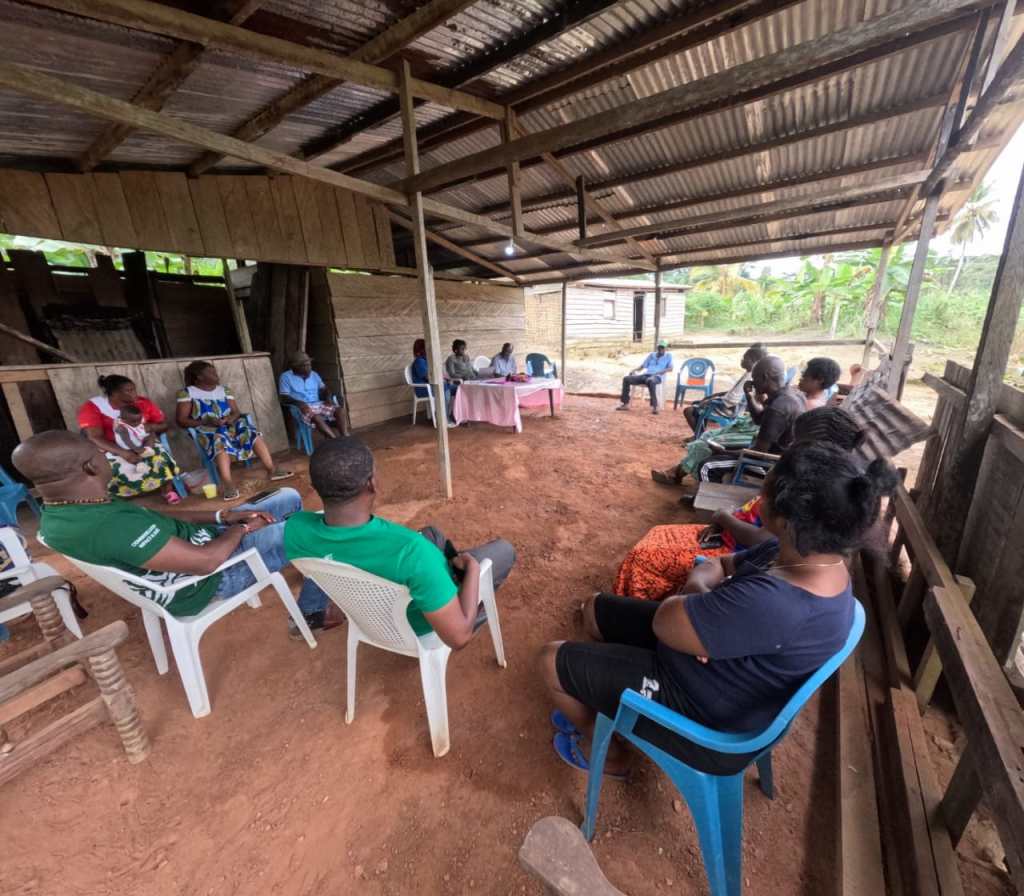
Beyond land discussions, the bipartite sessions focus heavily on community development and economic self-reliance. Socapalm allocates annual budgets to support local projects, backed by capacity-building initiatives to ensure these ventures remain financially sustainable over time.
“During the bipartite sessions, discussions center on local community projects and shared interests,” Gang explained. “Through our annual budget allocations, we also focus on capacity building for local project management committees so that these income-generating activities remain viable in the long run.”
To ensure genuine inclusivity, these village meetings engage all demographics including traditional leaders, men, women, youth, and local civil society organizations (CSOs). Each village meets with the team individually, providing a safe space for open, frank discussion.
However,to ensure community members can voice concerns at any time without waiting for formal town hall meetings Socapalm’s parent company, the Socfin Group, has deployed a modern digital grievance platform called Ulula.
Ornela Tchianko, Environmental Correspondent at Socapalm, explained how the technology simplifies complaint filing while protecting user anonymity: “Since March of last year, the Socfin Group introduced the Ulula platform to streamline complaint management across all group companies. It replaces the old paper-based system with a fully digital, multi-channel solution accessible via phone call, WhatsApp, or QR code.
By pairing structured face-to-face dialogue with accessible digital tools, Socapalm and the Socfin Group continue to strengthen their partnership with host communities—fostering peaceful coexistence, socio-economic development, and mutual growth.


Leave a comment