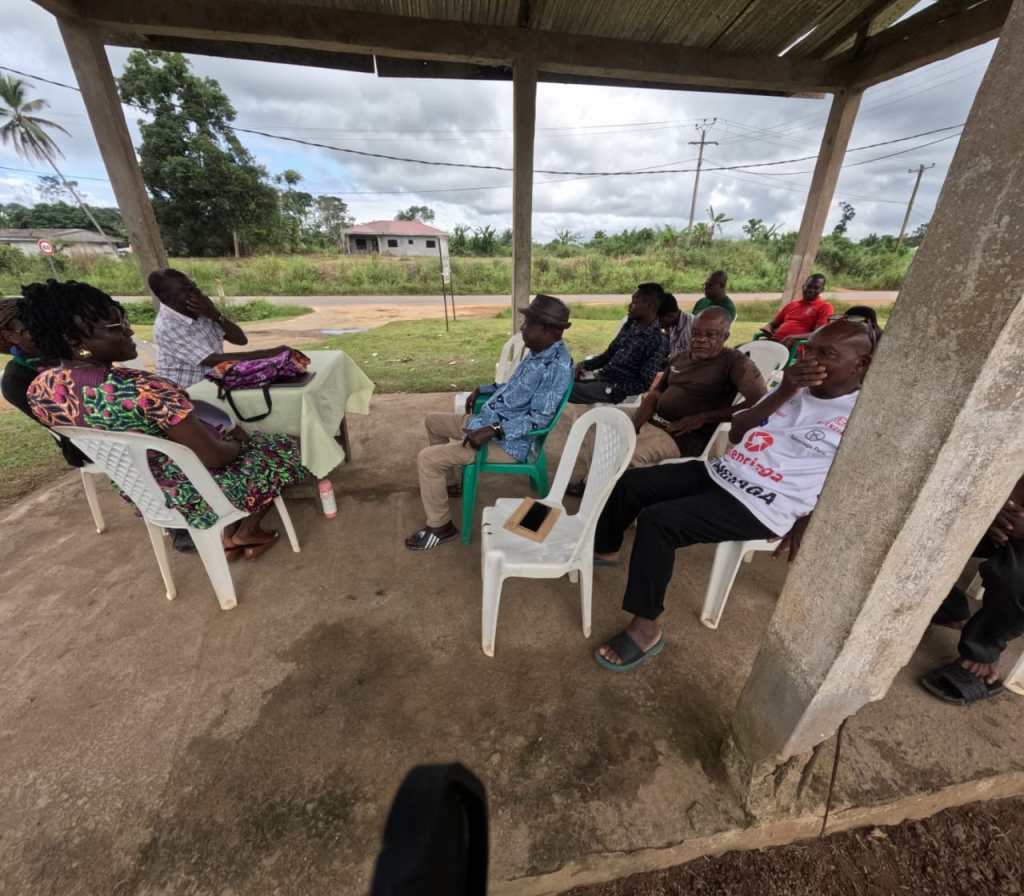
From September 21 to 25, 2026, Socapalm rolled out the first phase of its annual bipartite meeting campaign across 15 villages neighboring the Kienké plantation.The caravan visited Mabenanga, Bvungangom, Ribvuni, Nlozok, Bidou III, Nkolembonda, Angale, Andjeck, Nko’Olong, Bilolo, Bikondo, Dombé, Lendi, Bidou II, and Pongo Aviation.While the broader outreach program encompasses 19 neighboring communities with four additional meetings scheduled for early October in Mbvumbélé, Mbeka’a, Bume, and Mpangou—this grassroots campaign shifts dialogue out of formal corporate boardrooms and directly into the field. By offering each community a dedicated platform to speak out, the campaign ensures discussions remain grounded in local realities.In communities such as Ribvuni and Nlozok, discussions were preceded by survey questionnaires designed to gather local residents’ perspectives on Socapalm’s activities and their impact on community rights. Rather than simply reacting to corporate presentations, residents actively evaluated the partnership.In Nlozok, the primary goal was to foster open communication, allowing community members to voice their concerns directly and establish a collaborative baseline for bilateral talks.Over five intensive days of dialogue, several critical topics dominated the agenda: Land issues remain a central and sensitive topic. Discussions covered the current progress of land surveying and boundary mapping a subject that had taken center stage just days earlier during the 27th Kienké Tripartite Platform meeting on September 15. In Angale, when the village chief noted that survey teams had not yet placed boundary markers in certain areas, Socapalm representatives clarified that current demarcation operations strictly cover active plantation lands, excluding unplanted territory. This exchange underscored the ongoing need to ensure communities clearly understand operational boundaries.In Nlozok, local youth voiced strong demands for job security, questioning the heavy reliance on temporary 6-to-8-month contracts. They advocated for direct, permanent employment opportunities offering career growth rather than short-term seasonal work a recurring theme across Socapalm’s regional outreach.Modernizing Grievance Resolution: To streamline conflict resolution, Ornela Tchianko presented Ulula, a digital grievance-handling platform accessible via phone calls, WhatsApp, and QR codes. Designed to replace cumbersome paper-based processes, Ulula offers:Frictionless digital submission without administrative delays,Full privacy protection across all reporting channels and Direct integration into a formal digital framework for receipt, processing, and prompt feedback. Environmental discussions expanded beyond direct plantation operations to include third-party service providers, particularly regarding recycling and waste management.
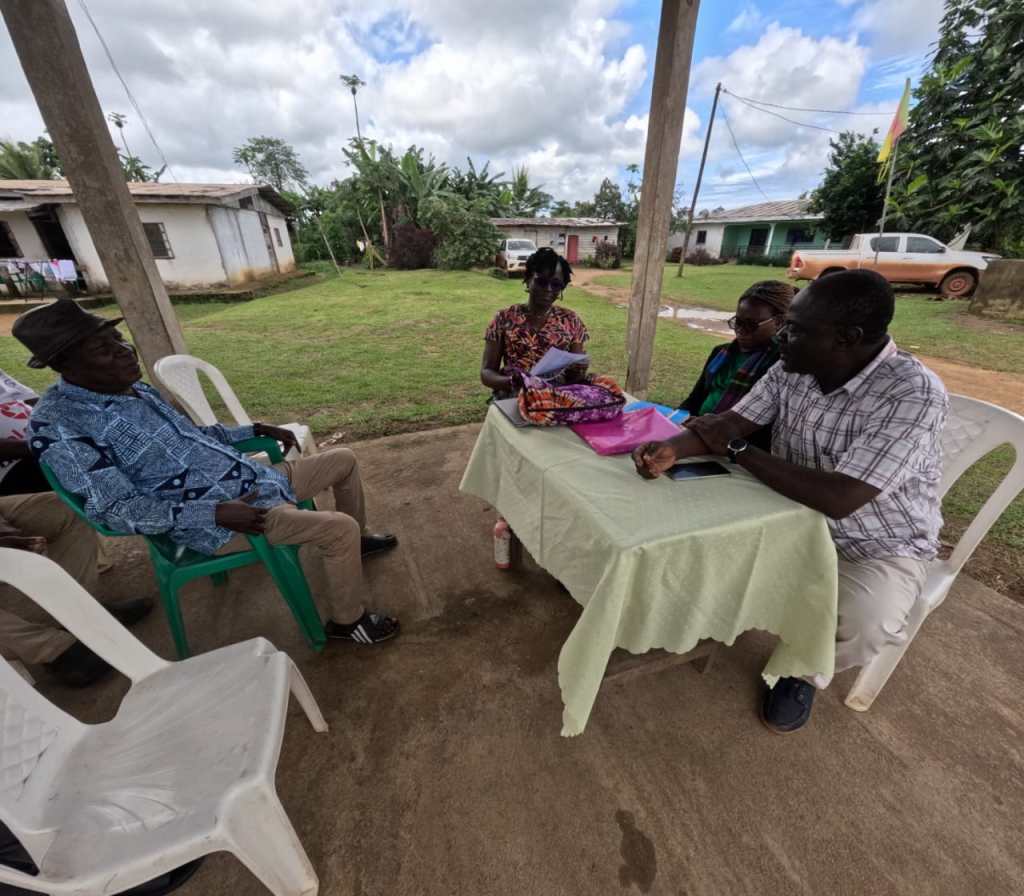
Communities called for broader operational oversight to ensure accountability across Socapalm’s entire supply chain.Despite ongoing challenges, local leaders acknowledged clear, tangible benefits arising from the partnership:In Angale, local leaders commended Socapalm for providing land-clearing equipment. Tasks that previously required nearly two weeks of manual labor were completed in hours, clearing key public spaces, including the village football field and local school grounds.Bikom Benjamin, Regent of Nlozok, noted improvements in daily living conditions, citing corporate material support during community events and funerals. Provision of seating and supplies eliminated the hazards residents previously faced while harvesting wild bamboo for temporary structures. In Angale, the status of 2026 social projects was reviewed. The community’s formal request, having returned from the DO, is now under review by Plantation Management. The bipartite structure enables villagers to track their requests transparently through every administrative milestone.Ultimately, the Kienké campaign demonstrates a practical shift toward actionable dialogue. The structured sequence listen, discuss, explain, address, report, and follow up transforms community engagement from a routine formality into a vital operational tool, building trust step-by-step through mutual accountability and visible progress.


Leave a comment