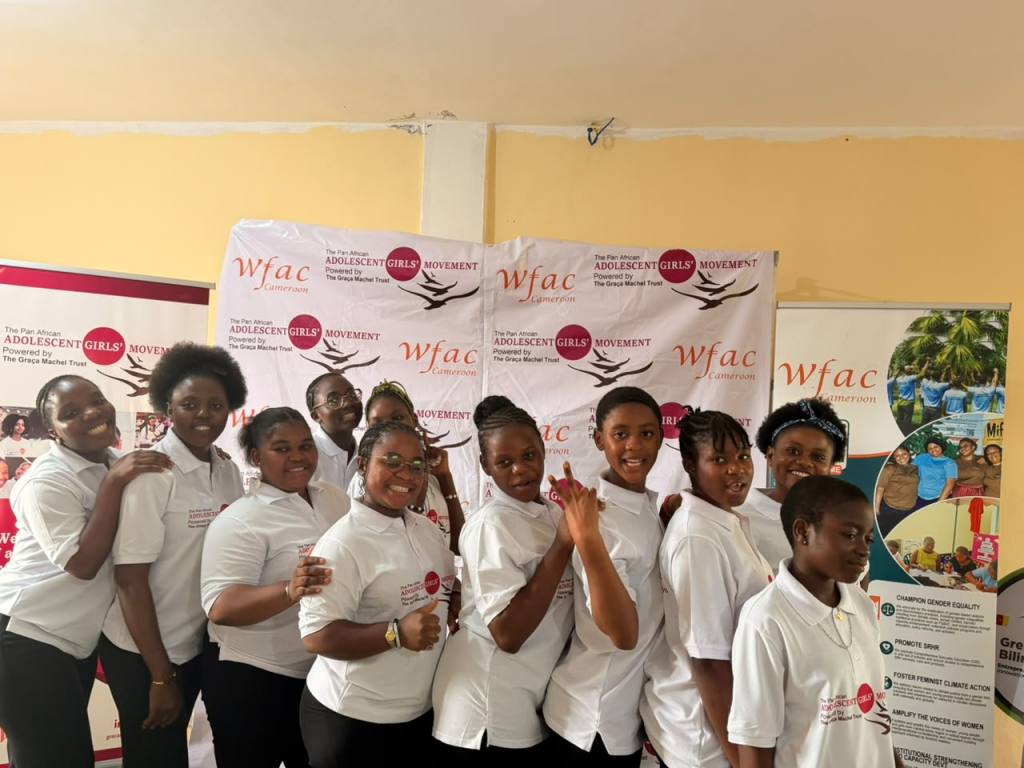
A continent-wide initiative aimed at empowering adolescent girls with the knowledge, skills, and confidence to take control of their lives has officially arrived in Cameroon.The Pan-African Adolescent Girls Movement, sponsored by the Graça Machel Trust, is being rolled out in Cameroon for the first time through Women for a Change Cameroon. Launched on Friday, September 10, 2026, the programme kicked off in Yaoundé, marking a major step for girls’ empowerment efforts in Central Africa. Girls at the centre of the programmeAccording to Dalrée de Lange Senior Programme Officer for the Adolescent Girls’ Movement at the Graça Machel Trust in South Africa, the initiative is rooted in a key belief: girls themselves should lead decisions about their own lives.De Lange explained that the programme “came from the adolescent girls themselves,” noting that young participants asked for something made specifically for them. She said girls were actively involved in shaping the design and focus areas of the movement, and are expected to play a leading role in implementation.The movement targets adolescent girls aged 10 to 19 as well as young women aged 20 to 26. For the Graça Machel Trust, investing in adolescent girls is seen as a long-term strategy to build a “pipeline” of strong African women who can influence change both in their communities and beyond.
Cameroon becomes the 15th country
The announcement also comes as the movement expands across the continent. The initiative has already established “nests” in 14 African countries, with Cameroon becoming the 15thDe Lange said Cameroon’s inclusion is particularly significant due to the challenges facing girls in conflict-affected areas, and highlighted that the expansion strengthens the movement’s presence in Central Africa. By the end of 2026, organisers expect the movement to be active in 16 African countries.
Comprehensive support: health, safety, leadership and advocacy
The Cameroon rollout includes training and guidance on a wide range of issues affecting girls’ lives, including: Sexual and reproductive health and rights. Gender-based violence, HIV and AIDS, Teenage pregnancy, Early marriage, Menstrual hygiene.The programme also introduces girls to practical areas such as basic entrepreneurship and broader topics including leadership, education, climate change, food security, conflict resolution, policy change, and advocacy.The programme is designed not only to transfer knowledge, but to help girls build confidence so they can make informed decisions and respond to challenges affecting them and their communities. Pilot phase aims to reach over 1,000 girls by December 2026In Cameroon, the pilot phase is expected to reach more than 1,000 girls by December 2026.Zonziwoh Mbondgulo, CEO of Women for a Change Cameroon ,the implementing partner said girls will be selected through a combination of nominations, recommendations, random selection, and strategic targeting of schools and communities.After the Yaoundé launch, the programme is set to extend to additional locations, including Tiko, Buea, and Bamenda. Importantly, the initiative will not be limited to girls who are in school. Particular attention will be given to underserved and remote communities, where girls may have less access to information, education, and empowerment opportunities.
“Girls training girls” through an adolescent-led approach
One of the initiative’s defining features is its adolescent-led model. Instead of relying only on adult trainers, the movement is designed to develop girls as facilitators and trainers. Eleven girls have already been identified for training. These girls will then train additional facilitators who will deliver the programme in schools and communities.As Zonziwoh put it, the programme is “designed with adolescent girls, for adolescent girls and co-implemented with adolescent girls.
Long-term ambition: reaching one million girls by 2030
Women for a Change Cameroon says its long-term goal is to reach one million girls in Cameroon by 2030.To achieve this, the organisation plans to work with community focal persons and partners already present in remote areas. Communities will be assessed based on factors including whether there are adolescent girls in the area (in or out of school), community readiness to embrace the programme, and availability of local partners to support implementation.The strategy is also intended to ensure that girls living in communities with limited electricity, infrastructure, and accessibility are not left out.
A network of mentors and institutional partners
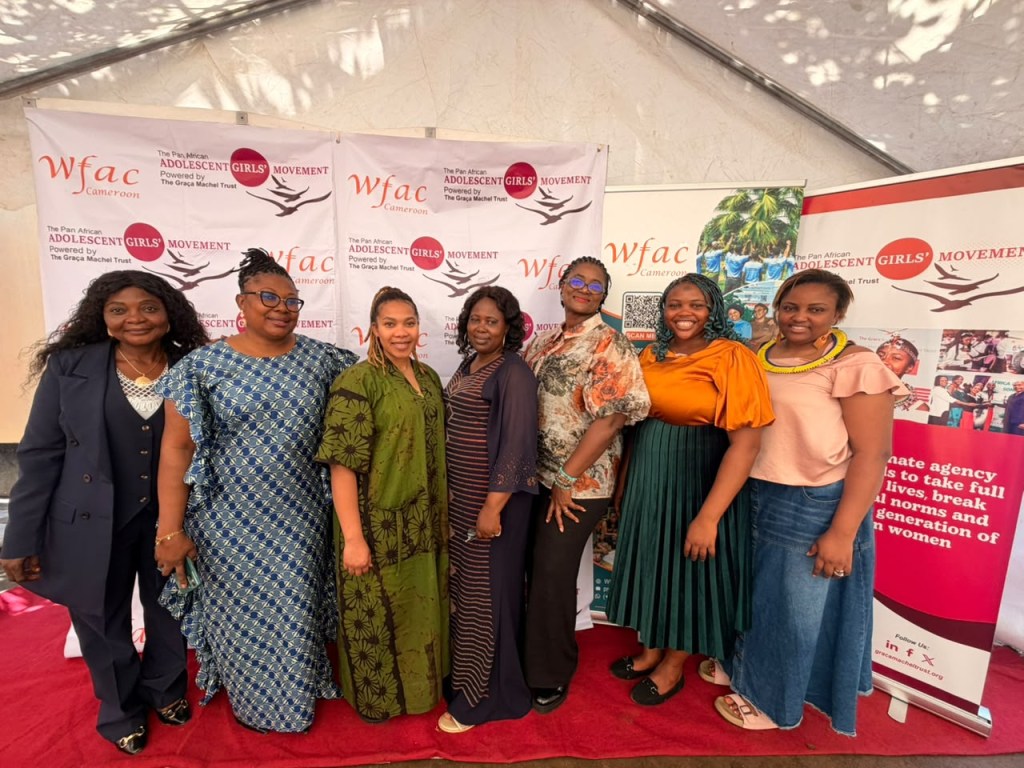
Implementation is supported through mentors from multiple professional backgrounds, including media, legal, medical, and education sectors. Women for a Change Cameroon is also working with institutional partners such as MINPROFF (Ministry of Women’s Empowerment and the Family) and the Cameroon Human Rights Commission.
 Visionary Reports
Leave a comment