AfricAvenir International Foundation commemorates Cameroonian freedom fighters, calls for preservation of historical memory
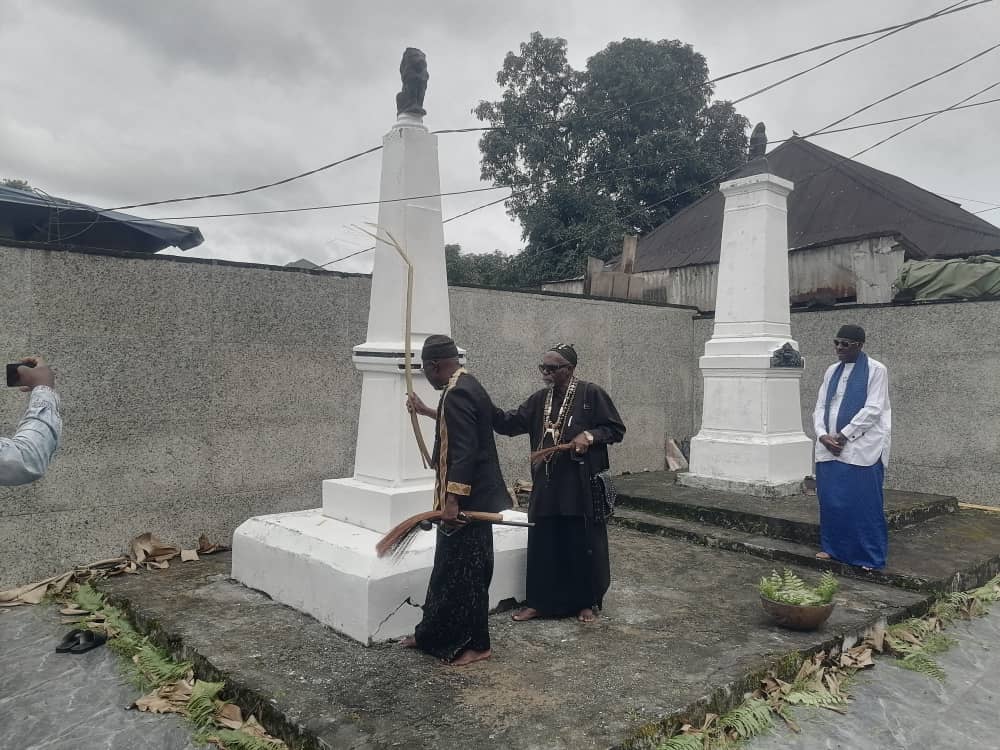
AfricAvenir International Foundation has renewed its call for the preservation of Cameroon’s historical memory, with a two-day commemoration in Douala dedicated to Cameroonians who resisted colonial rule between 1884 and 1916.
Led by Prof. Prince Kum’a Ndoumbe III, the annual gathering featured traditional libation ceremonies at the gravesites of departed resistance fighters, as well as a high-level roundtable conference bringing together academics, civil society leaders and cultural personalities. The Governor of the Littoral Region, Samuel Dieudonné Ivaha Diboua, was among the personalities present.
Delivering a keynote address from Addis Ababa, Director of the Citizens and Diaspora Directorate (CIDO) at the African Union Commission, Ambassador Amr Aljowaily, commended AfricAvenir for its grassroots efforts to preserve historical memory and promote restorative justice.
“By remembering slavery, colonisation, and apartheid, and by demanding restitution, you are recalling an essential truth: memory is not simply looking back at the past; it is the very foundation of justice. There is no reparation without truth, nor truth without memory,” he said.
The ambassador highlighted recent continental and international developments, notably the African Union’s declaration of the 2026–2035 Decade of Justice through Reparations and United Nations Resolution 80/250, which recognises the enslavement and racialised subjugation of Africans as a crime against humanity.
He further underlined the relevance of AfricAvenir’s initiatives to continental frameworks such as the Common African Position on the Restitution of Heritage Resources and the Algiers Declaration on the Crimes of Colonialism. These instruments advocate for the return of African cultural property, archives and human remains.
For Prof. Kum’a Ndoumbe III, remembering the pioneers of Cameroon’s resistance is not simply an exercise in honouring the past, but a foundation for building the future.
“For over 15 years, we have gathered annually to commemorate the start of Cameroonian resistance,” he explained. He recalled that on August 28, 1884, Lock Priso Bell rejected German colonisation, including the gifts offered to him, an act which, according to him, marked the beginning of armed confrontation between Cameroonians and German forces and ushered in a wider wave of resistance that continued until the First World War.
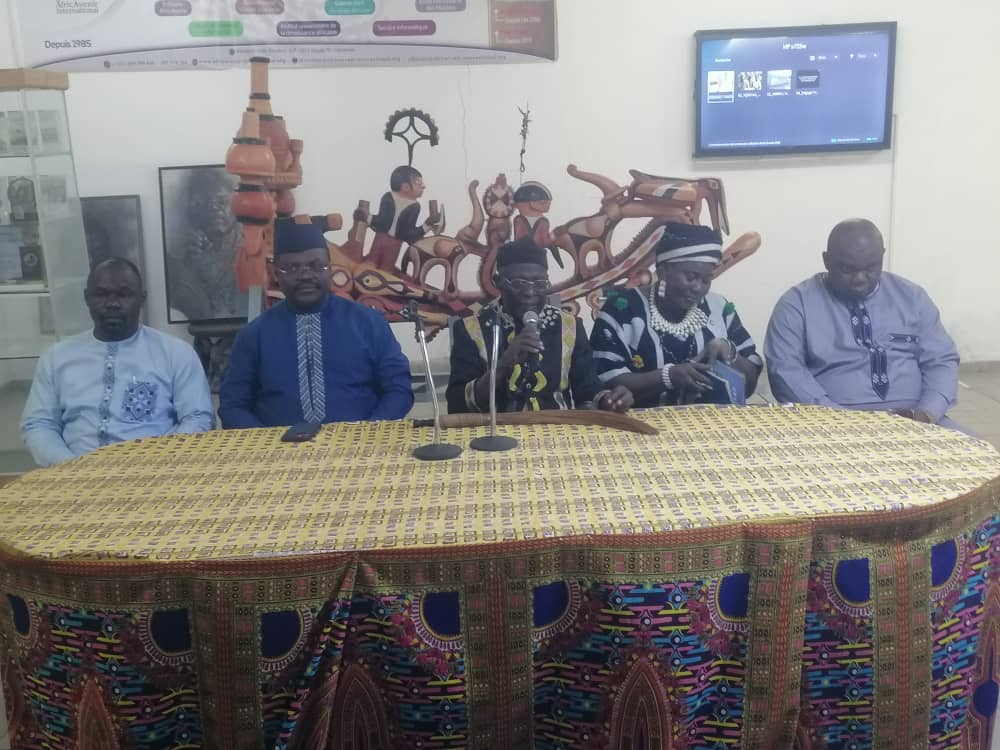
The academic also expressed concern over what he described as historical amnesia and the continued dominance of foreign perspectives in Cameroon’s educational system. He argued that school curricula, from primary education to university, should give greater prominence to African history, heritage and indigenous knowledge.
He equally pointed to the decline in the use of indigenous languages among young Cameroonians, which he attributed partly to decades of cultural alienation. In his view, education should equip young Africans not only to seek opportunities abroad, but also to develop solutions to challenges confronting their own communities.
“By 2100, Africa will account for over 4 billion people, yet wealth and population mean little if you do not know who you are,” Prof. Kum’a Ndoumbe said. “If you do not understand your history , its victories and its failures , your country cannot move forward.”
The Douala commemoration thus provided an opportunity to reconnect present generations with the struggles of those who stood against colonial domination. It also underscored the growing continental debate on reparations, restitution and historical justice.
As Africa embarks on the 2026–2035 Decade of Justice through Reparations, the AfricAvenir maintained that confronting the past remains essential to building a self-reliant, dignified and confident continent.
 Visionary Reports
Leave a comment