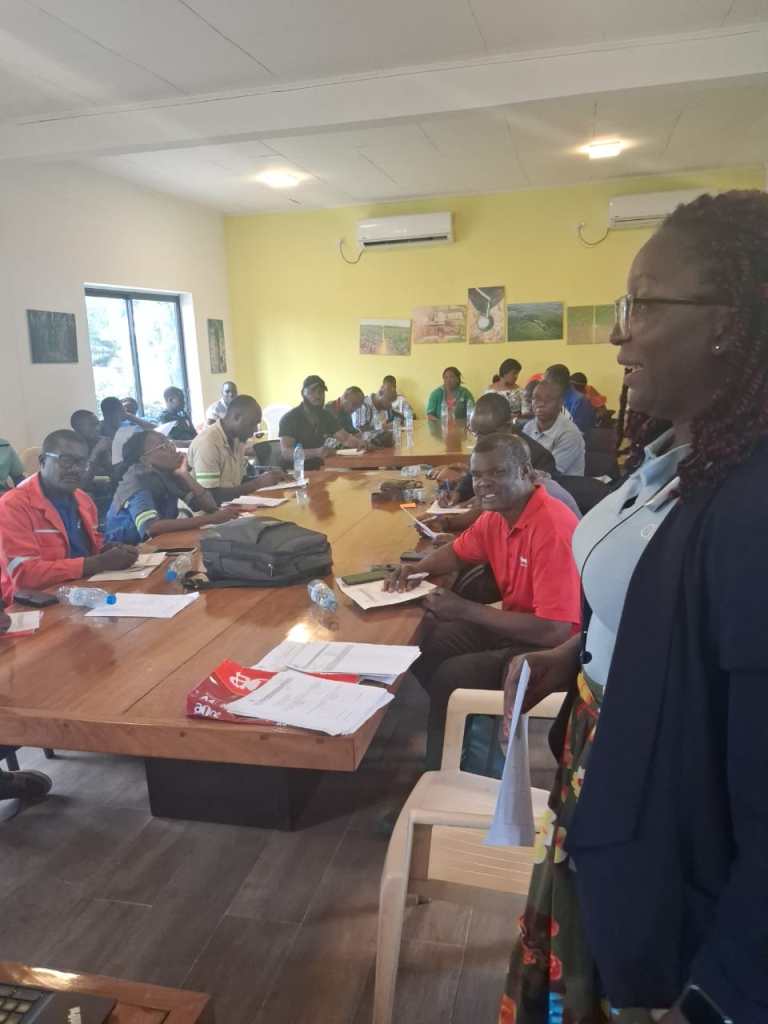
At SOCAPALM’s Dibombari plantation, workplace safety is an active daily practice. On August 19–20, 2026, the estate hosted a targeted training session on chemical risk management led by Mr. Brice Nanga alongside Chief Medical Officer Dr. Eyoum. Organized for site managers and operational teams, the two-day intensive program focused on identifying workplace hazards, promoting responsible chemical handling, and reinforcing vital preventative behaviors.
The interactive sessions covered the health risks associated with hazardous substances, proper usage techniques, and necessary emergency procedures. Dr. Eyoum detailed the long-term biological effects of direct exposure, highlighting the essential role personal protective equipment (PPE) plays in safeguarding health. “The main objective was to equip personnel with concrete skills, remind them of the risks associated with handling dangerous products, and review prevention measures,” explained the training leadership. “Dr. Eyoum’s medical perspective grounded the risks, showing the real health impacts and why strict adherence to guidelines matters.”Nevertheless, the program targeted all personnel directly or indirectly exposed to chemical substances across the estate’s operations:
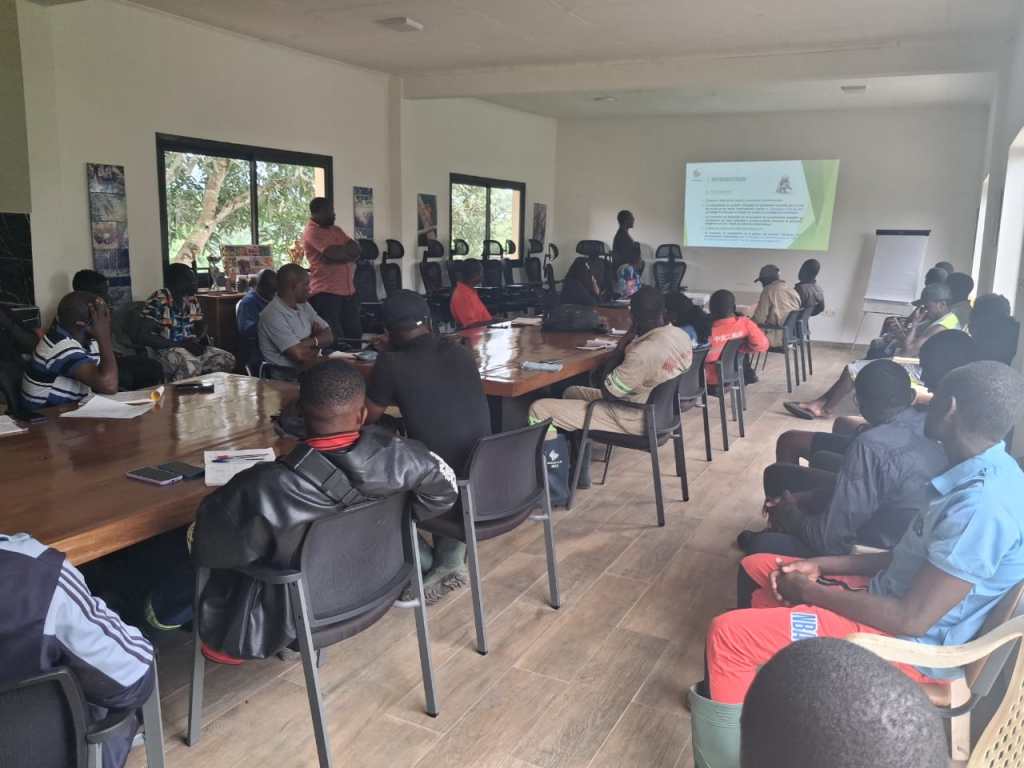
Field & Maintenance Teams: Herbicide handlers, plant cleaners, surface technicians, and painters and Logistics & Management: Warehouse workers, team leaders, nursery managers, and specialized assistants (AP/APP).Conducted under the annual awareness and training program signed by the Director General, this formal instruction takes place once a year. To maintain continuous vigilance, the estate complements the annual course with weekly Health, Safety, and Environment (HSE) briefings focusing on hydrocarbon management and chemical safety reflexes. Participants expressed strong appreciation for management’s commitment to continuous learning. By turning safety protocols into habitual daily routines, SOCAPALM continues to build a secure, health-conscious, and productive work environment for all employees.


Leave a Reply