Interview
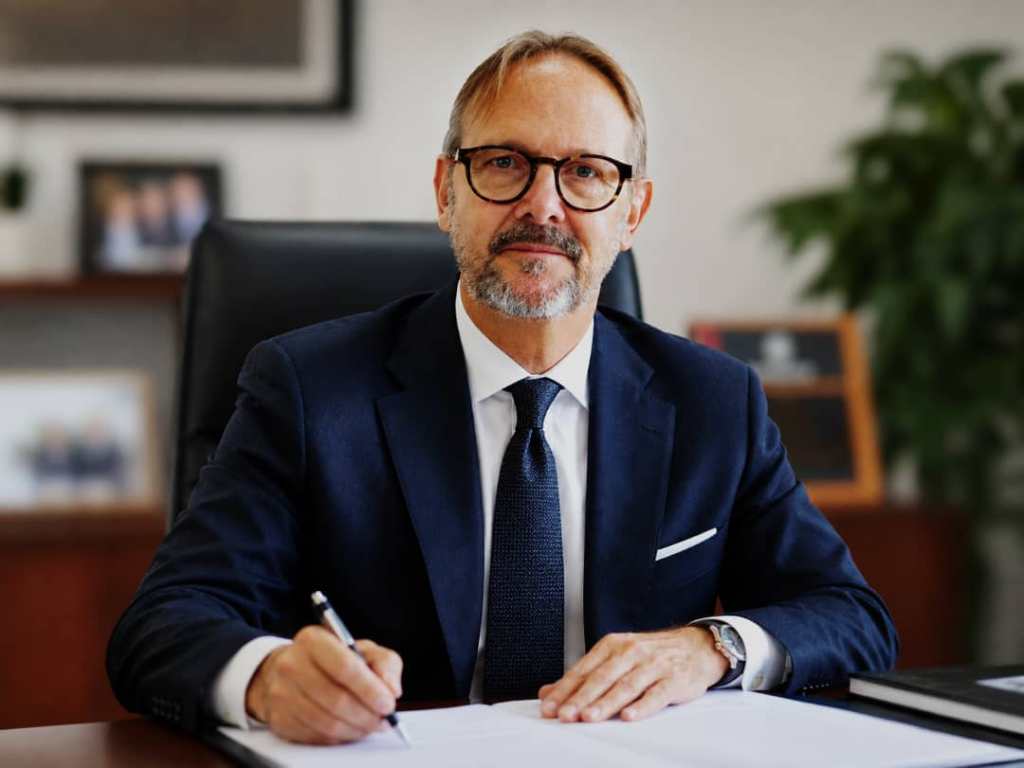
Mr. Managing Director, after visiting the various SOCAPALM plantations, what conclusions do you draw from this tour, and what key lessons have you learned?
This tour confirmed a strong conviction: SOCAPALM ’s greatest asset is its people. Beyond infrastructure and technical performance, I listened, engaged, and shared a common vision with those who create the value of our company every day. I discovered committed, highly competent teams deeply attached to SOCAPALM. I also observed that our potential for improvement lies less in our raw materials than in our collective ability to better anticipate, coordinate, and execute. The main lesson is simple: when the vision is shared, responsibilities are clearly defined, and everyone understands the why behind their actions, performance becomes a natural consequence. SOCAPALM 2.0 is not a communication campaign. It is a new management philosophy rooted in proximity, accountability, and decisive action.
You emphasized the ambitious goal of reaching an average yield of 4 tons per hectare by 2028. What are the main levers for achieving this?
Our ambition is demanding, but completely realistic. Reaching 4 tons per hectare does not rely on an agronomic miracle it relies on operational excellence. We are acting simultaneously on several core levers: Increasing discipline in farming practices, maintaining strict control of losses at every stage of the production chain, and ensuring rigorous plantation maintenance. Enhancing operational planning, right-sizing our teams, stabilizing the workforce, and optimizing workforce placement (the right person in the right place). Accelerating process digitalization, leveraging smart data analysis, and building a culture of continuous improvement. Our goal isn’t simply to produce more it is to produce better, sustainably, and responsibly.
Your discussions brought together operations managers, field teams, and employee representatives. What key messages did employees share with you?
I met employees who are deeply committed to SOCAPALM. Above all, they expect clarity, consistency, recognition, and accessible management. They want the proper resources to succeed in their missions, and in return, they are fully prepared to take ownership of their responsibilities.
The dialogue was frank, constructive, and demanding. These field discussions will directly inform our executive decisions moving forward. We want to ensure headquarters decisions are grounded in field realities. This is the essence of SOCAPALM 2.0: two-way communication where every employee actively contributes to our collective performance.
You called on the teams to “manage rather than endure.” How will this shift in mindset sustainably transform SOCAPALM ‘s performance?
This phrase sums up our entire strategic approach. A high-performing company does not sit back and wait for problems to arise it anticipates them. Moving from a passive to an active posture means: Taking full ownership of results within your operational scope. Demonstrating personal initiative and operational rigour. Anticipating risks proactively rather than reacting to crises. This evolution is fundamentally cultural. When you change the culture, you change the results. When teams adopt proactive habits, performance follows naturally. This behavioural transformation is what will elevate SOCAPALM to the next level.
Beyond production targets, how does SOCAPALM 2.0 redefine overall management and governance?
SOCAPALM 2.0 represents a profound evolution in leadership style. We are shifting from a strict control-oriented model to a shared leadership. Our governance is becoming agile, results-oriented, and centered on active listening. We want our managers to act as facilitators of performance. By breaking down silos, fostering cross-functional collaboration, and ensuring everyone understands how their role contributes to the bigger picture, we unlock the collective intelligence that will set us apart.
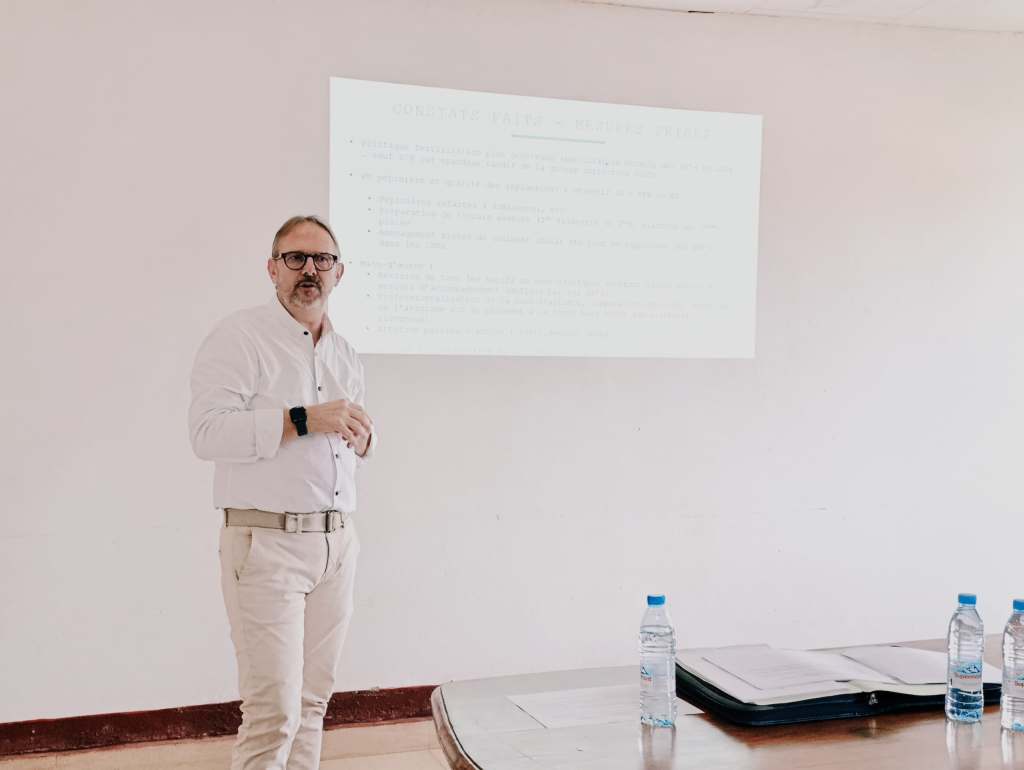
Now that the tour has concluded, what are the immediate priorities for Senior Management?
The tour is over; the real work begins now. Our immediate priority is driving the concrete execution of the commitments made in the field. Every plantation now has clear objectives, a defined roadmap, and specific performance indicators. Senior Management will closely support and monitor this implementation. Simultaneously, we will accelerate our commitments to: Safety and skills development Continuous improvement and innovation. Constructive social dialogue and sustainability. Our ambition is clear: to make every plantation a benchmark model of operational performance and responsibility
What final message would you like to share with all SOCAPALM employees?
First and foremost, thank you for your dedication, professionalism, and trust. The success of SOCAPALM 2.0 will never rest on the CEO alone. It depends on our collective ability to move forward together in the same direction, with the same mindset, on the exact same front line. We have a bold vision, exceptional skills, and world-class resources. Most importantly, we have a fantastic team. Now, let’s transform this ambition into measurable results. Every action counts. Every idea counts. Every employee counts. Let’s manage rather than endure, anticipate rather than react, act rather than wait, and succeed together. SOCAPALM 2.0 is not just a destination it is how we build the SOCAPALM of tomorrow, starting today.
Interviewed by Henry Wana


Leave a comment