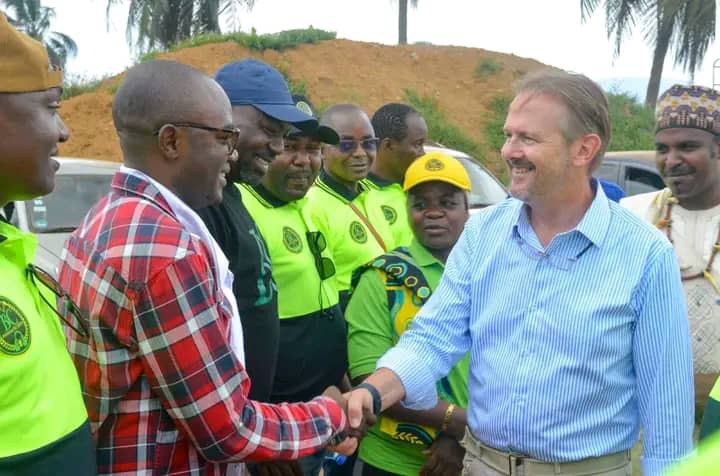
For several days, a single journey connected Mbambou, Mbongo, Edea, Kienké, and Dibombari. But behind this foray into the heart of the plantations lies a far broader ambition: driving Socapalm’s transformation directly from the ground up. Through this extensive tour, the Chief Executive Officer Frédéric Augé did not simply inspect operations, he equally established a new blueprint for performance through socapalm 2:0.
At each stop, the setting was consistent, yet the dynamic was distinct. Plantation managers, department heads, site supervisors, foremen, line managers, and employee representatives gathered for open dialogue. Here, executive strategy stepped out of boardroom slides to be tested against operational realities. Ideas were challenged, expectations expressed, and actionable targets defined.
Launched on July 21st in Mbambou, this series of meetings laid the groundwork for Socapalm 2.0 a dynamic initiative designed to place individual accountability, seamless teamwork, and local leadership at the core of the business.
The roadmap is ambitious yet explicit:The Yield Target:
Achieve an average yield of 4 tons per hectare by 2028.
The Process Target: Systematically reduce production losses and eliminate operational inefficiencies.The Cultural Target: Shift from a purely technical mindset to a total transformation of daily practices.
Meanwhile,as the tour progressed, each plantation brought a distinct layer to the broader corporate vision:
Mbongo (Alignment & Culture):The Managing Director called for total alignment around a shared vision. Performance is no longer viewed as the sum of isolated individual efforts, but as a collective project requiring harmonized methods and a common results-driven culture.Edea (People & Competitiveness):The discussions expanded to long-term competitiveness. Equipment and financial investments are only as effective as the people behind them; success hinges on the ability of teams to share responsibility and foster continuous improvement.Kienké (Proactive Leadership): Strategic vision translated into behavioral standards: anticipate rather than react, manage rather than passively adapt, and turn every initiative into a lever for progress.Dibombari The final stop anchored the connection between strategy and field reality, confirming General Management’s commitment to actively supporting employees through this operational transition.
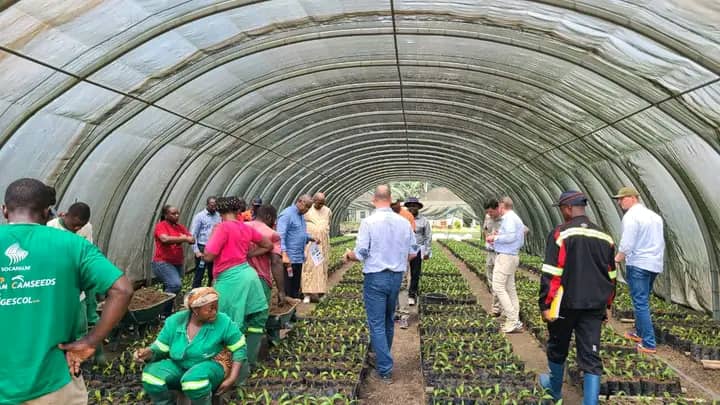
By completing this circuit across all main production sites, Chief Executive Officer Frédéric Augé turned a standard executive inspection into a strategic management engine.
“The tour did not merely present a strategy; it brought senior management closer to ground realities, fostered genuine listening, and aligned operational priorities across every acre.”
Three core takeaways emerged from the journey
A Unified Vision: Ensuring all plantations operate with identical strategic clarity.Direct Management: Utilizing open, ground-level dialogue to build trust, cohesion, and true ownership of company goals.Sustainable Performance: Combining higher crop yields and loss prevention with employee empowerment and standardized workflows.
From the field to executive strategy, a common thread now runs through Socapalm:making on-the-ground presence a primary tool of governance. Socapalm 2.0 is no longer just a project—it is a collective movement toward sustainable operational excellence.


Leave a comment