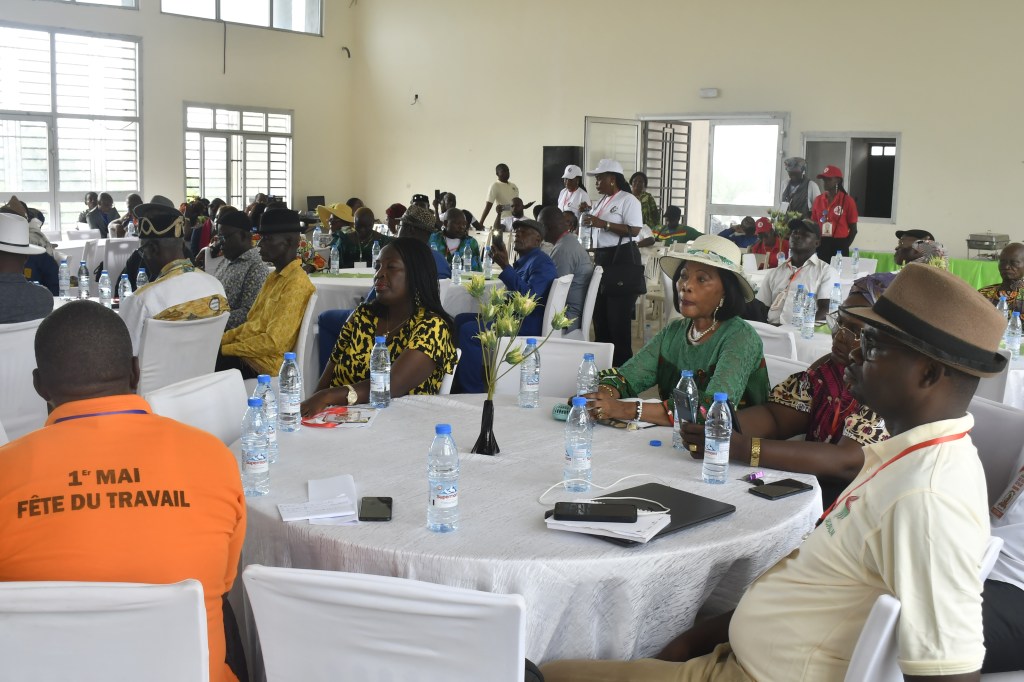
The third edition of the International Palm Nuts Festival, popularly known as “Ngand Biton,” has officially been launched in the city of Edea. Inaugurated by the City Mayor, Dr. Nlend Emmanuel Albert, the three-day event serves as a premier platform for agricultural exchange, cultural pride, and economic development in the region.This year’s festival is running under the theme:”Sustainable Oil Palm: From Palm Nut to Self-Sufficiency and Youth Integration.”In his keynote address, Mayor Dr. Nlend Emmanuel Albert emphasized that the oil palm is not just an agricultural crop, but an ancestral treasure that has sustained generations and structured the socio-economic fabric of the Sanaga-Maritime Division.
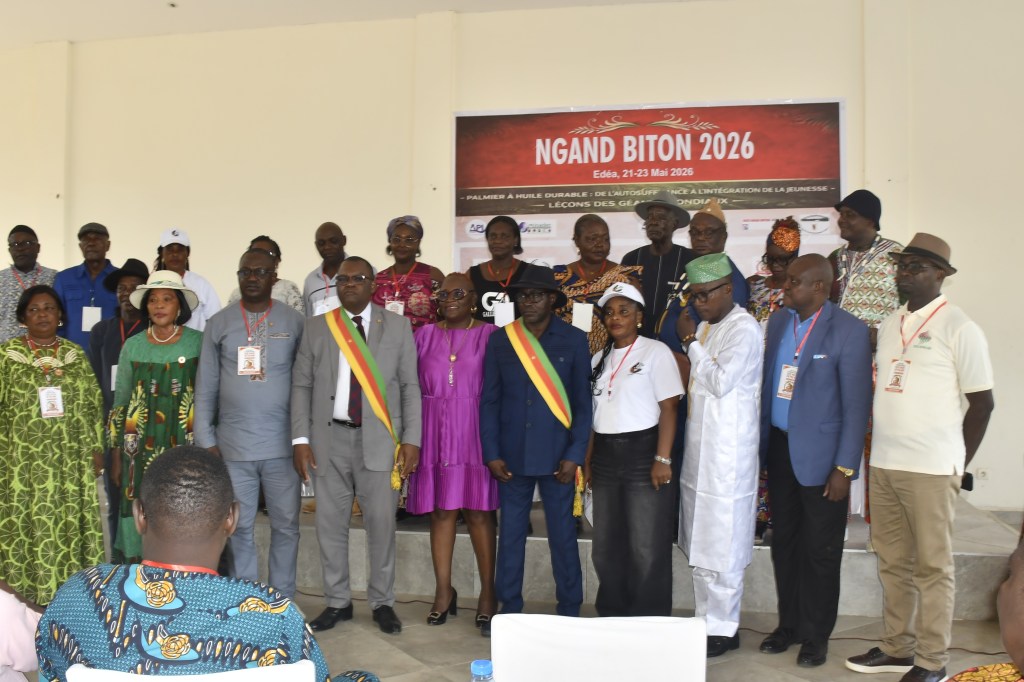
The Mayor stressed that developing the oil palm sector through a structured, ambitious approach is key to fighting local youth unemployment. “Each plantation managed, each processing unit established, and each commercial distribution circuit organized represents a job created and a viable future offered to a son or daughter of our locality,” Dr. Nlend stated.The Mayor highlighted the multi-dimensional impact of the sector across three main pillars:It generates direct financial resources for small and large-scale producers, allowing families to fund education and reinvest in their farms. Locally produced palm oil is a vital raw material for national and international industries, entering the production of soaps, cosmetics, and biofuels. Beyond commerce, palm oil remains a cornerstone of local gastronomy, traditional cuisine, and Cameroonian identity.Looking forward, the Mayor noted that the future of the industry must bridge agricultural traditions with digital innovation. He urged the youth to take ownership of the value chain, shifting their perspective from viewing farming as “the job of their parents” to seeing it as a modern business venture.However, Guy Nguembok, the vision-bearer of the festival, delivered an impassioned speech addressing the systemic challenges facing independent farmers. Reflecting on his own childhood watching his father labor under dangerous, manual extraction methods, Nguembok highlighted a long-standing economic injustice: small, isolated producers being forced to accept low prices from highly organized buyers.To combat this, Nguembok announced a major structural milestone:the launch of a campaign to create a formal association for oil palm producers.Moving away from isolated negotiations to demand fair market pricing. Providing members with better access to agricultural inputs, mechanization, and financing. Creating a legitimate, structured body capable of presenting concrete proposals to public authorities.Nguembok revealed that the initiative has already mobilized over 2,000 producers, including 500 within the Sanaga-Maritime networks. “Our sectors are weak not because we do not work we work tirelessly,” Nguembok argued. “They are weak because we have historically been dispersed and isolated. An isolated producer is easy to manipulate, but united, we become a strategic socio-economic force.”Echoing the call for solidarity, Bernard Missinga, President of the Organizing Committee, urged farmers to set aside divisions to confront modern market challenges collectively. Missinga identified limited access to financing and market volatility as the primary hurdles threatening the sector’s growth.Supported heavily by municipal and territorial authorities, the festival organizers believe that sustainable self-sufficiency cannot be achieved through fragmented efforts.Nevertheless,over the course of the three-day event, attendees ranging from local farmers and researchers to international investors will participate in: Focusing on sustainable farming practices and financial literacy. Addressing the structural deficit in national palm oil production to reduce Cameroon’s reliance on imports. Showcasing locally processed palm derivatives, culinary heritage, and artisanal innovations.The organizers expressed confidence that the dialogues and deals struck during this edition will pave the way for a highly competitive, inclusive, and modernized oil palm industry in Cameroon and the wider Central African sub-region.
 Visionary Reports
Leave a comment