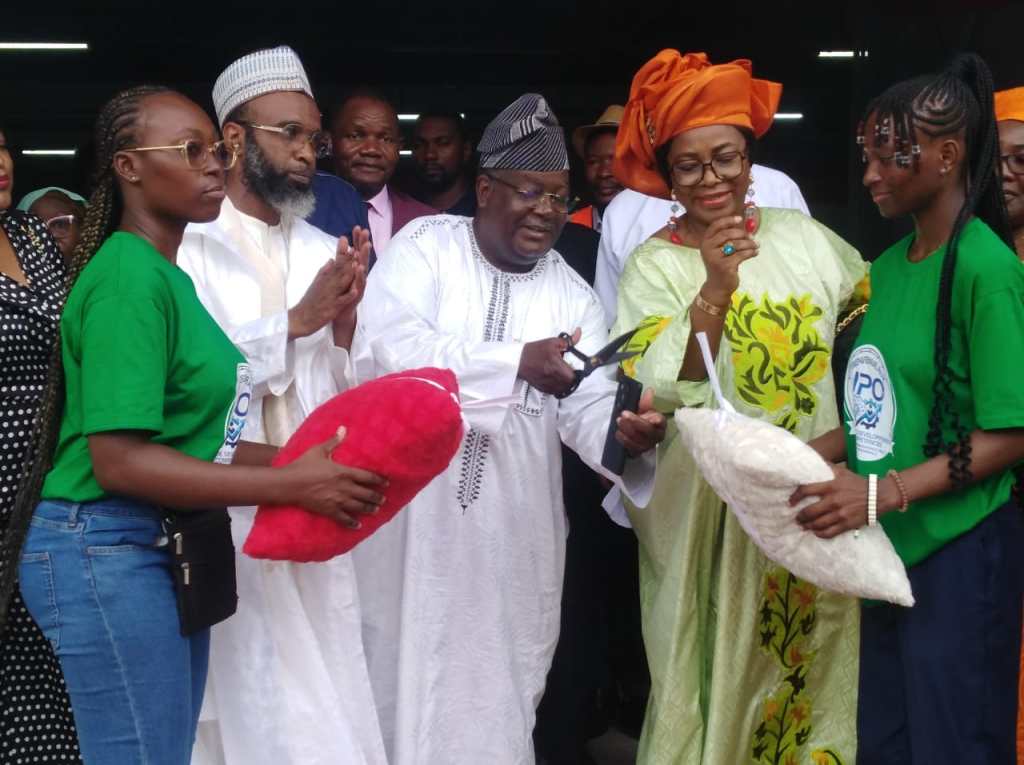
The Douala Advanced Vocational Training Centre (AVTC), a cornerstone of Cameroon’s strategy to professionalize education, recently held its 8th annual Open House event. Modeled alongside sister centers in Limbe and Sangmelima, the Douala AVTC was built with technical assistance from South Korea to bridge the gap between academic learning and industrial demand.The center offers specialized training across several high-impact domains: Electrical engineering, industrial electrotechnics, automotive maintenance, mechatronics, and welding/boilermaking.Tertiary & Service Sectors: Fashion design, beauty therapy, plumbing, and computer network maintenance.The two-day event drew high school students from across the Wouri Division.
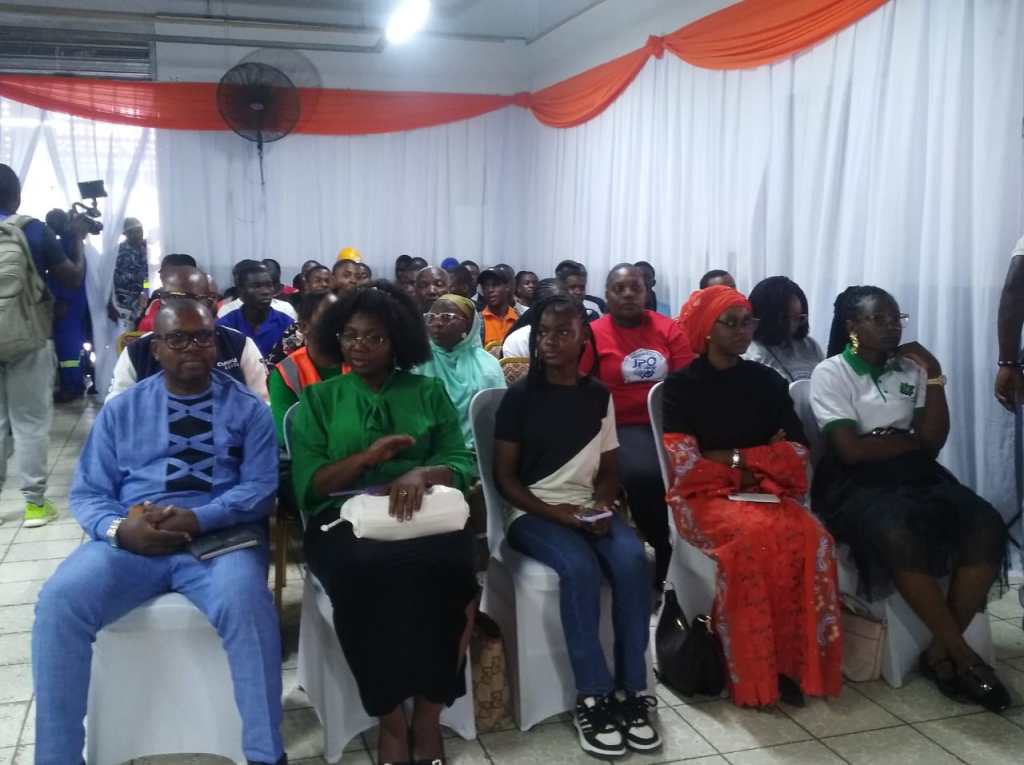
Addressing the assembly, the Director of the Centre emphasized that vocational training is the “driving force” behind Cameroon’s 2035 emergence vision. He specifically addressed the rise of Artificial Intelligence (AI), noting that it is a tool for empowerment rather than a threat to manual trades.”Our mission is to transform raw talent into added value for the national economy,” the Director stated. “By integrating AI with intelligent electrotechnical systems and programmable automation, we are preparing our students for the African Continental Free Trade Area. We are not just another school; we are a solution for businesses.”The Director also announced the upcoming Validation of Acquired Professional Experience (VAPE) program, allowing active workers to certify their years of on-the-job experience with formal diplomas. He highlighted that student projects such as mechanical prototypes and automated units—are ready for industrial deployment, thanks to partnerships with international developers.The opening ceremony was chaired by Ahmadou Bobbo, the Littoral Regional Delegate of Employment and Vocational Training. He lauded the South Korean cooperation and described the center as a “transparent mirror” reflecting the best of Cameroonian skill.”The era of AI is not a future threat; it is already here,” the Delegate remarked. “It is a powerful accelerator for professionalization, allowing for real-world simulations and predictive maintenance. Choosing vocational training today is a choice of lucidity and success.”Furthermore, to provide a private-sector perspective, a computer engineer and founder of Esperanto spoke to the students about the democratization of technology. He noted that while hardware used to be a barrier, modern smartphones now grant access to AI tools for video editing, 3D engineering, and global knowledge.AI condenses global expertise, making high-level learning accessible for free. A single graduate can now operate as a “mini-company,” using AI to handle marketing, customer service, and invoicing. Students were encouraged to use digital tools to position their brands and sell their “genius” to the global market.The event concluded with a tour of the workshops, showcasing a generation of learners ready to lead the structural transformation of Cameroon through the marriage of technical skill and artificial intelligence.


Leave a comment