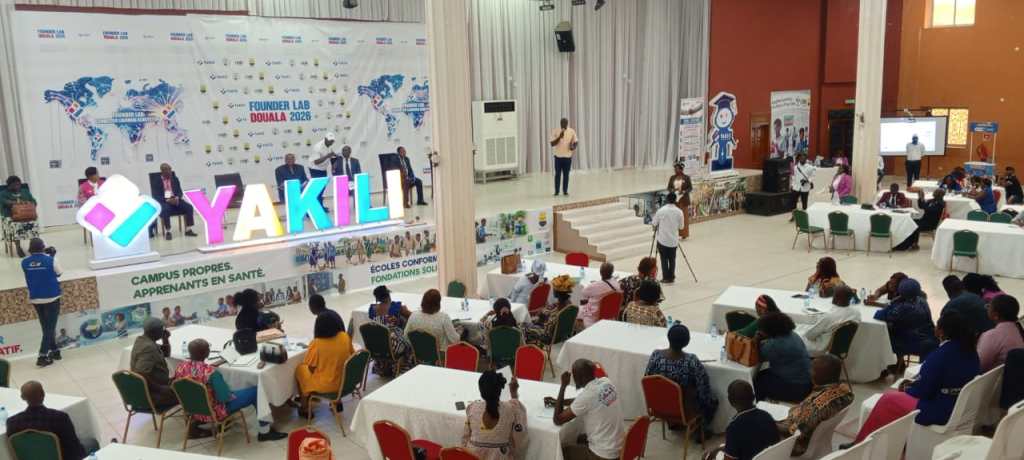
Nearly 200 basic education promoters in the Littoral Region gathered for a landmark symposium focused on the digital transformation of Cameroon’s primary education sector. The event, organized by the tech firm Yakili, aimed to bridge the gap between traditional teaching and modern digital pedagogy.The symposium emphasized that digitalization is not just about hardware, but about changing how children learn. Representatives from Yakili explained that the initiative focuses on “the roots”the foundation of education.Instead of traditional rote memorization, Yakili’s platform uses animated visual content to help students visualize complex concepts. For example, rather than simply reading about biology, students can watch animations of how oxygen flows through the body or how a plant grows from a seed.”We want our children to understand what they see, not just memorize what they hear,” a Yakili representative stated. “Our tools illustrate the ‘analog’ curriculum in a digital way, making it easier for a child in a village school to grasp lessons that were once abstract.”A key takeaway from the event was that digital tools are useless without skilled educators. Yakili’s CEO, Michael Enowchong, clarified that their partnership with the Education Secretariat (SEDUC) prioritizes teachers.”The digitalization process must start with the teachers, not the students,” Enonchong explained. “Together, we launched the Yakili Teacher Training Program. We are training teachers to use digital assets and interactive boards based on the curriculum provided by the Ministry of Basic Education.”Enonchong shared impressive results from a seven-month pilot program during the 2025-2026 academic year:40 classrooms equipped, 590 teachers trained.7,800 students connected.While the innovation was met with enthusiasm, some school promoters raised concerns regarding the “digital divide” and financial barriers. Virginie Ketchajuen, a school promoter, lauded the initiative but called for external aid. “This is a great thing for our children, but the costs are high. We need technical and financial support to make this a reality for all schools,” she urged.
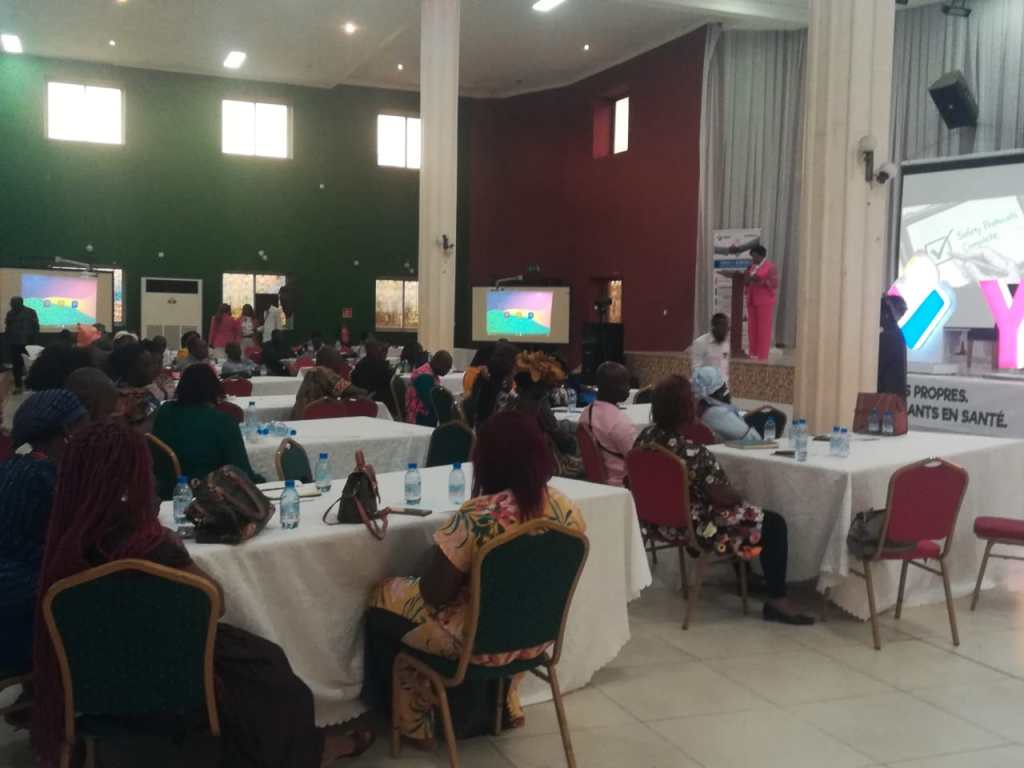
However, Barthélémy Basson, National Secretary of Private Schools, regretted that”Digitalization has been implemented in secondary education for some time; it is taking longer to take shape in basic education,”. Basson pledged to initiate larger nationwide meetings to ensure this “pedagogic innovation” covers the entire national territory.The symposium also served as a multi-sectoral briefing. In addition to technology, the Directorate General of Taxation (DGI) was present to educate founders on fiscal policies affecting private schools. Furthermore, the Douala City Council provided guidance on environmental hygiene standards required for the upcoming academic year.Nevertheless,for schools worried about connectivity, Yakili highlighted that their system operates offline via local servers. At home, students can access LUNA an application designed around the national curriculum that includes video lessons, homework, and research tools, ensuring that learning continues even after school hours. No internet required in the classroom to access digital lessons. All content follows the standards set by the Ministry of Basic Education. Includes training for teachers, students, and administrative staff. Utilization of interactive boards, projectors, and digital lesson notes.


Leave a comment