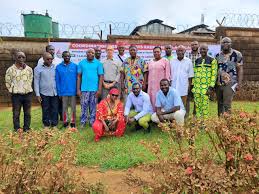
As the world prepares to observe International Workers’ Day and World Press Freedom Day (May 3rd), Socapalm recently hosted an immersive media tour at its Mbambou plantation. Moving beyond traditional corporate communication, the event served as a transparent showcase of RSPO certification in action, environmental stewardship, and proactive dialogue with the public.However,under the canopy of the Mbambou estate, Socapalm transformed a standard press visit into a real-world demonstration of sustainable land management. By providing journalists direct access to the soil, riparian zones, and High Conservation Value (HCV) areas, the company underscored a vital point: true sustainability is verified on the ground, not just on paper.This initiative holds particular weight ahead of World Press Freedom Day. By opening its gates, Socapalm reaffirmed that a responsible press requires unfettered access to facts and physical realities to accurately inform the public.The immersion began with a technical briefing featuring the Plantation Director, the Head of Administrative and Accounting Services (CSAC), and the Head of the Agricultural Department (CDA). The leadership team emphasized that Roundtable on Sustainable Palm Oil (RSPO) certification is a rigorous daily discipline rather than a mere institutional badge.The core requirements discussed included: Ensuring every drop of oil is accounted for from grove to mill. Upholding the rights and safety of the workforce. Safeguarding water tables and soil health. Maintaining ecological corridors where cultivation is strictly prohibited.Led by Achille Ngwe, the delegation visited HCV zones that remain untouched by industrial activity to preserve local ecological balance. Here, journalists witnessed firsthand the monitoring systems and reforestation efforts that define Socapalm’s environmental footprint.In the CA/25 P5 sector—a landscape of raffia groves and wetlands—the visit shifted into an educational workshop. Journalists were briefed on the vital distinction between arable flatlands and sensitive lowlands. “A lowland is not a void to be conquered, but a living system to be preserved.”This segment highlighted how these areas regulate water, recharge groundwater, and maintain biodiversity. Socapalm’s message was clear: protecting these zones is not a loss of productive space, but an investment in the long-term fertility and resilience of the entire territory.Nevertheless,through the insights of Environmental Correspondent Teck Albert, the group explored the nuances of modern plantation management.
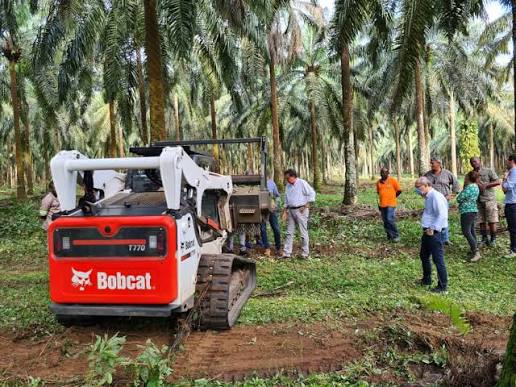
A key takeaway was the distinction between expansion and replanting: Socapalm’s replanting strategy focuses on renewing the existing orchard using high-yield, sustainable techniques. Maintaining “riparian zones” (vegetation strips near water bodies) to prevent erosion and chemical runoff.The Mbambou media tour concluded with a shared understanding: sustainable production requires radical transparency. By involving the media in this immersive experience, Socapalm has elevated its environmental commitments to a civic level. By bridging the gap between industrial production and public information, Socapalm is not just growing palms it is cultivating a more transparent and educational model for sustainable development in the region.


Leave a comment