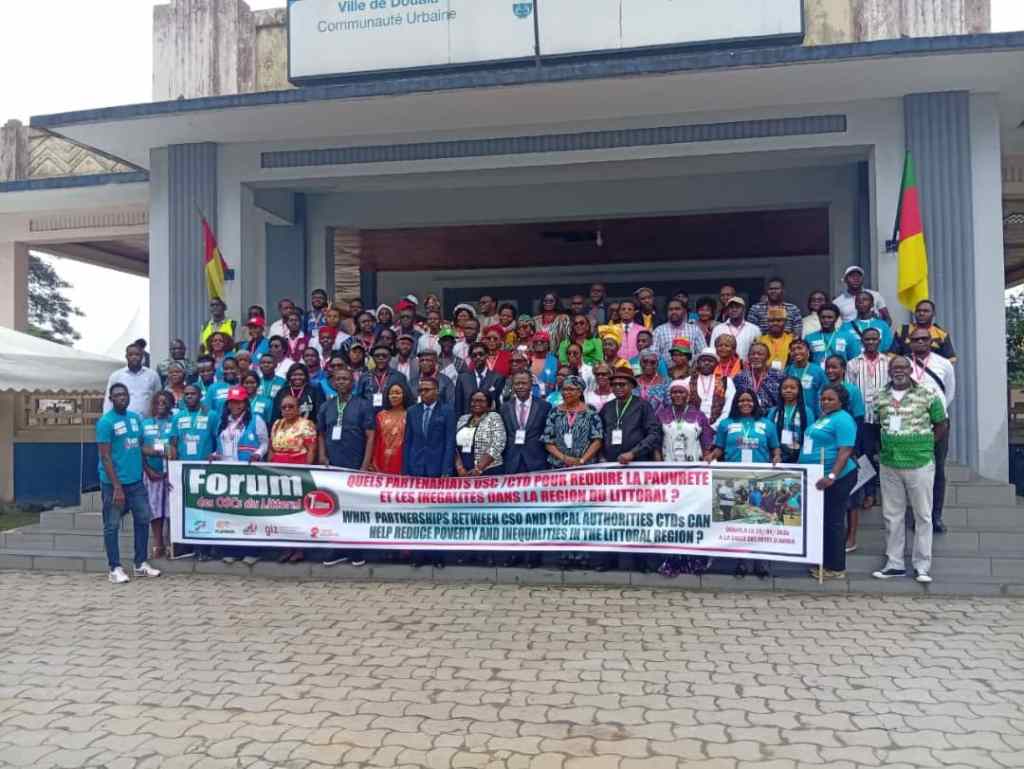
From the early hours of 8:00 a.m., the Douala City Hall in Akwa became a hive of strategic activity as it hosted the 7th edition of the Littoral Civil Society Organizations Platform (PLAFOSCIL) Forum. Held under the high patronage of the Governor of the Littoral Region, the forum serves as a critical response to the evolving challenges of decentralization in Cameroon. While the Littoral region remains an economic powerhouse, it is currently grappling with intensifying demographic pressure, social exclusion, and widening territorial disparities.
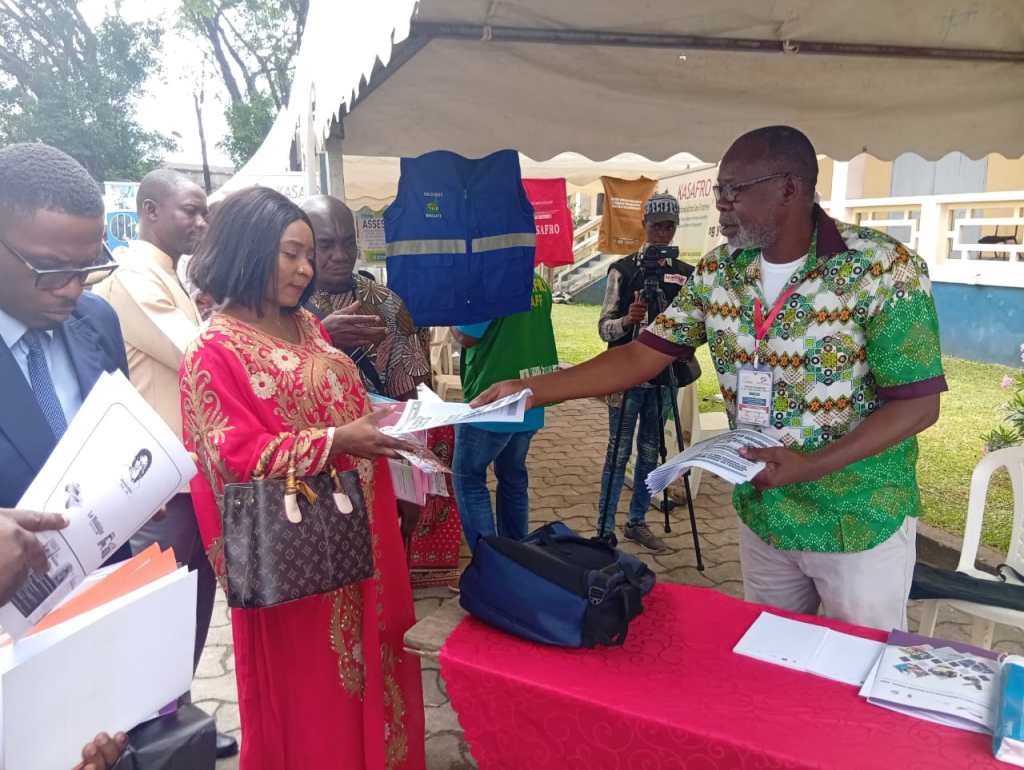
The forum highlighted a key reality: decentralization cannot succeed through the actions of Decentralized Territorial Collectivities (CTDs) alone.To address these complex issues, the event emphasized the urgent need for structured, synergistic cooperation between local government and Civil Society Organizations (CSOs).Under the theme, “What Local Government/CSO Partnerships Can Reduce Poverty and Inequality in the Littoral Region?”, this edition aims to shift informal community interactions into formal, sustainable partnerships. “By working closely with municipalities, we can ensure that no one is left behind,” stated Kaptouom Marius, Executive Secretary of PLAFOSCIL. Marius’s words underscored the role of CSOs as “community sentinels”the primary observers of the population’s most immediate needs.The scale of the initiative was reflected in its diverse attendance, featuring:Over 54 active CSOs representing grassroots interests.Administrative and Traditional Authorities providing regional oversight.Local Elected Officials, including the Mayors of Douala’s 1st, 2nd, 3rd, and 5th districts.A primary objective of the forum is to align regional development strategies with the United Nations Sustainable Development Goals (SDGs) specifically: Ending poverty in all its forms and Reducing inequalities within the region.Nevertheless,the forum is more than a meeting; it is a springboard for new social monitoring mechanisms. By establishing formal alliances, stakeholders intend to create a framework where local policies are supported and critiqued by the community they serve. As the Littoral region seeks a more inclusive future, the participants expressed a shared hope: that these dialogues will blossom into tangible support for vulnerable households, ensuring that every citizen’s voice is integrated into the decision-making process.
 Visionary Reports
Leave a comment