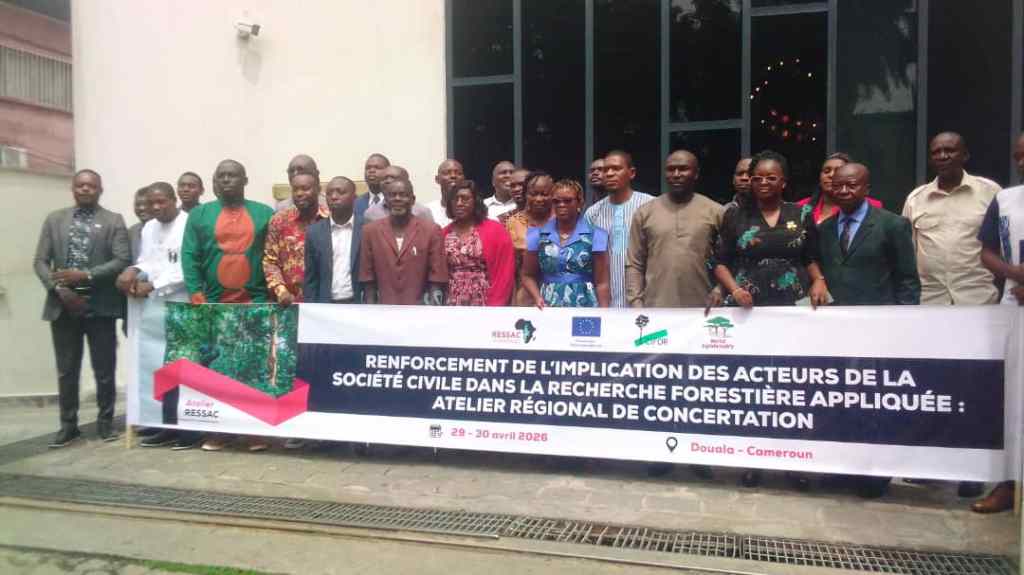
As the RESSAC program (Applied Research in Ecology and Social Sciences in Support of the Sustainable Management of Forest Ecosystems in Central Africa) nears its conclusion, a pivotal regional consultation workshop is taking place in Douala, Cameroon, on April 29 and 30, 2026. This initiative, led by the RESSAC coordination team, brings together researchers, public institutions, and Civil Society Organizations (CSOs) to bridge the gap between scientific discovery and community-led action.Over the past four years, the RESSAC program has spearheaded intensive research across Central Africa, producing vital data to combat environmental degradation. However, a persistent challenge remains:the integration of CSOs.While CSOs are essential for disseminating innovation and supporting local governance, their involvement in the actual co-design of research has remained unstructured. This workshop aims to transform CSOs from passive recipients of information into active partners in the scientific process.The Douala workshop is designed as a platform for co-creation, focusing on several key pillars: Presenting RESSAC’s regional achievements and scientific breakthroughs to civil society. Identifying the specific priorities of local communities that applied research can address. Exploring methods for the “co-design and co-implementation” of future research projects.
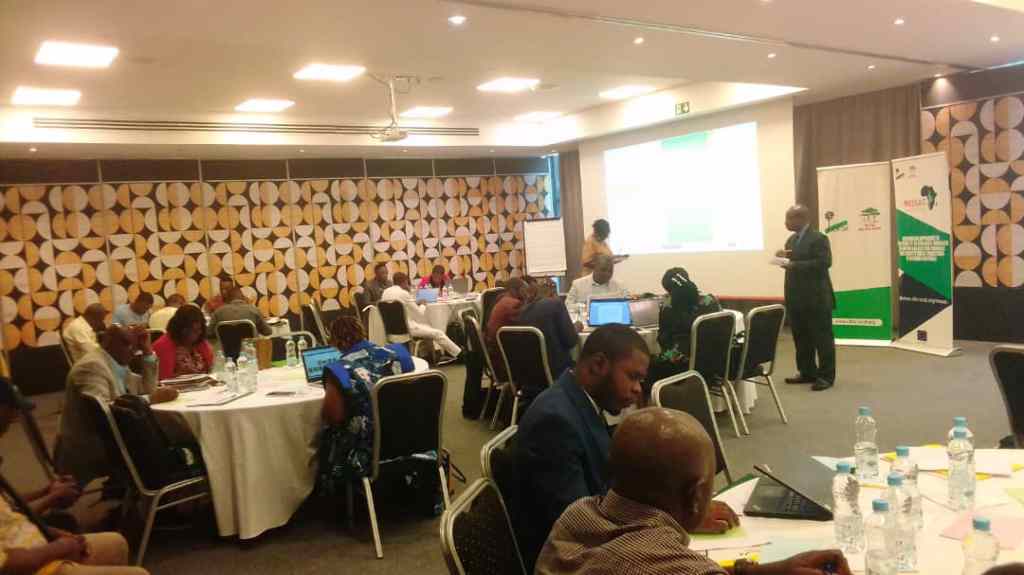
Training CSOs in translating complex data into policy briefs and technical notes to influence decision-makers.Laying the foundation for a permanent, structured interface between research institutions and civil society.Furthermore,the workshop’s success relies on its inclusive participant base, representing the heart of the COMIFAC(Central African Forests Commission) zone: Key Representatives Civil Society, Local NGOs, grassroots community groups, farmers’ networks, women’s associations, and youth organizations.Scientific Partners like CIFOR-ICRAF and specialized research networks.Institutional Actors COMIFAC representatives and international partner programs. Collective Managementby fostering a stronger alliance between scientists and local advocates, the RESSAC program aims to ensure that environmental innovations are not just theoretically sound, but practically applicable. “This event represents a crucial step toward establishing a model of collective forest resource management one that is deeply rooted in the realities and needs of Central Africa’s local populations.”Ultimately, this workshop is about more than just data; it is about strengthening the social and environmental fabric of the region to ensure that the management of natural resources is both sustainable and equitable.
 Visionary Reports
Leave a comment