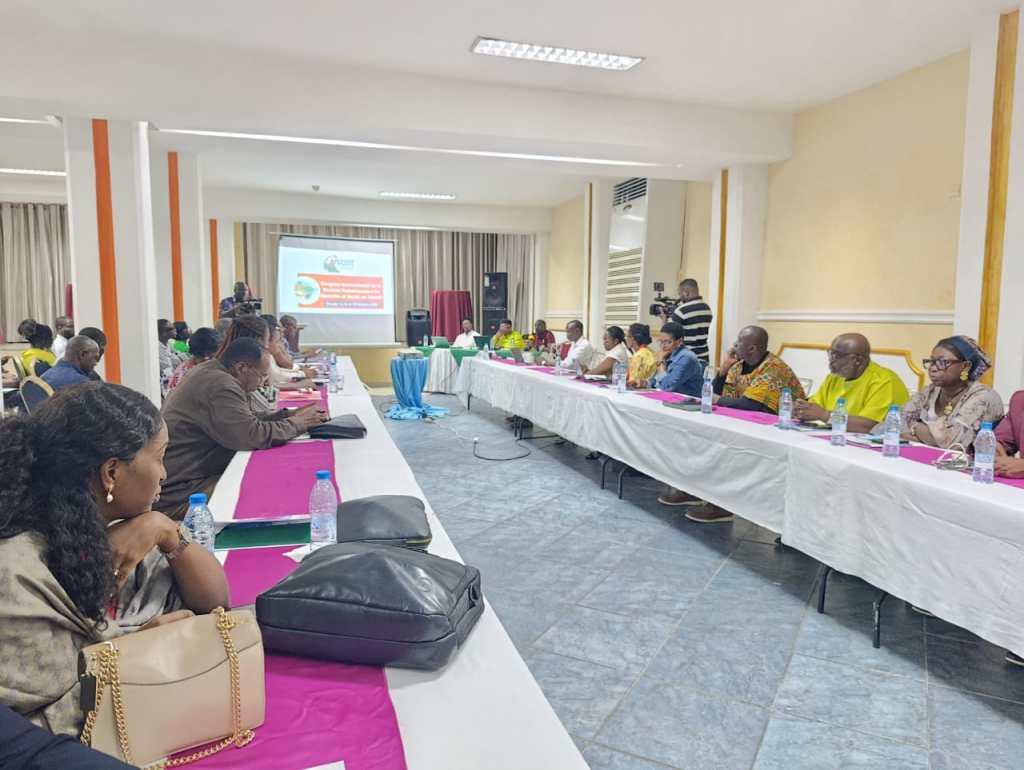
Following a landmark two-day summit (April 22–23, 2026), the Cameroon Society for Occupational Safety and Health (SCSST) has issued a clarion call to the national government: regulate psychosocial risks or risk the collapse of worker well-being.Under the theme “Support and Inclusion of Workers Experiencing Psychological Distress,”the conference transformed mental health from a whispered secondary issue into a top-tier national priority.“We have broken a taboo,” declared Dr. Joseph Sylvère Kaptue, Executive President of the SCSST. “Mental health and psychosocial risks will no longer be an invisible challenge in our companies.”The summit marked a decisive shift in collective awareness. For decades, psychological distress in the workplace remained unaddressed, but the SCSST argues that the modern professional landscape marked by teleworking and rapid digital shifts—no longer permits silence.The event was not merely discursive; it provided stakeholders with practical resources to implement change immediately:
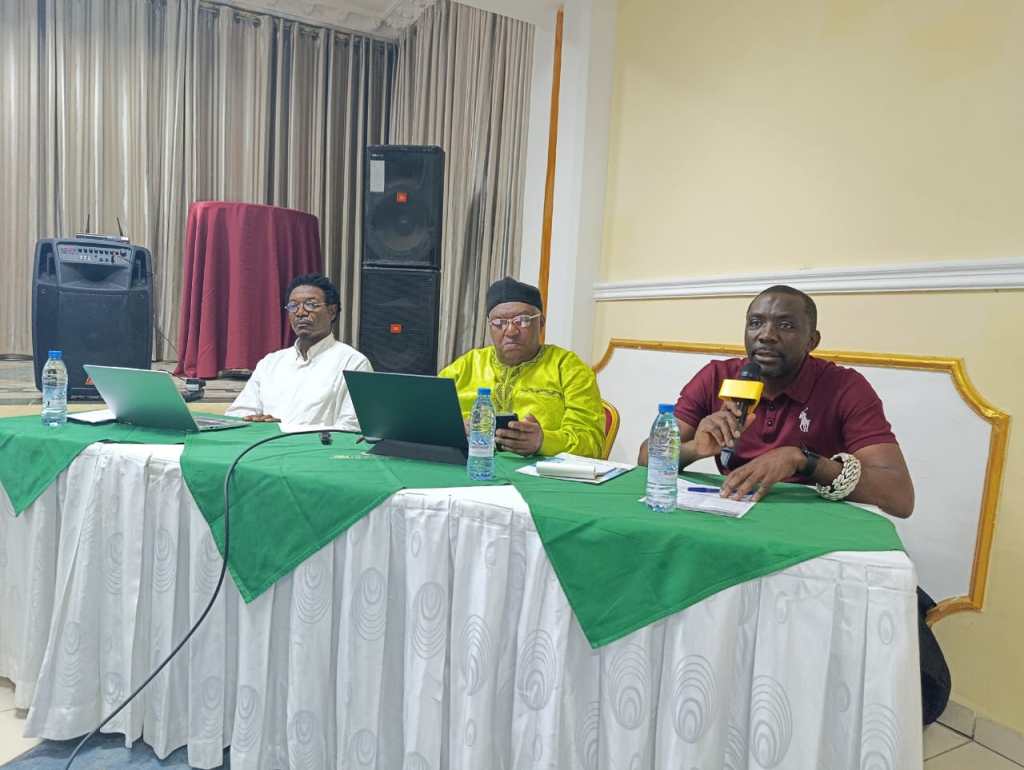
A manual on “Supportive Management” that integrates risk prevention with mental health promotion. A specialized kit for the early detection of mental health disorders and psychosocial risks.Furthermore,the most striking revelation of the summit was the stark inadequacy of Cameroon’s current legal framework. A direct appeal was submitted to the Minister of Labor and Social Security, represented by the Director of Occupational Health.The SCSST highlighted a “concerning” reality: The primary regulatory texts have not been updated since 1979, failing to account for 21st-century work environments. While there are 141 labor inspectors trained at ENAM, none specialize in occupational health and safety. Furthermore, only 105 occupational physicians serve the entire nation. There is currently a lack of reliable tools to measure mental health impacts.Nevertheless,to bridge this gap, the SCSST announced a national research project aimed at producing quantifiable, legally blind.The findings of this national study will be the centerpiece of the 5th International Scientific Congress of the SCSST scheduled for October 13–15, 2026 in Douala.The congress, themed “Occupational Health and Safety Practices in Resource-Constrained Environments,”seeks to find innovative, low-cost solutions for high-impact safety results. By pushing for these reforms, the SCSST aims to weave mental health into the fabric of public policy, positioning the prevention of psychosocial risks as a primary driver of both human well-being and corporate performance.
 Visionary Reports
Leave a comment