As the nation stands at a pivotal crossroads, women in Cameroon are united in their call for equitable representation and leadership that prioritizes their voices and needs, igniting hope for a more inclusive future.
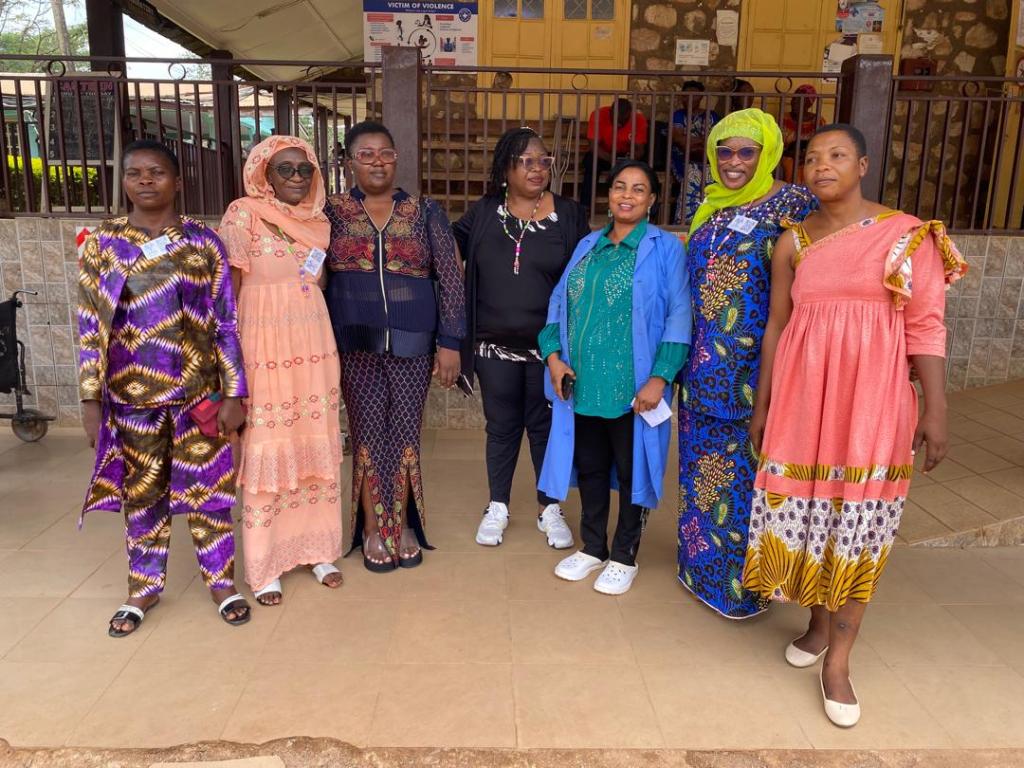
Cameroonians will head to the polls to elect a new president on October 12. Expectations from women in Cameroon are high, whether it be for the incumbent, His Excellency Paul Biya, or a new face. Women view this as an opportunity to amplify their voices and ensure that the next president listens to their plight and takes it into consideration.Women are demanding more political power and government jobs. Despite making up more than half of Cameroon’s population, there is not a single female among the country’s 10 regional governors or council presidents. Notably, all four ministers of state are men, and out of 39 ministers, only six are women. Among the 58 divisional officers, only two are women. These statistics reveal significant gender disparities in political and administrative representation. This stark inequality suggests systemic barriers that limit women’s participation in governance, potentially leading to policies that do not adequately address their needs.The lack of female representation undermines public trust in government institutions and highlights the urgent need for reforms, such as gender quotas, to enhance women’s involvement and ensure a more inclusive decision-making process. The current government has not respected the universal quota of 30% or the African Union’s recommendation of a 50-50 representation.
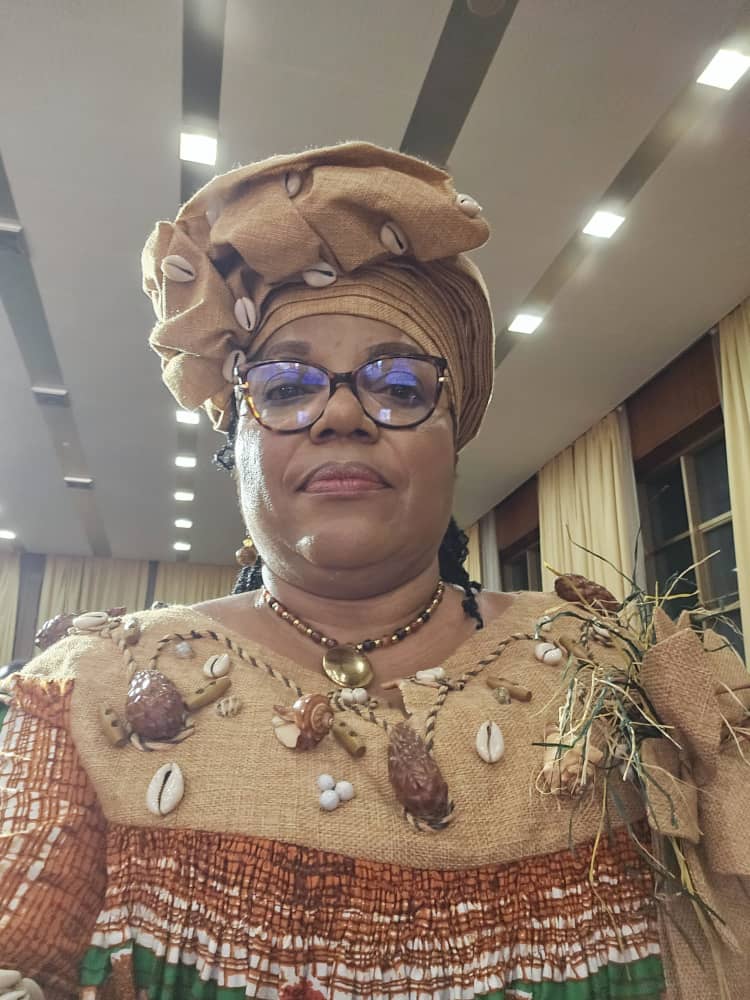
Madam Omam Esther Eringo Cha Ekombo,
According to Madam Omam Esther Eringo Cha Ekombo, Global Peace Champion and Executive Director of Reach Out Cameroon, women’s expectations from the next president focus on justice rather than favors. “As Cameroon stands on the brink of a new political era, women across the nation are hopeful for leadership that listens, serves, and delivers. Whoever leads Cameroon in the next mandate will carry the responsibility to restore trust, strengthen inclusion, and ensure that every citizen, especially women has a voice in shaping the nation’s future,” she stated.She also lamented that for too long, women’s contributions to peace, governance, and community development have gone unrecognized. “The time has come to turn acknowledgment into action. The next leadership must embody governance with empathy, leadership with integrity, and inclusion with purpose, where women are seen not just as beneficiaries but as true partners in progress. When women rise, nations heal. When leadership listens, peace takes root. Only through shared commitment and genuine inclusion can Cameroon move confidently toward peace, prosperity, and gender-responsive governance,” she explained.
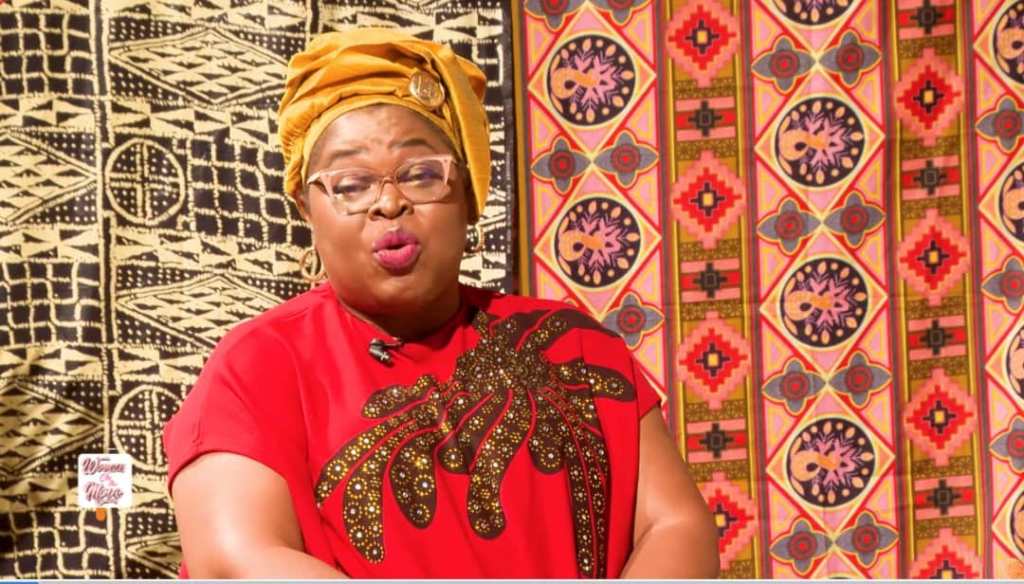
Madam Muma Bih Yvonne
Madam Muma Bih Yvonne from the Cameroon Women’s Peace Convention expressed disappointment over the low representation of women in politics, noting that there are only 61 women in the 180-member lower house of parliament, while the Senate has 26 women compared to 74 men. Following the February 2020 municipal elections, 327 women out of 958 are deputy mayors, representing 34% of council executives, and there are 39 women serving as full mayors. Out of 10,626 municipal councilors, 2,623 are women, representing 24.7%.Muma Bih Yvonne emphasized that Cameroon’s electoral laws make it difficult for women to ascend to leadership positions. “The electoral code does not clearly specify quotas reserved for women; it merely mentions that gender should be taken into consideration. Women need to be supported by political will. The new president and government should appoint more women who are highly qualified for various positions,” she concluded.


Leave a comment