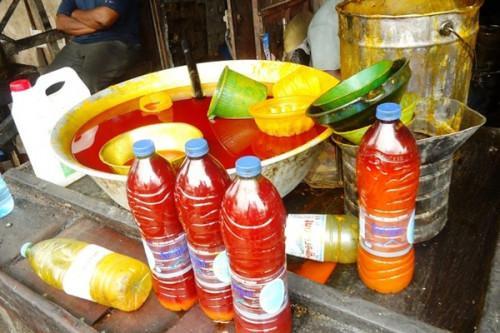
With the official acquisition of the Socapalm-Eseka plantation, Opalm is set to significantly bolster Cameroon’s crude palm oil supply. This strategic move aims to mitigate the nation’s reliance on imports which currently hover around 120,000 tons annually and ease the financial pressure on local households.The transfer of the Eséka site, finalized on February 16 with government backing, represents more than a simple change in ownership. According to Socapalm’s management, Opalm is introducing a “massive industrial deployment” that shifts the production paradigm. Opalm plans to scale annual production from 7,000 tons to 25,000 tons. “By investing heavily in industrial equipment, Opalm will transform Eséka into a true center of excellence,” stated Jules Germain Kamta, Secretary General of Socapalm.For secondary processing producers, this “industrial firepower” translates to more reliable raw material availability and a reduced need for expensive foreign imports.Also,on Wednesday,
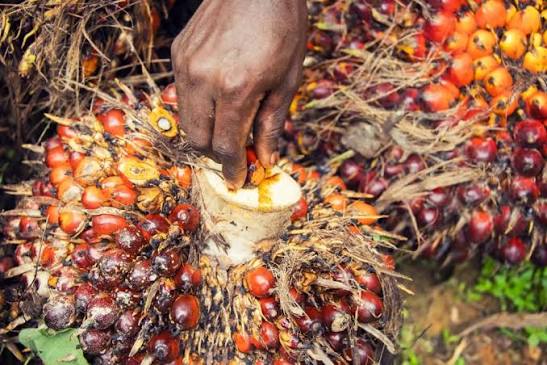
March 11, 2026, leadership from both Socapalm and Opalm met with partner planters at the Starland Hotel in Douala to outline the roadmap for the transition.Tarek Daoud, CEO of Opalm, emphasized that the takeover is rooted in continuity and sustainable development. Socapalm and Opalm teams will work in tandem to ensure a “smooth handover” and uninterrupted operations.The transition is framed as a “specialization of strengths” rather than a disruption.The ultimate goal is to strengthen the Cameroonian value chain and meet rising national demand through mutual respect and responsibility.Nevertheless,to address potential concerns regarding the acquisition, Socapalm’s top management offered several key assurances: There will be no price increases for palm oil products resulting from this transition. Current salary structures and payment schedules will be maintained.The focus remains on collective growth to ensure a “fruitful end result” for the entire sector.
 Visionary Reports
Leave a comment