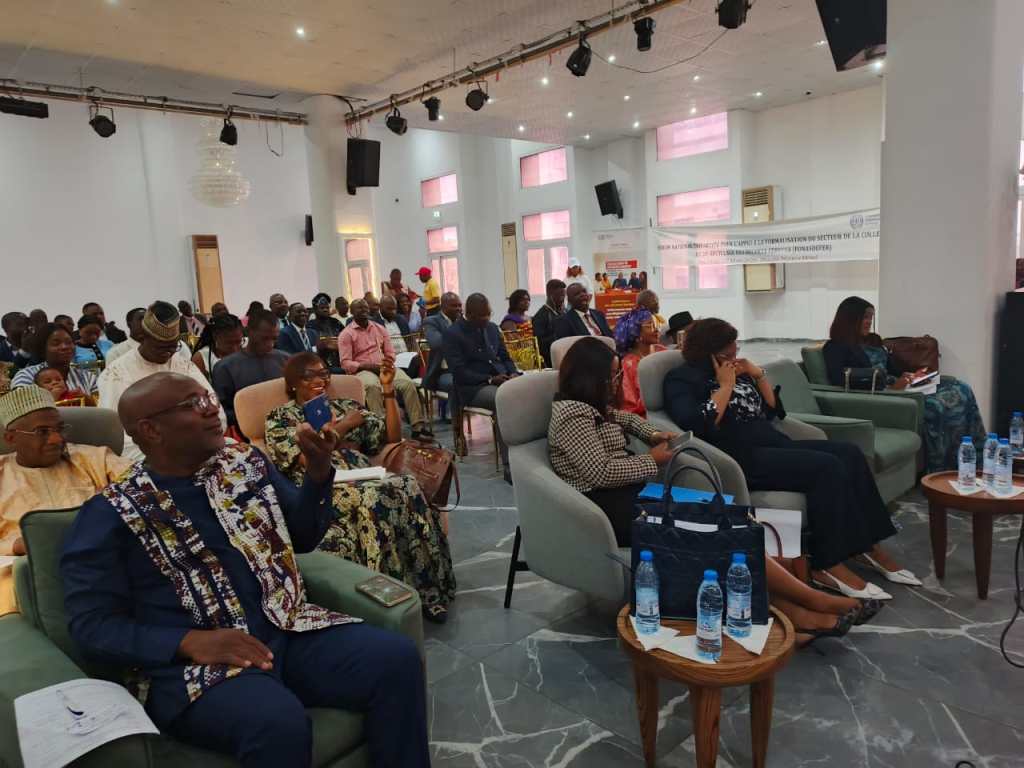
Cameroon is moving to bring a crucial part of its circular economy into the light through policy, social protection, and safer working conditions. On March 26- 27, stakeholders convened for a Tripartite National Forum aimed at supporting the formalization of the ferrous waste collection and recycling sector, a business described as increasingly vital for both employment and environmental preservation.The push comes against a backdrop of global momentum for circularity. The Circularity Gap 2024 report by the Circle Economy Foundation estimates the world’s average circularity rate at 7.2% and highlights how, in developing countries, circular activities often provide major livelihoods where formal economic alternatives remain limited.In Cameroon, the ferrous scrap sector including the collection and recycling of metal waste has emerged as a major economic driver for many urban communities, even as it is plagued by widespread informality. According to the forum organizers, the sector operates under an 80% informality rate, while businesses struggle with unregulated scrap pricing, restrictive requirements for environmental permits, and dangerous working conditions. These challenges, organisers says, also expose workers and the environment to high risks, including pollution affecting soils and groundwater.Yet the sector’s importance is undeniable as statistics indicates that for 2024 alone, it generated over 18 billion CFA francs, creating thousands of jobs and contributing to waste reduction efforts. In the city of Yaoundé alone about 36 tons per day of waste are collected, demonstrating the sector’s direct role in environmental balance. Organizers also cite an average of 20,900 direct jobs created in 2025, alongside broader indirect benefits from reusing recycled materials.The forum is the culmination of several years of initiatives led by the International Labour Organization (ILO) in partnership with the Cameroon Government and social partners. A key milestone was the launch of the project titled “Formalisation of the collection and recycling of ferrous waste sector for the promotion of decent work and environmental sustainability” on 7 October 2024.The project has as goals to educe deficits in decent work within the sector and support a just transition from informality to formality, while strengthening environmental sustainability. Its progress, the organizers say, includes improvements related to the legal framework, expanded access to social protection, better working conditions, and strengthened social dialogue. .Addressing participants, at the workshop in Douala, the representative of the minister of labour and social security Madam Mbougio Ahanda Angelique Salome said waste management holds major economic and environmental potential, including job creation and significant collection volumes across Cameroon. She also emphasized the vulnerability of workers, who often face inadequate working conditions and limited or no social dialogue support. The government’s priority, she said, is to ensure that the benefits of the circular economy extend beyond large industrial actors especially by supporting the most vulnerable day-to-day waste collectors.ILO representative Rodrigue Raoul Zuchuon reiterated the emphasis on social justice and expanding access to decent work, including for women. He highlighted formalization as a long-term pathway supported through incentives and integrated approaches. The ILO mission, he said, will continue through partnership-building and funded activities, including work toward national institutional tools for waste management.Christophe NDASSI, president of the workers’ syndicate, (SYNAFSEC)underscored the sector’s role in protecting nature, preserving the ecosystem, and creating socially valuable employment. He argued that more commitment is needed from authorities, and called for practical reforms particularly measures to reduce harassment of workers and the creation of a price-approval commission to ensure fair valuation of workers’ efforts by buyers. These measures, the syndicate leader said, should help establish national coordination and reduce obstacles faced by workers on the ground.It is worth noting that forum seeks to give stakeholders—including government representatives, employers, workers’ organizations, civil society, and development partners, ownership of the project results. Organizers say participants will support implementation and financing of an integrated strategy and action plan for ferrous waste collection and recycling in Cameroon, along with recommendations to guide next steps.
 Visionary Reports
Leave a comment