
At the heart of the dispute between 456 local plaintiffs and the agribusiness giant SOCAPALM, a troubling gap has emerged between the humanitarian narrative heard in French courtrooms and the grim reality on the ground. Our investigation—supported by firsthand accounts and exclusive insights from the defense exposes the “phantom promises” of wealth and the legal vulnerabilities threatening to collapse the entire proceedings. What began as a quest for international justice has, for many, become a sophisticated trap for the vulnerable.In the dusty villages surrounding of Lendi and Pungu Aviation, a persistent rumor had taken hold: a “windfall” of €140,000 is waiting for the plaintiffs. The locals call it “fly money”wealth that appeared on the horizon only to vanish like a mirage.Our field investigation, bolstered by an interview with Me Ngatchuessi Kamdem, Socapalm’s defense counsel, reveals a stark truth: this sum is not compensation for environmental or social damages. Instead, it is a technical penalty payment ordered by a Nanterre judge due to a delay in producing corporate documents. “Mr. Rilov knows this sum is not compensation for damages,” asserts Me Ngatchuessi. “Presenting a procedural penalty as a victory for the people is a deliberate confusion used to lure more plaintiffs.”The core of the lawsuit relies on the French Duty of Vigilance Law, which holds multinationals accountable for their subsidiaries. However, the plaintiffs’ strategy hinges on a shaky premise: that the Bolloré Group exerts direct control over Socapalm.The shareholding reality tells a different story:Socfin Group: Owns over 67% of SOCAPALM,Cameroonian State:Owns 20% and Bolloré Group: Holds less than 40% of Socfin.Legally, this lack of majority control means the French Duty of Vigilance Law may not apply. “The legal basis for this lawsuit is collapsing like a house of cards,” concludes Me Ngatchuessi. If the jurisdictional foundation fails, the villagers are left with nothing but the costs of a battle they were told they had already won.
Moreover,the Rilov-Socapalm case is a textbook example of the excesses of transnational judicial activism.
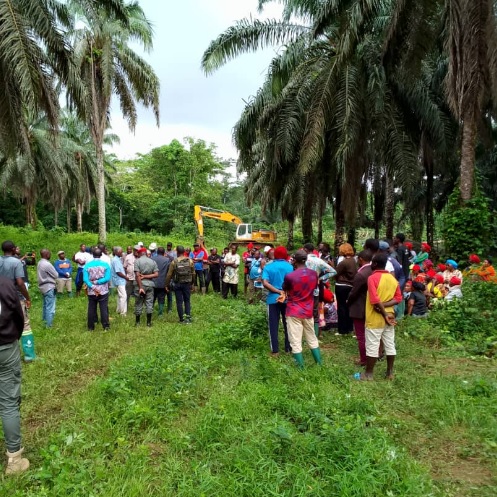
While the intent holding corporations accountable is noble, the execution here suggests a “shattered mirror” effect: Local communities have become instruments for international legal strategies they don’t fully understand. The promise of individual payouts has replaced communal solidarity with suspicion and disillusionment. Can a French lawyer truly speak for a villager on the Atlantic coast if that villager was recruited under false pretenses?Ultimately, this case transcends a simple land dispute. It poses a haunting question:Does justice speak for the people, or merely in their name? Between the polished pleadings in Paris and the sandy paths of Kribi, the truth remains grounded in the villages. If the “people” are merely used as arguments in a trial they did not choose, then the victory belongs to the lawyers, while the “social fracture” remains the burden of the Cameroonians.
 Visionary Reports
Leave a comment