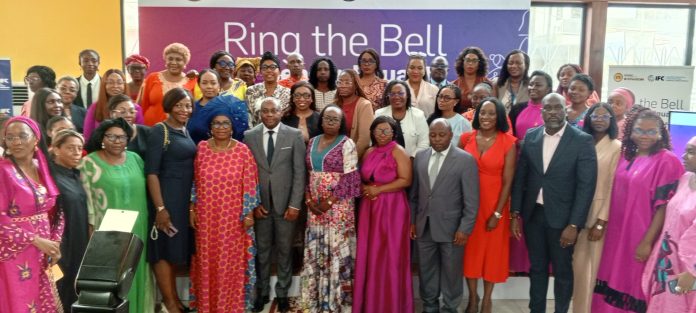
The 2026 International Women’s Day carries a weight of renewed urgency under the theme: “Rights. Justice. Action. For ALL women and girls.”This is not merely a slogan; it is a three-pronged imperative. At its core, it demands a transformation of horizontal rights, the pursuit of economic justice, and the transition from passive observation to proactive implementation.Furthermore,equality cannot exist without a robust legal foundation. While legal frameworks are intended to be the bedrock of opportunity, the reality remains stark.
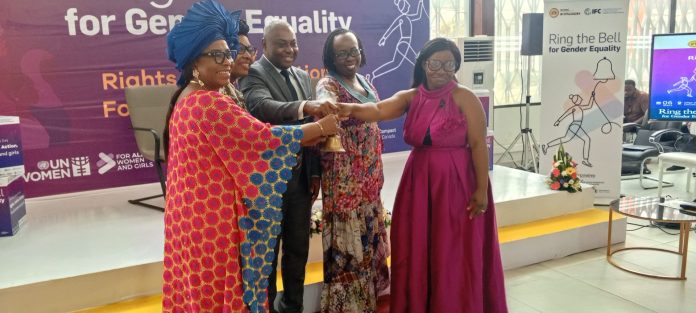
According to the World Bank Group’s Women, Business and the Law 2026 report, women globally still access only 77% of the legal rights afforded to men.Even more concerning is the scale of exclusion: nearly 2.4 billion women reside in countries where the law fails to fully protect their right to participate in the economy.The existence of a law does not guarantee its impact. The 2026 report highlights a “hollow middle”a significant disconnect between the “law on the books” and the “law in practice” caused by weak enforcement and a lack of institutional capacity.In Cameroon, the data reveals a critical need for structural reform across three key pillars:Legal Framework is 44.48 / 100,Support Frameworks is 30.83 / 100 and a perception of Enforcement is 34.01 / 100.These figures demonstrate that even when laws exist, the lack of operational mechanisms leaves women without a clear path to justice or economic security.Also,the gender penalty is an economic anchor. On average, women still earn 20% less than men for equivalent work, yet only one in eight companies currently reports on their gender pay gap. This is not just a social failing; it is a business one.The Bottom Line is a company that lacks diversity in its leadership and boardroom stifles its own productivity. Conversely, inclusive governance is a proven driver of superior financial and non-financial performance.To combat this, initiatives like “Ring the Bell” are essential. By placing gender equality at the center of corporate strategy and market quality, we transform equality from a “social good” into a market standard.The Central African Stock Exchange (BVMAC), through its co-organization of this initiative, signals a commitment to transparent, diversified markets that align with international standards. However, “ringing the bell” must be followed by a concrete roadmap, including: Integrating gender indicators into listing requirements. Using analytical tools to identify and bridge specific gender disparities. Strengthening capital access for female led SMEs. Establishing gender reporting as a non-negotiable market standard.Moreover,today, we ring the bell not as a symbolic gesture, but as a resolute declaration of intent. True equality will not be achieved through passive waiting or isolated efforts. It requires deliberate political, legal, and economic choices backed by rigorous implementation.The fight for the rights of women and girls is a collective imperative. The data is clear, the roadmap is set now, it is time to act.
 Visionary Reports
Leave a comment