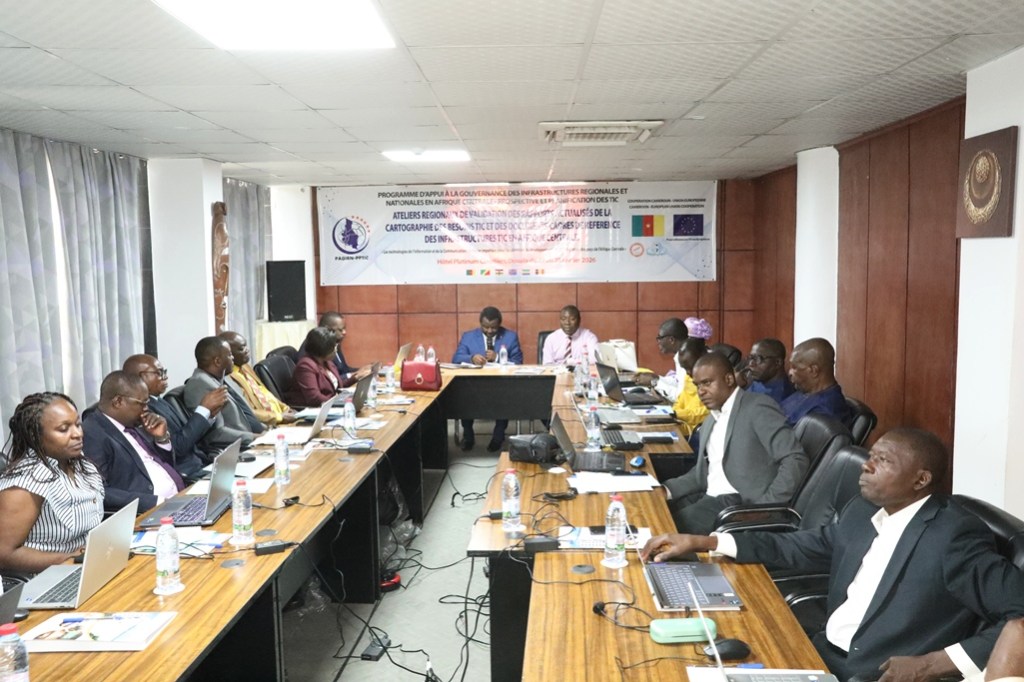
Six Central African countries gathered in Douala for regional workshops focused on validating updated reports regarding the mapping of ICT (Information and Communication Technology) needs and essential framework documents for infrastructures. This initiative is part of the European Union’s “Support Program for Governance of Regional and National Infrastructures in Central Africa” (Pagirn).The workshops, which opened on February 23, aim to address critical connectivity issues identified by the International Telecommunication Union (ITU), which reports that only 15% of households in Africa have internet access, compared to 84% in Europe. As connectivity between countries remains a significant challenge, the program seeks to foster regional cooperation and improve ICT infrastructure.During the event, Jean Jules Tewa, a training officer involved in the initiative, emphasized the importance of interconnectivity among the participating nations. “For instance, having MTN in both Cameroon and Congo Brazzaville does not help if I cannot use my Cameroon SIM card in Congo.
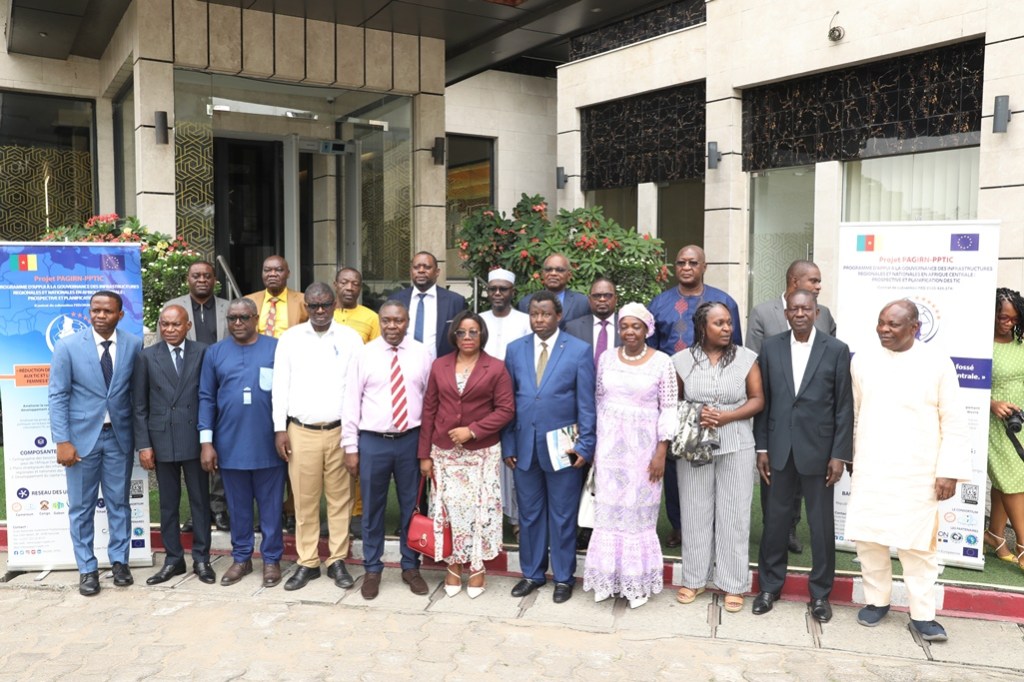
A seamless interconnection would allow travelers to use their SIM card across borders as they do within the European Union,” he explained.The program also incorporates a prospective and planning component executed by the National Superior Polytechnic School of Yaoundé, along with the National Superior School of Posts and Telecommunications. The regional workshops are essential to ensuring the successful implementation of the project, which addresses the pressing need for ICT infrastructure and connectivity across the six nations.Participants expressed satisfaction with the findings overviewed by consultants throughout the workshops. Jude Missengue, the program focal point for Gabon, noted, “We have been involved in this project from the beginning, and we are pleased to have contributed to the data collection, an important aspect that remains a challenge in our sub-region.”The Pagirn project was co-financed by the European Union, contributing 89% of the total budget of 2 million euros, while the State of Cameroon covered the remaining 11%. As the workshops concluded on February 28, the director of ENSPY, Professor Meva’a Jean Raymond Lucien, urged all country representatives to advocate for a second phase of the project. “This initiative is crucial for improving interconnectivity between our countries, and I encourage all partners to present these requests to our donors,” he recommended.With better connectivity becoming increasingly vital, this initiative marks a significant step toward a more integrated digital future for Central Africa.
 Visionary Reports
Leave a comment