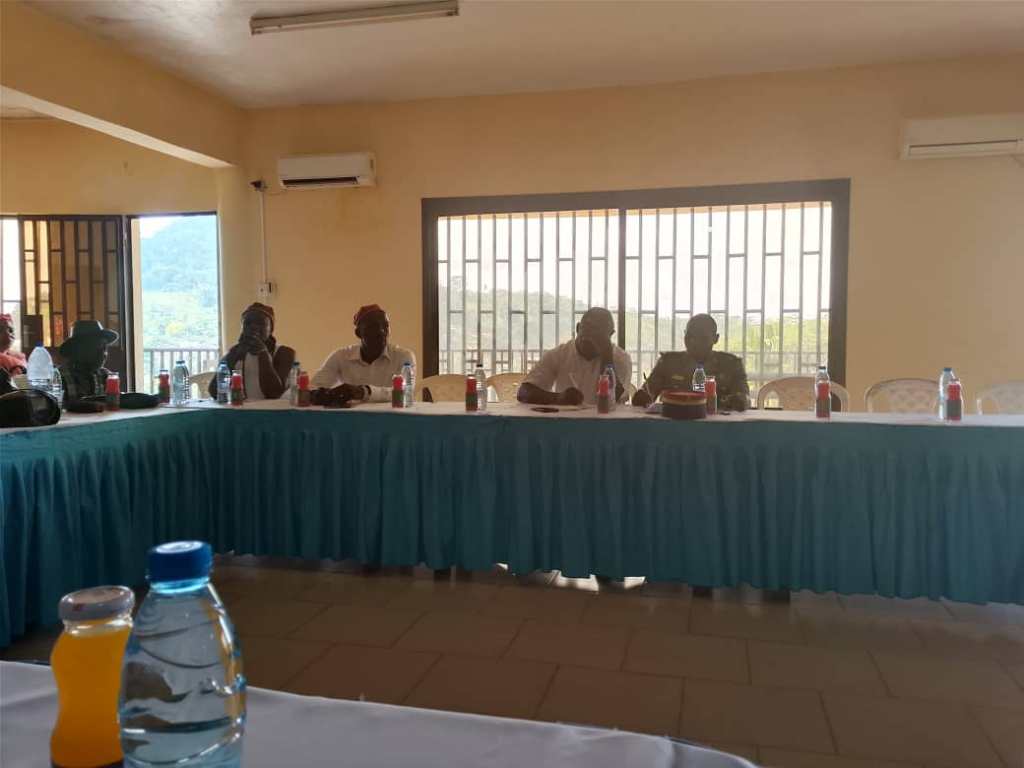
In a move described by local elites as a giant step for the region, agribusiness giant Socapalm has officially returned a substantial portion of its land concessions to the State of Cameroon. This restitution is expected to provide long-term benefits to local communities by freeing up land for diverse socio-economic activities.The hand-over follows extensive survey work conducted by Socapalm in collaboration with the Ministry of State Property, Surveys, and Land Tenure, as well as local community leaders.
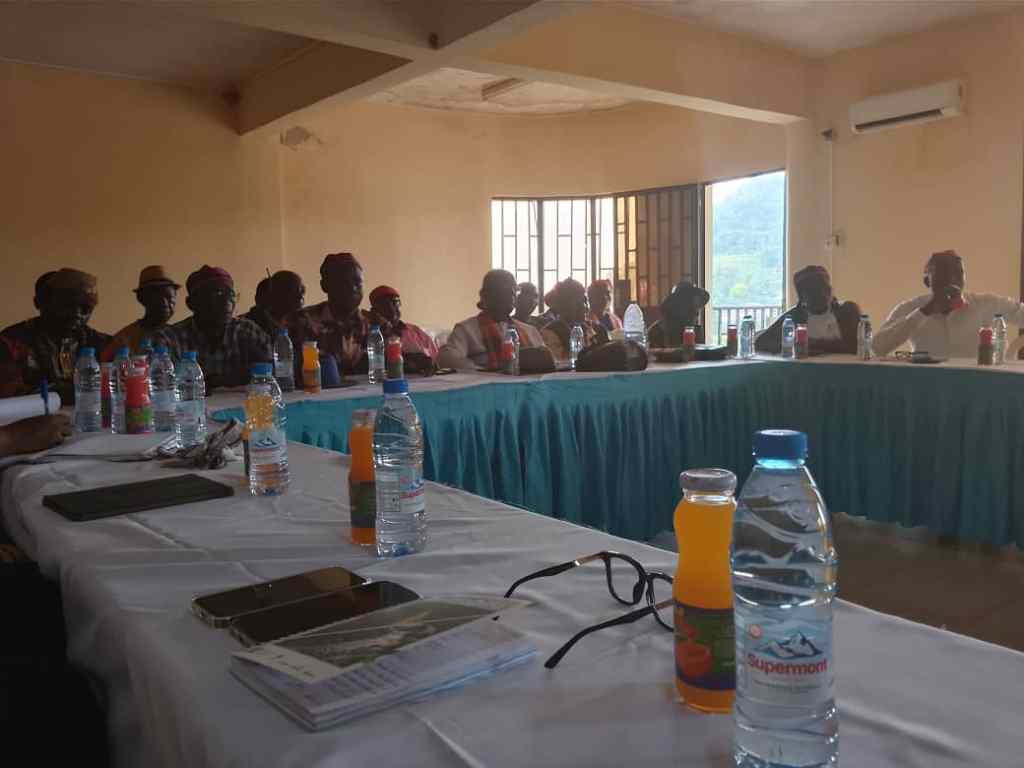
The initiative aims to clarify land boundaries and ensure transparency within the Nyong and Kelle Division of the Center Region.The updated land distribution for the Eseka site is as follows:Initial Concession 13,954.00,Area Retained by Socapalm 5,119.92 ,Area Returned to the State 8,834.08.However,the official ceremony took place on December 11, 2025, presided over by the Divisional Officer for Eseka, Bamdja Djoh Aurelien. The process utilized a “tripartite framework” a collaborative effort between the corporate administration, state technical services, and riverside communities.By using advanced topographic surveys and administrative validation, the stakeholders were able to objectively redefine the plantation’s borders. “This land clarification and restitution process is intended to be progressively extended to all plantations in Cameroon,” stated Barbara Lienoue, Head of Communications at Socapalm. “This marks the first concrete manifestation of the company’s commitment to securing public land.”It should be noted here that,the Eseka handover is part of a broader strategy by Socapalm to return unused lands to the state.It explains why, just weeks later, on January 21, 2026, the company returned an additional 2,566 hectares in Dibombari.Through these successive operations, Socapalm is signaling a shift toward more peaceful coexistence between agro-industrial interests and the public. By clarifying these boundaries, the company aims to reduce land disputes and foster a more transparent relationship with both the authorities and the communities that surround their operations.
 Visionary Reports
Leave a comment