
Ethiopis Tafara, the Vice President of the International Finance Corporation (IFC) for Africa, has renewed the IFC’s commitment to supporting young entrepreneurs in Cameroon. During his visit to Douala on January 19, Tafara emphasized the importance of fostering the growth of young enterprises to facilitate their access to financing from financial institutions. His visit, part of a two-day tour of Cameroon’s economic capital, focuses on the future of financing in Central Africa. According to the World Bank, Tafara’s visit is a strategic effort to enhance support for the private sector, capped by the official inauguration of the first Credit Information Office in Central Africa (CICA). He outlined various programs designed to support and guide young entrepreneurs toward maturity.In discussions with young entrepreneurs in Douala, several challenges were highlighted, including a lack of financing from banks and inadequate facilities for preserving produce, such as tomatoes and other fruits and vegetables. Many expressed concern that imported goods are often cheaper than locally made products, adversely affecting local production and sales. They called for a review of the current tax regime, arguing that the tax exemptions on imported goods is detrimental to local companies.Diane Audrey Ngako, CEO of Omenkart, noted that young businesses frequently struggle to retain skilled employees due to competitive salaries offered by other companies.
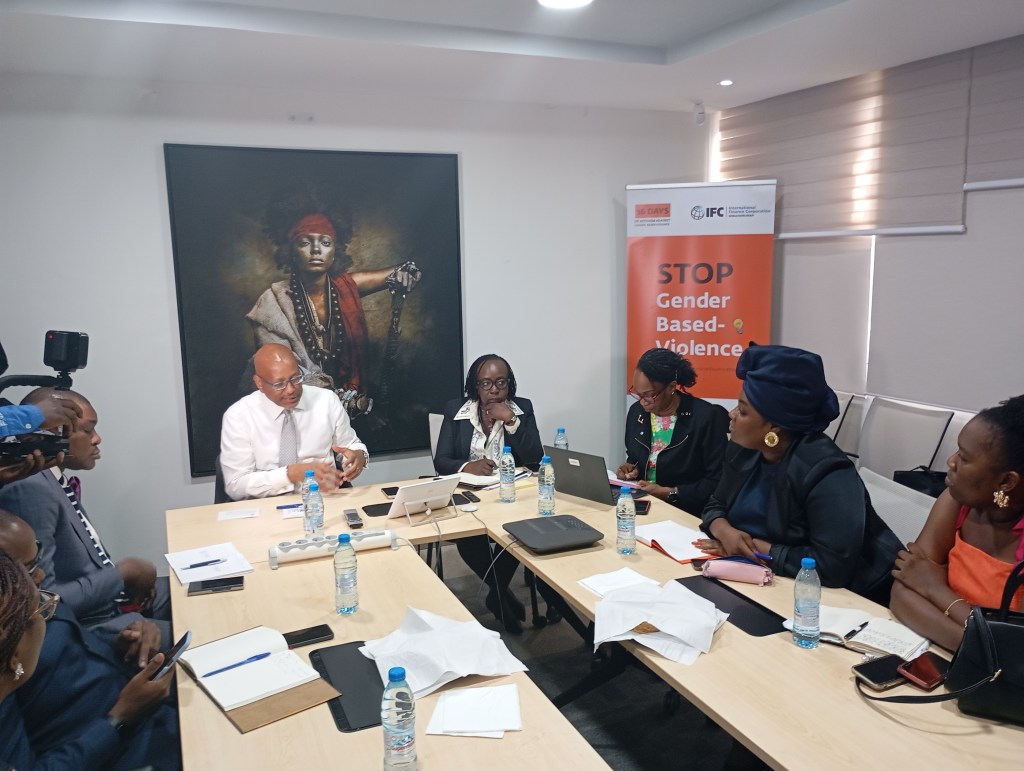
She explained that, after a few years, many employees leave for better-paying opportunities, leaving businesses to search for new talent.Additionally, Ngako stated that they lose approximately 40% of their produce due to inadequate storage facilities. She further pointed out that financing challenges and high transportation costs, stemming from poor road infrastructure, hinder their growth.Roland Fomuncham, CEO of Green House Ventures, expressed concern over perceived favoritism in government support for young entrepreneurs, stating that some individuals receive preferential treatment while others do not.The IFC’s leaders’ program includes several high-level exchanges with public authorities to discuss investment-friendly reforms, along with meetings with business leaders, banking officials, and young entrepreneurs.
The goal is to identify strategies that can stimulate innovation, growth, and job creation in economically constrained environments.This visit coincides with the IFC’s gradual expansion in Cameroon. By the end of March 2026 the institution aims to maintain a portfolio of approximately 169 billion FCFA in the country, with ambitions to inject nearly an additional 300 billion FCFA by 2027. This growth will be accompanied by increased collaboration with local banks, particularly in strategic areas such as agrifinance, financing for SMEs, renewable energies, and climate risk management.
 Visionary Reports
Leave a comment