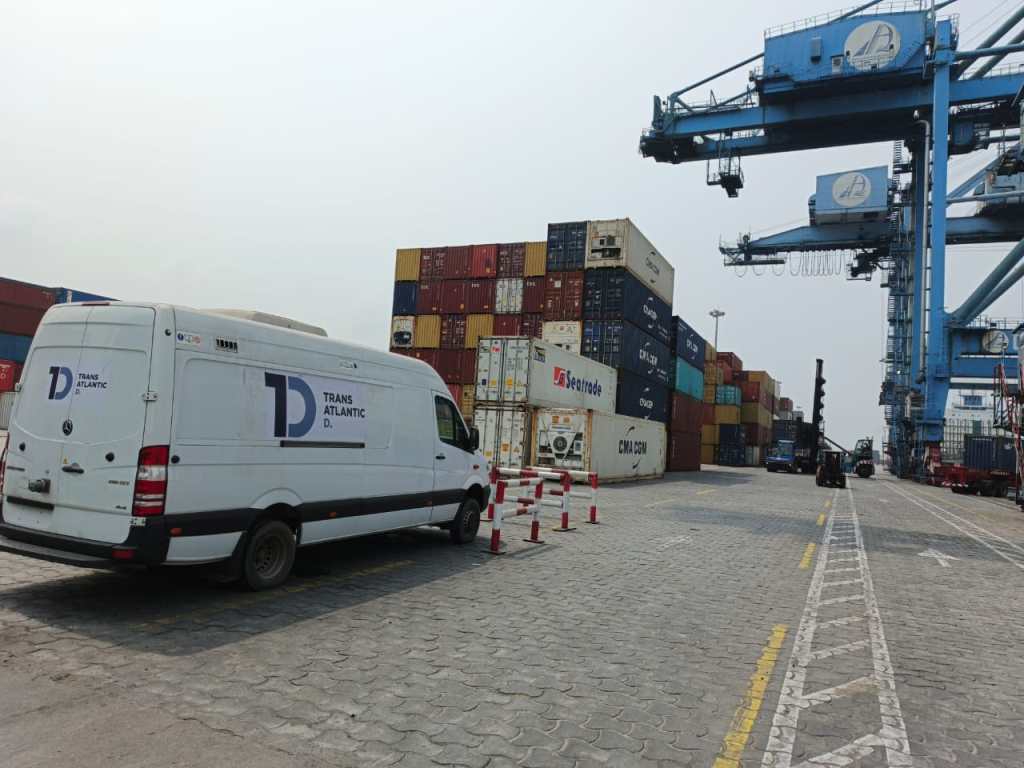
The Douala Port Authority (PAD) has officially transferred control of non-intrusive inspection and scanning operations of cargo containers at the port to the newly appointed concessionaire, Transatlantic D. This transition, confirmed during a media site visit to Transatlantic D’s office within the port, marks the beginning of a permanent operational phase set to start on January 14, 2026. The move signifies the end of a contract with the former scanning provider, Société Générale de Surveillances (SGC), which had been in place since 2015.Transatlantic D announced that the move into this new phase follows a transitional period where technical systems were deployed and procedures tested without significant disruptions to port activities. This ensures that cargo handling operations continue smoothly at the Port of Douala-Bonabéri.“With the permanent phase now in force, scanning operations will be conducted in strict compliance with all operational, security, and regulatory requirements,” stated a company release.The shift to a 100% scanning control system comes in response to growing concerns over smuggling and counterfeiting, driven by weaknesses in border control. The initiative aims to enhance customs verification and improve revenue collection for inspected goods.A recent contract signed between the Port Authority and Transatlantic D underscores Douala Port’s strategic importance in the Gulf of Guinea, as it seeks to maintain its reputation for timely and regulated transactions that meet international standards.
Changes in Billing Procedures
Beginning January 14, all scanning services will be billed directly by Transatlantic D. This new billing approach includes mandatory scanning procedures, including cargo data integration and regulatory validation—culminating in the generation of scanning invoices.Emmanuel Tagne, an IT Engineer at Transatlantic D, addressed user concerns regarding the automation of scanning procedures and payment methods during the site visit. He highlighted that all containers will be scanned systematically upon discharge from vessels in a process that takes about one minute.“After being scanned, containers are promptly stored, significantly reducing the time spent in the previous system,” Tagne explained.

Flexible Payment Options
On the payment front, Transatlantic D has introduced flexible methods to facilitate transactions. Payments can now be made in advance, as soon as Bills of Lading are available, typically 48 hours before the vessel’s arrival. Users can pay directly at the company’s offices, through bank transfers, or via MTN Mobile Money. For remote payments, users must send proof of payment to the company’s billing service to ensure timely processing of scanning validation.Transatlantic D has expressed its commitment to adhering to international standards, aiming to improve security, traceability, and transparency within the port logistics chain. The company also reassured port users of its ongoing support as it transitions into this new operational phase.
Looking Ahead
As Douala Port moves forward under Transatlantic D’s management, stakeholders are optimistic about the enhanced efficiencies and security measures introduced through the new scanning system, marking a significant evolution in cargo operations at one of West Africa’s key maritime hubs.
 Visionary Reports
Leave a comment