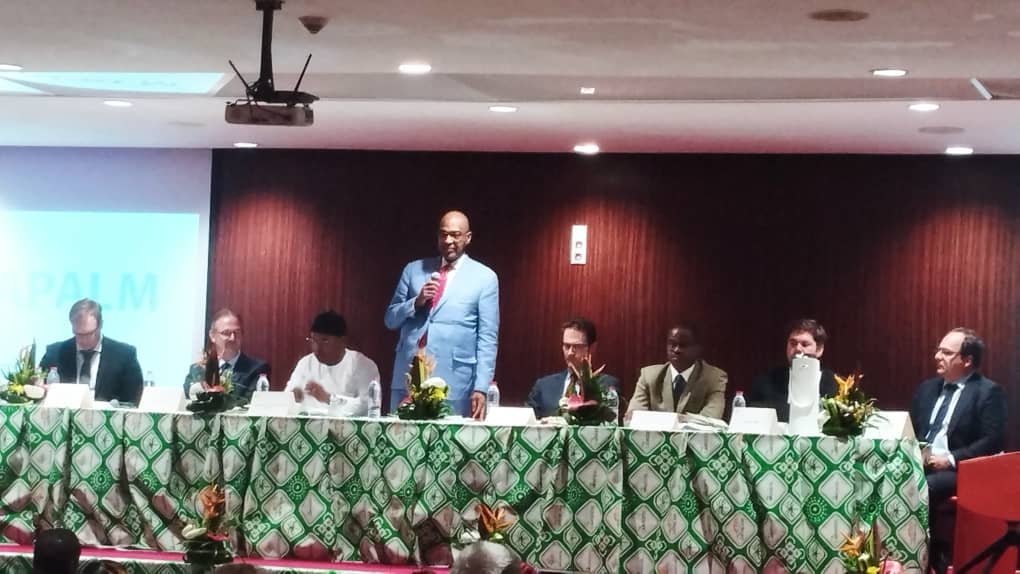
Cameroon is currently grappling with a structural palm oil deficit exceeding 700,000 tons per year. To bridge this gap, the Cameroonian Palm Oil Company (Socapalm) has announced an ambitious roadmap to elevate its annual production to 200,000 tons this 2026.The contrast in the sector is striking. While domestic production rose by 11.7% in 2024 to reach 446,984 tons, national demand has surged to 1.17 million tons. This leaves a massive shortfall of 723,016 tons, forcing the country to rely heavily on expensive imports. During the ordinary session on January 9, 2026, in Douala, Socapalm CEO Frédéric Augé outlined a large-scale response to this crisis during their ordinary session for the 2026 fiscal year. By targeting the 200,000-ton milestone, the company aims to transition from simple internal growth to becoming a cornerstone of national food security.”100% of the palm oil produced by Socapalm in Cameroon is sold on the local market,” Augé emphasized, addressing concerns regarding potential exports during a domestic shortage.
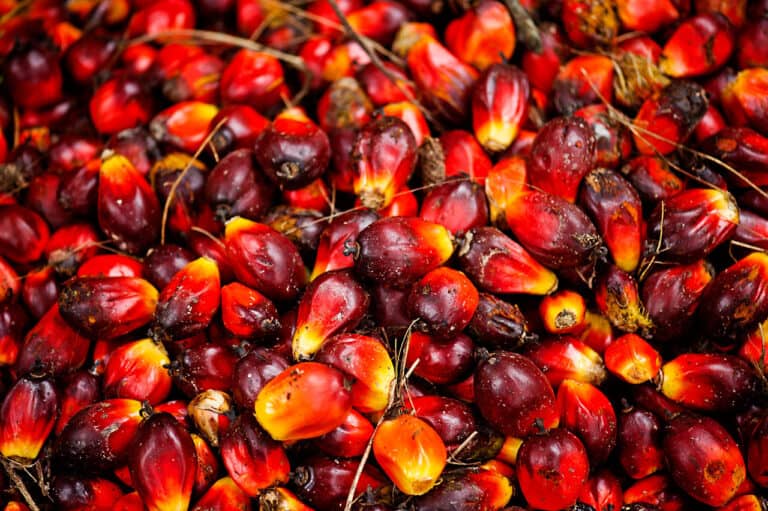
In 2023 alone, Cameroon imported over 144,000 tons of palm oil to prevent stockouts. Socapalm’s strategy to counter this relies on two main pillars: Replacing aging, unproductive trees with high-yield varieties. Upgrading extraction units to meet modern efficiency standards, supported by a 21.7 billion FCFA government stimulus plan (2024–2026).However,while Socapalm focuses on replanting, prominent economist Dr. Jean Marie Biada argues that intensification through fertilizers and better seeds is not enough. He contends that the state must take decisive action regarding land assets.Proposed Solutions include but,not limited to the following;Production stalled below 300k tons.Government must release large-scale land reserves. Fertilizers alone cannot bridge the 700k ton gap. Doubling or tripling cultivated areas to hit 1M tons by 2035. Gabon’s Olam received 50,000 ha to become a net exporter. Utilizing low-altitude coastal areas for optimal growth.”Increasing the yield is not only linked to fertilizers,” Dr. Biada notes. “The solution lies in extending cultivated surfaces. If the state dedicates specific reserves to palm oil—similar to the Olam model in Gabon—Cameroon could produce one million tons annually before 2035.”The transition is not without friction. The felling of old palm trees has sparked tension with local communities. In response, Ludovic Saint-Pol, Communications Director of the Socfin Group (Socapalm’s majority shareholder), highlighted the need for robust Corporate Social Responsibility (CSR) policies to improve dialogue and anchor industrial projects socially.Adding to this new era of governance, Socapalm’s newly appointed Administrator a member of Parliament faces high expectations. His role is seen as a vital bridge between the private sector and the government to negotiate the land assets necessary for expansion.”We have many challenges: development, oil yields, and gender restructuring,” the new Administrator stated. “It is a teamwork effort to ensure the company contributes to the well-being of Cameroon.”Furthermore,the stakes go far beyond agriculture; they involve economic stability and food sovereignty. The palm oil sector is a three-link chain:The first link currently struggling for land. The second link (soap and vegetable oil manufacturers) currently operating under capacity due to raw material shortages. The third link ensuring products reach the consumers.For Cameroon to stop the drain on foreign exchange reserves and feed its processing industries, the spectacular performance of Socapalm must be met with aggressive government land reforms. Without expanding the physical footprint of the plantations, the goal of self-sufficiency may remain a distant prospect.
 Visionary Reports
Leave a comment