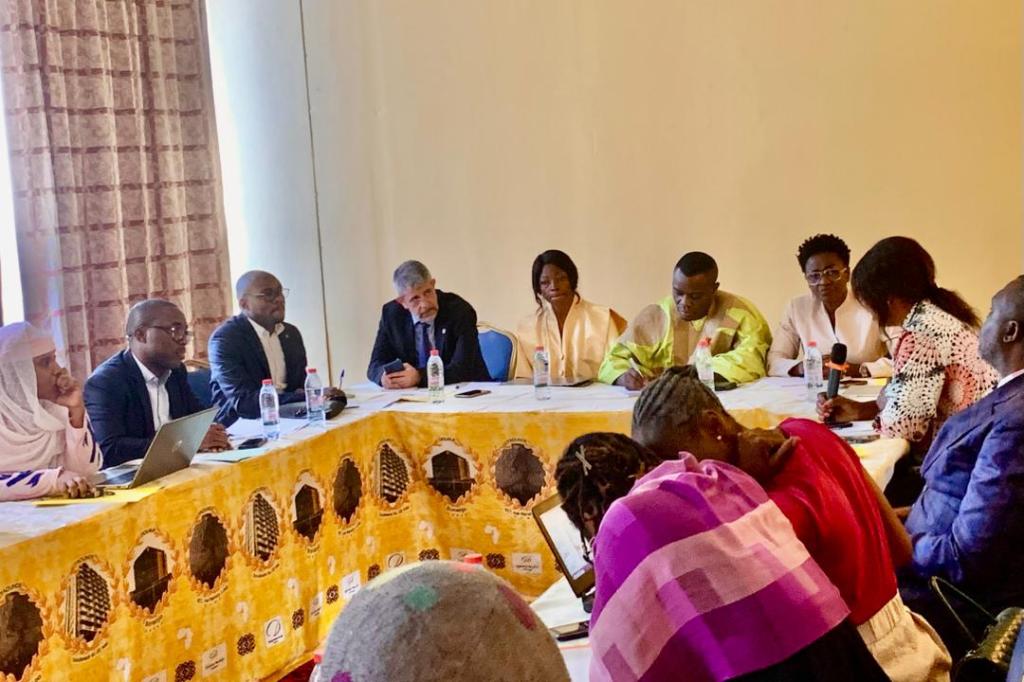
The Health and Development Consultancy Services ( HEDECS ) in collaboration with UNAIDS, convened a critical workshop ain Yaoundé on December 10, 2025. The workshop which was aim to advocate for the needs of clients regarding HIV-related services brought together key stakeholders, including the Permanent Secretary of the National AIDS Control Committee (NACC), UNAIDS representatives, and various civil society organizations.The workshop was propelled by presentations outlining findings from Community-Based Organizations (CBOs) that manage the dispensation of antiretroviral therapies (ART). Several beneficiaries shared their experiences with the adverse side effects of certain HIV medications, urging for recommendations that could help mitigate these issues. The NACC permanent emphasized potential pathways forward.The executive director of HEDECS madam Bolima Nancy explained that the workshop underscored significant challenges prompted by declining international donor funding for AIDS responses She said this year’s year’s observance of World AIDS Day did not only spotlight the repercussions of funding reductions but also celebrate the resilience of communities striving to maintain their hard-won progress against HIV/AIDS.During the round table discussions experts warn that a historical financing crisis is looming, threatening to undo years of progress in HIV prevention and treatment. They regretted that essential community services, vital for reaching marginalized populations, are being deprioritized, leading to potential disruptions in various HIV prevention initiatives. The recent upheavals in the global AIDS response illustrate that, despite advancements, there is still substantial work needed to achieve the goal of ending AIDS by 2030.
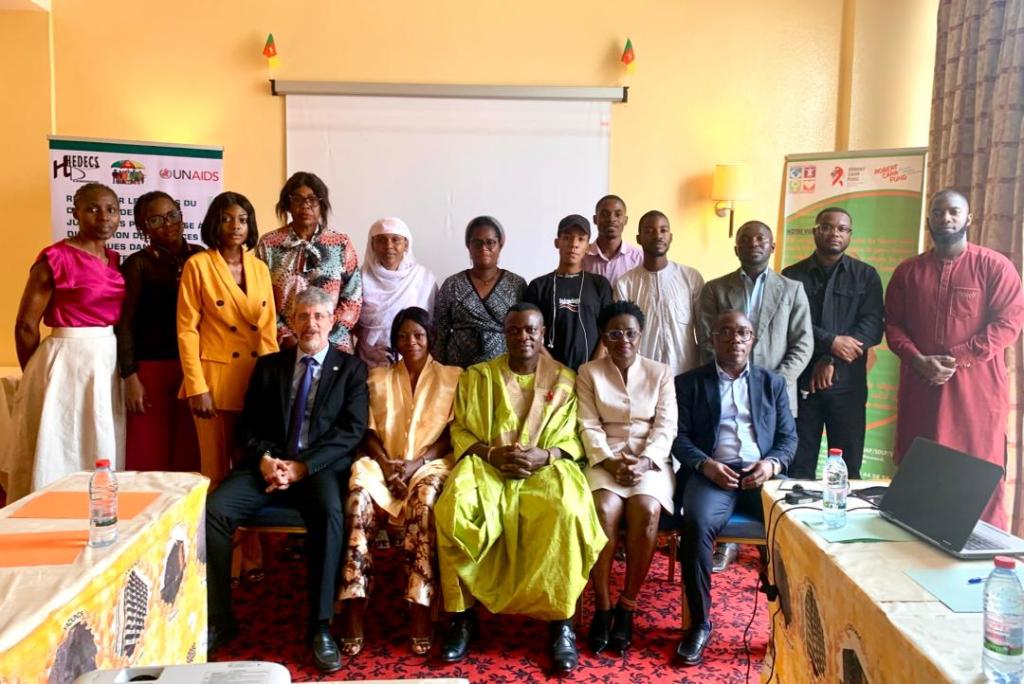
The consensus among experts was clear: addressing these structural inequalities demands robust political leadership and innovative solutions. The fight against HIV/AIDS cannot rely solely on national resources; it necessitates increased support and creative approaches to expand access to essential HIV services, combat stigma, and safeguard the rights of key populations.Community involvement is also more crucial than ever for sustaining interventions and generating vital data to inform health policies. It also emerged from the discussions that since late 2023, many CBOs dispensing ART have reported adverse effects from current first-line ARV protocols, leading to treatment interruptions for some beneficiaries.
Moreover, Cameroon’s commitment to combatting the AIDS epidemic includes a focus on gender equality. This aligns with UNAIDS’s goals to empower women and girls while addressing poverty and reinforcing gender-focused institutions. In line with this commitment, UNAIDS and MINPROFF are collaborating on a second assessment of gender considerations in the national HIV response. The anticipated findings aim to bolster a multisectoral approach, enhancing stakeholder capacity to integrate gender dimensions into their projects. Leaders and communities must unite and tackle the ongoing challenges in the fight against HIV/AIDS. Maintaining and accelerating progress is essential for a healthier future for everyone.
 Visionary Reports
Leave a comment