With unprecedented connectivity and manipulation tactics, a new report reveals the alarming rise of misinformation during the electoral period, challenging the integrity of public discourse.

During the electoral period in Cameroon, there was a significant increase in disinformation activity, characterized by the widespread circulation of misleading, partisan, and hateful content on social media, and to a lesser extent, traditional media. While this phenomenon was also observed during the 2018 presidential election, it took on a new dimension in 2025, driven by a substantial rise in digital connectivity and the complexity of information dissemination channels. According to the ADISI-Cameroon/CFI-Media report published on April 22, 2024, as part of the TalkPaix project, the Internet penetration rate in Cameroon rose from 11% in 2017 to 43.9% in 2024, with an average annual growth of 7.85%. This increase coincided with a rise in misleading information both online and offline.The report, presented by ADISI Cameroon in partnership with Data Cameroon and Data Check through the PPII, indicated that Cameroon experienced its first truly hyper-connected presidential election. This shift transformed the October 12, 2025 election into a comprehensive “crash test” for information integrity. The presentation on December 10 in Douala highlighted that the election was not only decided at the ballot box but also on screens, with the observed information frenzy being a structural feature rather than mere background noise.Additionally, the report indicated that connectivity acted as a risk catalyst. The expansion of Cameroon’s digital footprint has increased the public sphere’s vulnerability. While mass access to information democratizes debate, it has simultaneously opened the floodgates to industrial-scale manipulation. The report revealed unprecedented exposure of public opinion to malicious content, amplified by algorithmic virality that current regulatory mechanisms struggle to contain.The report confirmed the observations of the preliminary report from September 2025 and identified four major trends that plagued the campaign. Firstly the Industrialization of Political Fake News which included the use of influencers and opinion media to massively disseminate false information. Secondly digital tribalism which saw hate speech as been weaponized to polarize audiences along ethnic lines, threatening social cohesion.
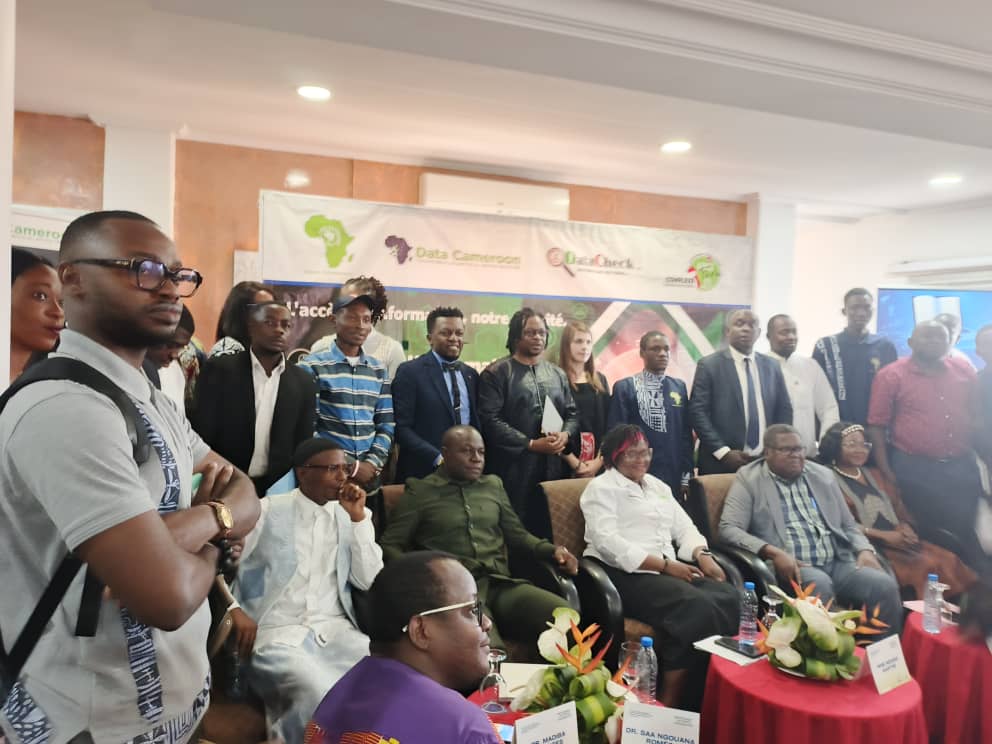
More so, external Interference saw the emergence of “transnational narratives” shows that national debates are permeable to foreign agendas, and lastly systemic Crisis of Confidence which saw a gap dangerously widening between citizens, traditional media, and institutions due to the previous points.Addressing these findings, Paul Joel Kamtchang, founder and CEO of Data Cameroon Sarl, emphasized that the report serves as an advocacy tool to empower people to make informed choices. He noted that the presentation of the final report marks a pivotal stage in the Partnership for Information Integrity (PPII). Beyond observations, it lays the groundwork for sustainable and coordinated action on multiple fronts, such as, strengthening media and civil society capacities in information verification and media education. Creating a permanent observatory on electoral disinformation and political narratives. Developing innovative digital tools for detecting and neutralizing false information and promoting South-South and institutional cooperation on information integrity and digital governance.The event also featured a roundtable discussion moderated by Professor Madiba Georges, where panelists addressed aspects revealed in the report. Professor Atenga Thomas analyzed the mechanisms behind the circulation of false information, while Ndiang Marthe shared findings from Data-Check’s work during the electoral period. Madam Ndongmo Sylvie provided WILPF perspective on the effects of informational distortions on communities, and Dr. Saa Ngouana Roméo offered sociological insights into the narratives influencing public perceptions.
 Visionary Reports
Leave a comment