The Bali Arts Market, affectionately known as ‘BALAMA,’ is set to stage its 10th edition from December 11 to 14, 2025, transforming the streets of Douala into a vibrant showcase of African creativity. Thousands of attendees are expected to valorize the work of artists from within the city and internationally.The milestone 10th edition centers its theme around the powerful concept: “Art, a powerful lever for development for an emerging Cameroon.”However,BALAMA aims to demonstrate how creative industries are more than just cultural expression; they are drivers of economic and social progress. The organizers highlight art’s potential contribution to development through three main pillars: With over 250 ethnic groups, Cameroon’s rich diversity is a national treasure. Events like BALAMA and the annual Ngondo festival are essential for preserving traditions, strengthening national identity, and promoting heritage to a global audience, thereby boosting cultural tourism. Investing in creative industries—including visual arts, music, film, and fashion can generate substantial revenue.

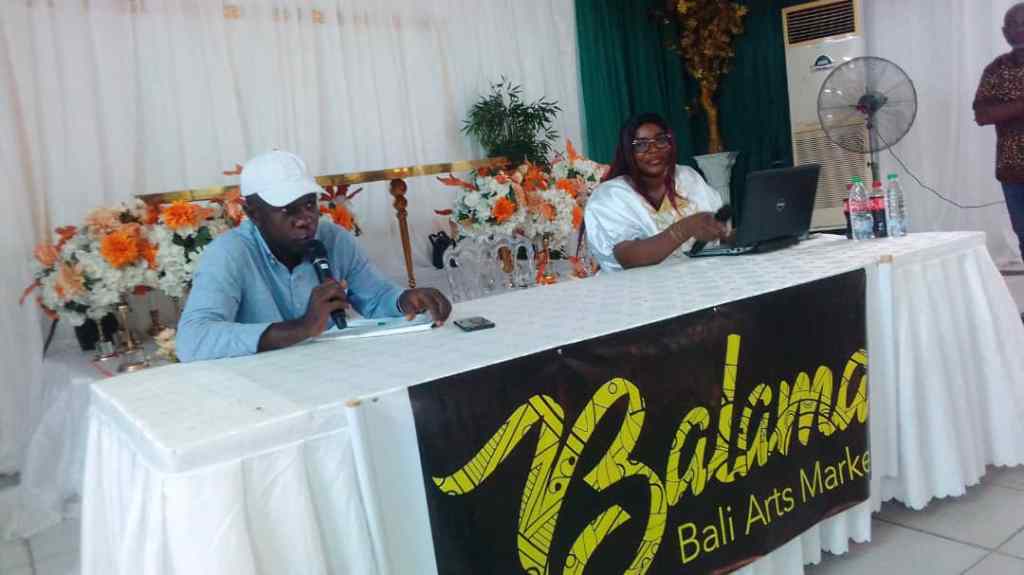
BALAMA provides a direct platform for Cameroonian artists (painters, sculptors, designers) to access international markets and helps create local jobs for young people through crafts and cultural enterprises.Art serves as an effective tool for social change, raising awareness on critical issues like health, environment, and equality. Through art schools and workshops, it trains young people and equips them with valuable skills for the future.Speaking at a press conference on Tuesday, December 9, 2025, Winnie Bolla, a co-organizer of the event, expressed hope for the future but candidly lamented the persistent lack of governmental support.She underscored the dedication required to sustain the event: “To hold a project like this for 10 years, without ever having been able to do it, even during the COVID-19 pandemic, we have always done it by hand. And until now, the market of art has not been supported, has not been elevated, has not been supported by the authorities or by the government.”Bolla noted the irony of the situation, given BALAMA’s international reach: “We have Indian people, French people, Germans, South Africans, Chadians, they appreciate our art. But just here, really, for me, it’s not a lot of anger, but it’s a little bit of passion for those who are with me since the beginning.”Despite the financial burden, she expressed pride in the market’s impact, citing artists who have been selected on the BALAMA stage and subsequently secured international tours and sales.Moreover,in the face of “limited space for exhibition and visibility of art products,” BALAMA strategically sets its decor in the street, embracing its role as a space open to all encounters.BALAMA (Bali Arts Market) is an open-air arts market, deliberately aiming for creative expressions to catch the eye of both the casual passerby and the art professional. It is a key platform designed to: Enable direct sales and exhibitions to the public, collectors, and gallery owners.Present creations and shows to professionals, festival directors, and cultural event programmers.Present and sell products and services to the public, artists, and other sector professionals.The great achievements of BALAMA over the years span across music, dance, theater, fashion, plastic arts, and cinema.Nevertheless,activities such as Visual artworks, fashion accessories, books, comics, music/film CDs/DVDs, and cultural products. Music, dance, theatre, and performance shows. Conferences and debates, training workshops, professional meetings (Master Classes). Cinematographic screenings, fashion shows, gastronomic workshops. Raising awareness and educating people about the problems and obstacles inherent in the work of artists.
 Visionary Reports
Leave a comment