On August 12, a media café event was held in Douala focused on the environmental health of children. Journalists participated in discussions and training sessions aimed at enhancing their understanding of environmental issues affecting children’s health.
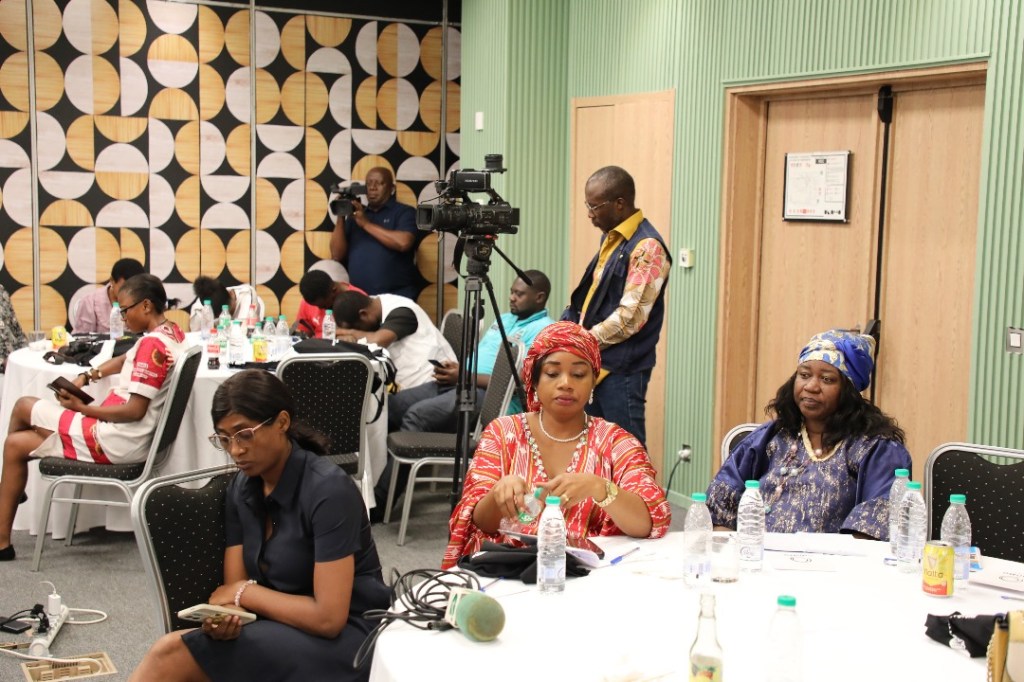
Media practitioners in the Littoral region have been drilled on the environmental health of children, with particular emphasis on lead contamination risks. This was during a one-day media café event to sensitize the media and key stakeholders in health and environment on the adverse effects of lead exposure on children’s health and pregnant women, in a context marked by growing urbanization, informal industrial activities, and inadequate toxic waste management. Lead is a toxic metal found in small amounts in the earth’s crust. It is used in the production of what is commonly called “macotcot pot”. It is also found in paint and other substances. According to UNICEF (2025), significant progress made in child survival over the past 30 years is threatened by climate change and environmental degradation. Child morbidity patterns are evolving, and children are facing multiple overlapping risks due to climate change, air pollution, exposure to toxic chemicals and waste, hazardous built environments, and antimicrobial resistance.
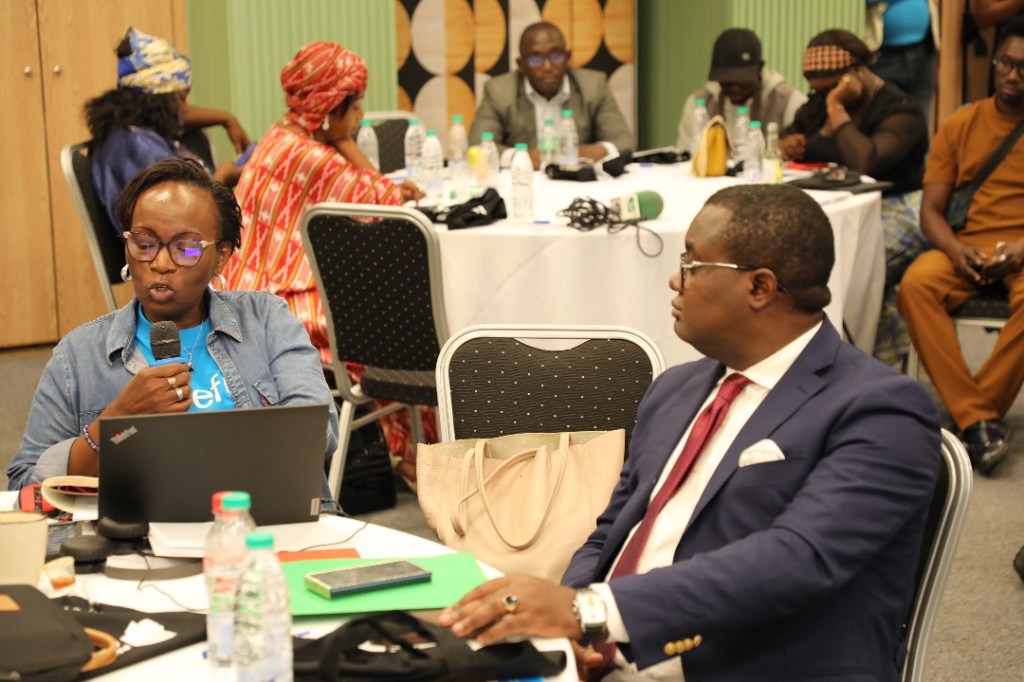
During the press café, the UNICEF health expert, Dr. Ngum Belyse Hamata disclosed that lead is a metal present in the environment that is dangerous to the body. “We live with it, but we still need to avoid prolonged exposure to lead. We have seen that when it comes to lead poisoning, treatment is no longer possible once it’s installed; it’s not reversible, and there is nothing we can do. We have also seen that even when lead is present in the body, in the blood, it’s still difficult to manage. So, the only way is prevention.” She added that children and pregnant women are more exposed, thus there is a need to protect this group of people against lead poisoning.The Regional Delegate of Public Health for the Littoral, Ngo’o Mebe, Saurel affirmed that lead poisoning affects the growth and development of children as well as pregnant women. He said it was important for all to put hands on deck to fight against lead poisoning. The Divisional Delegate of Environment and the Protection of Nature, Wouri, Mr. Lemnyuy William, explained that they have taken measures to protect the environment from lead poisoning. “Protecting children from environmental risks like lead exposure is guaranteeing their fundamental right to grow up healthy, learn, and thrive. Every prevention action today is an investment in Cameroon’s future,” said Nadine Perrault, Representative of UNICEF in Cameroon.
 Visionary Reports
Leave a comment