A report on the recent three-day strike by Cameroonian lawyers, which took place from March 5 to 7, 2025 was presented on Tuesday, May 27, 2025, in Douala.
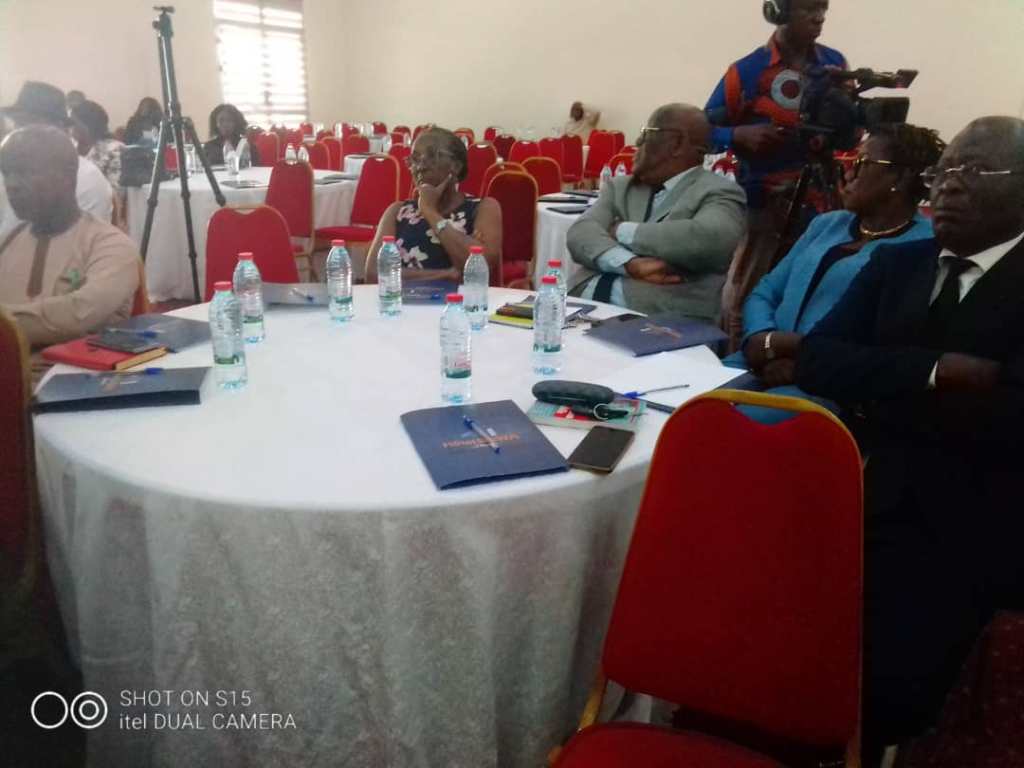
The event, attended by the President of the Bar and numerous legal professionals, focused on evaluating the industrial action and strategizing for improvements within the justice system.Article 74(1) of the Bar’s internal regulations emphasizes the pivotal role of lawyers as “auxiliaries of justice and essential players in the universal practice of law.” This principle underscores their broad professional mandate across all aspects of civil, economic, and social life, demanding adherence to the core tenets of their profession. This foundational principle underpinned the recent strike by the Cameroon Bar, which garnered significant support from fellow lawyers, understanding from judges and tribunals, and goodwill from clients. The widespread dissatisfaction among lawyers was a clear driving force behind their collective action.
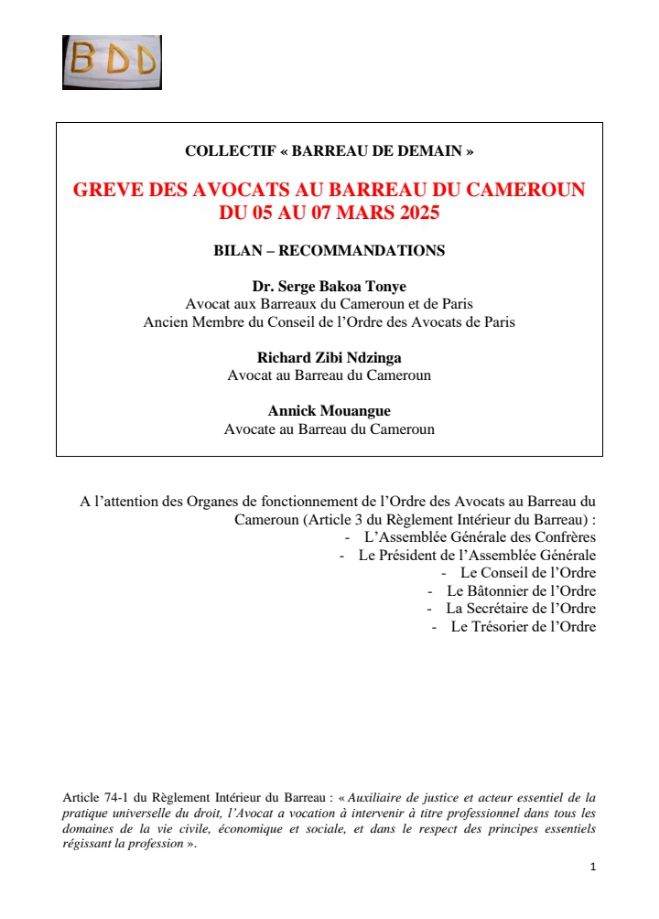
Despite the apparent solidarity, there was a noticeable absence of official engagement between lawyers and public authorities during the strike. Neither formal initiatives from lawyers nor official responses from authorities were reported. Consequently, the strike’s effectiveness in achieving conclusive results and all desired objectives remains unproven. Lawyers provide a vital public defense service, safeguarding fundamental rights and freedoms, ensuring equality of arms, and maintaining a balance of rights. Protecting their physical integrity is paramount and requires the swift implementation of a comprehensive short-, medium-, and long-term action plan. This plan aims to de-escalate tensions in their interactions with law enforcement agencies and, crucially, to solidify the indispensable role of lawyers in the proper administration of justice in Cameroon.
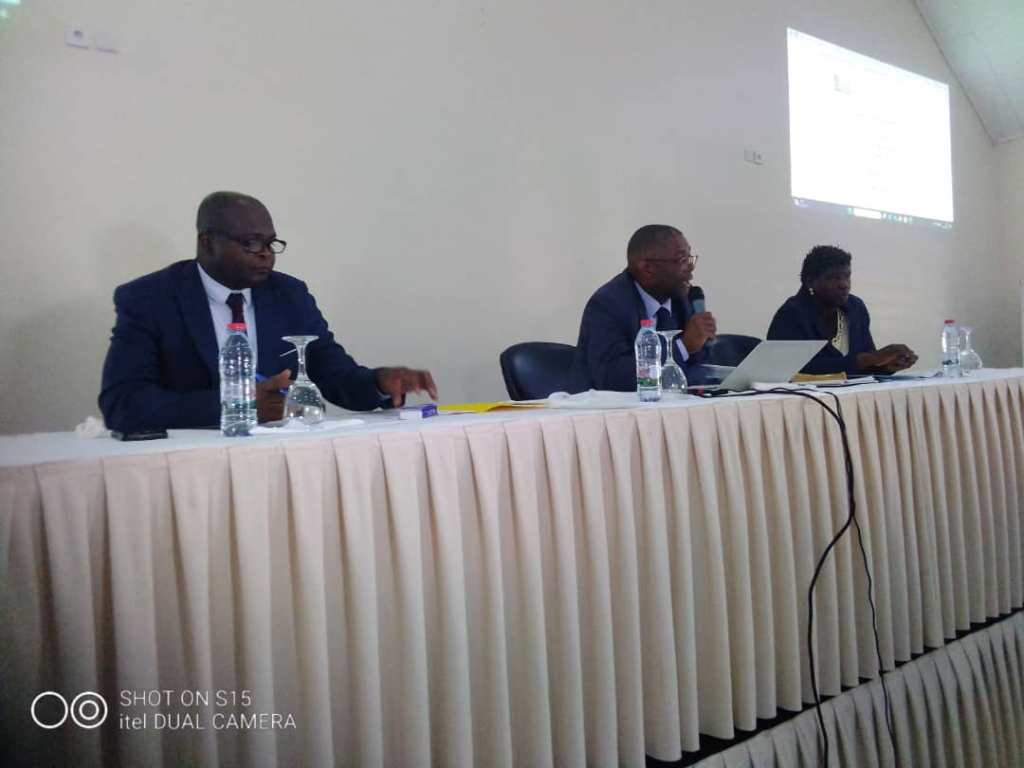
However,the strike’s origins trace back to March 3, 2025 , when the President of the Cameroon Bar Association issued a press release outlining the decision to:Initiate legal proceedings against law enforcement officers responsible for violence against lawyers,Suspend the wearing of court robes and prohibit attendance at courts for three days, from March 5 to 7, 2025, across the entire country.The “Bar of Tomorrow” collective, an organization formed over three years ago to advance professional practices for lawyers, took the initiative to assess the strike and propose constructive solutions to the ongoing crisis. Their efforts included:Publishing and distributing a “vade-mecum for striking lawyers”in both French and English on March 3, 2025. This guide provided lawyers with essential guidelines for conduct during the strike and communication strategies for engaging with clients and other stakeholders,Establishing a dedicated hotline to offer advice and support to lawyers throughout the strike period,Inviting lawyers to provide feedbackon the strike’s execution, their personal experiences, and the reactions of their various contacts.Meanwhile,Serge Bakoa, a Doctor of Laws, Attorney at both the Paris and Cameroon Bars, and former member of the Paris Bar Council, offered his perspective on the strike’s key takeaways:”What we take away is that in a context where our country faces major challenges—major economic challenges, major social and sociological challenges—the role of the lawyer is a driving force for our emergence. For this reason, our authorities and lawyers must sit down together to decide, in co-construction, how to build this country.” He further emphasized, “in the medium term, we have major reforms underway, notably the reform of the 1990 organic law, which is currently in draft form in the National Assembly. This is an opportunity for us to raise our various issues.”In light of these insights, the Bar has put forth several recommendations for improving the quality of justice in Cameroon, categorized by their proposed timeframe: Emphasis on dialogue between lawyers and public authorities, Focus on crucial legal issues including a comprehensive review and rewriting of the penal code and Advocating for a broad consultation aimed at overhauling the entire justice system.By fostering continuous dialogue, enacting meaningful legislative reforms, and ultimately holding comprehensive discussions on the future of justice, Cameroon can pave the way for a more effective, equitable, and respected legal system.
By Wana Henry
 Visionary Reports
Leave a comment