Cameroon is charting a new course towards a greener maritime future
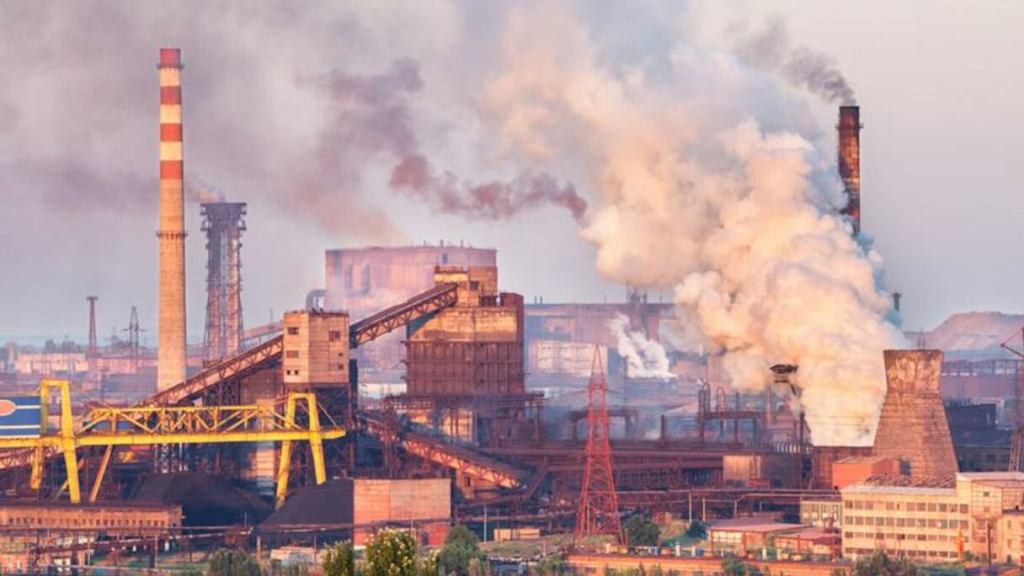
A crucial two-day national workshop is underway in Douala, has brought together a wide array of stakeholders to confront greenhouse gas emissions emanating from the nation’s vital maritime and port sectors. Organized in partnership with the International Maritime Organization (IMO), the gathering’s central objective is to forge a comprehensive national strategy that mirrors the IMO’s ambitious 2023 Revised Strategy, which calls for carbon neutrality in international shipping by approximately 2050, with significant interim targets for 2030 and 2040.The urgency of the situation was powerfully articulated by Mr. Albert Eoussa, Deputy Director of Maritime Transport at the Ministry. “The maritime sector, though indispensable to our economy, is concurrently a substantial source of greenhouse gas emissions,” Mr. Eoussa emphasized. “This reality makes our collective mobilization not merely timely, but absolutely vital.”Providing a global perspective, international maritime lawyer Linda Ngugi highlighted the sector’s considerable environmental footprint, noting that it currently accounts for 3% of worldwide emissions. She underscored the workshop’s pivotal role in bolstering Cameroon’s capacity for climate change mitigation within its shipping industry. This enhanced capacity is crucial, Ms. Ngugi explained, for enabling national experts to draft a robust National Action Plan that seamlessly integrates with the United Nations Sustainable Development Goals. Furthermore, Ms. Ngugi stressed the IMO’s unwavering commitment to ensuring adequate representation of women in this critical field, striving for a transition that is both just and equitable.

Nevertheless,the workshop is serving as a vital convergence point for a diverse consortium of participants. Representatives from various government ministries, key private sector players within the maritime and port industries, non-governmental organizations, academic institutions, oil and hydrocarbon companies, financial institutions, and international partners all contributed to the dialogue. Their collaborative efforts are aimed at identifying innovative, upstream solutions to drastically reduce emissions of carbon dioxide, methane, and nitrous oxide – potent greenhouse gases primarily originating from ships and port facilities – which are significant drivers of global climate change.
By HENRY WANA
 Visionary Reports
Leave a comment