In a bid to promote environmental sustainability, the Douala City Council has partnered with ONAC to launch initiatives aimed at cultivating a greener Douala.
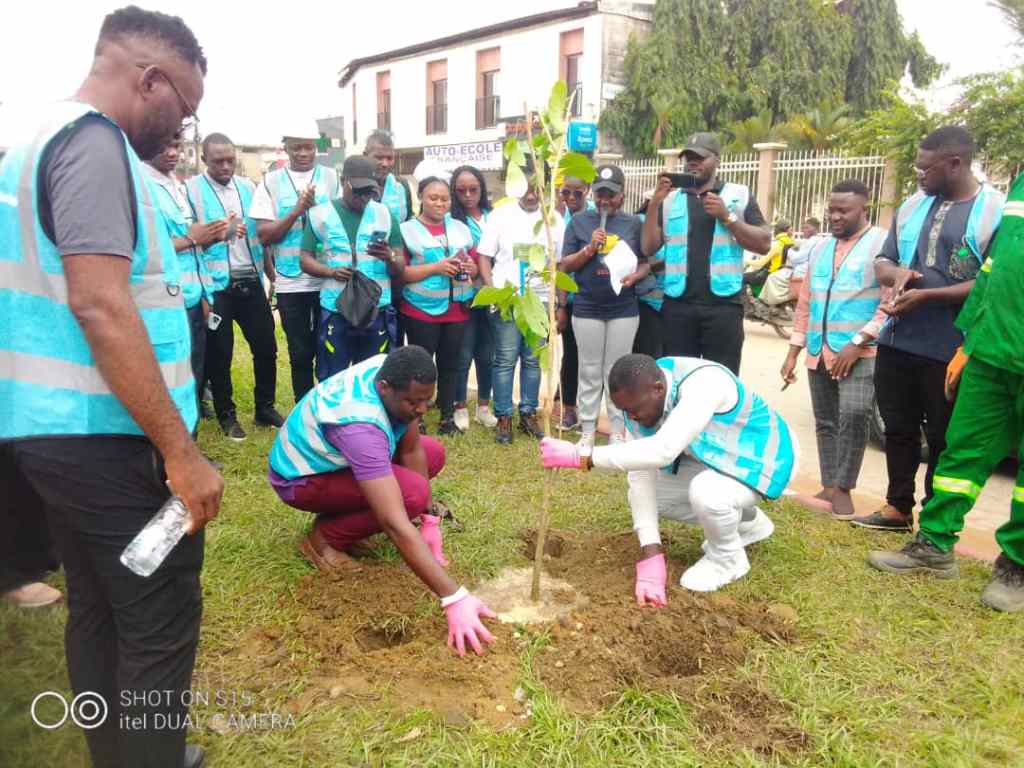
In a significant move marking its golden anniversary, the National Order of Architects of Cameroon (ONAC) has joined forces with the Douala City Council to launch an ambitious reforestation project, signaling a strong commitment to a greener urban future for Douala. On May 3, 2025, this symbolic initiative took root with the planting of the first seedlings along a previously neglected central reservation in Logpom (Douala V subdivision), stretching from the Rhône-Poulenc intersection to the Charles de Gaulle site. ONAC’s undertaking aims to transform this strip of asphalt into a vital “island of freshness,” serving as a tangible demonstration of their dedication during this milestone anniversary.In a city often defined by its sprawling concrete, ONAC’s initiative offers a much-needed breath of fresh air. Spearheaded by the Order’s Golden Jubilee organizing committee in collaboration with the Douala City Council, the reforestation operation champions a progressive vision of urban planning that prioritizes green spaces, sustainability, and resilience. “It’s not just about constructing buildings,” emphasizes Winnie Audrey Kenfack Zankia, architect and project coordinator. “It’s also about cultivating a healthy and sustainable living environment.” This holistic approach broadens the conventional perception of an architect’s role, extending it beyond mere design and functionality.

The selection of Lagerstroemia spp. for this initial phase reflects careful consideration. This ornamental tree, known for its heat resistance and adaptability to urban environments, along with its vibrant flowering and robust nature, makes it an ideal choice for revitalizing often-overlooked urban spaces. “We want trees that not only beautify but, above all, endure. This is a long-term vision,” affirms the architect. Demonstrating a commitment beyond initial planting, ONAC has pledged to maintain and monitor the young trees for three months, ensuring the project’s longevity and impact.This reforestation endeavor transcends a mere public relations exercise. It forms part of ONAC’s broader strategic objective to assert the civic responsibility of architects within society. Too often absent from crucial public discourse, urban planning professionals now intend to actively influence urban development decisions, placing a strong emphasis on environmental considerations and the overall quality of life. “The economic context is undoubtedly challenging. However, this must not make us lose sight of what is essential: the city of tomorrow is being designed today, and it must be more humane, more breathable,” insists the President of the Order. In an era increasingly defined by the challenges of climate change, this gesture carries significant political weight.This urban reforestation initiative echoes the ambitious “Green Sahel” project launched by President Ahmadou Ahidjo in the 1970s. That visionary program aimed to combat desertification and provide shade in the arid northern regions through large-scale tree planting. Fifty years later, Douala, a densely populated megacity, is witnessing a resurgence of this commitment to leveraging trees as a vital tool for enhancing resilience and collective well-being.Meanwhile,Caroline Mballa Mballa, Vice President of the Cameroon National Order of Architects, articulated their vision for a greener Douala, stating, ” witnessing our children walk to school amidst so much dust is disheartening, a direct consequence of excessive concrete development. I believe it’s time to return to our roots, to the greenery that Africa has traditionally respected, understanding its vital role in regulating life. We, the Order of Architects, aim to inspire this understanding among the public and entities capable of funding such programs. The architect’s role extends beyond mere construction. While historically, architects have been primarily associated with buildings, a closer look reveals that architect-designed buildings are fewer than one might imagine. Our expertise lies in understanding why we build, whatmaterials we use, for whom we build, and the value of what we build.”The Logpom project is merely the initial phase of a series of greening initiatives planned throughout ONAC’s anniversary year. Other neighborhoods in Douala are poised to witness similar transformations. The overarching goals are to raise public awareness, mobilize community involvement, and inspire the widespread adoption of sustainable practices. The Order even envisions the potential for a citizen-led movement dedicated to urban greening. As global warnings regarding climate change intensify, Cameroonian architects are demonstrating their commitment through tangible action. By using trees as a powerful symbol, they underscore that responsible land-use planning is inherently linked to ecological responsibility. Through the cultivation of this green space, ONAC aspires not only to transform Douala’s physical landscape but also to cultivate a shift in public consciousness a future where the dominance of concrete gives way to the vital presence of living ecosystems.
By Henry Wana
 Visionary Reports
Leave a comment