A significant step towards improved sanitation in Douala is nearing fruition with the sewage treatment plant project in Ngombe, Douala V subdivision, reaching a 95% completion rate.
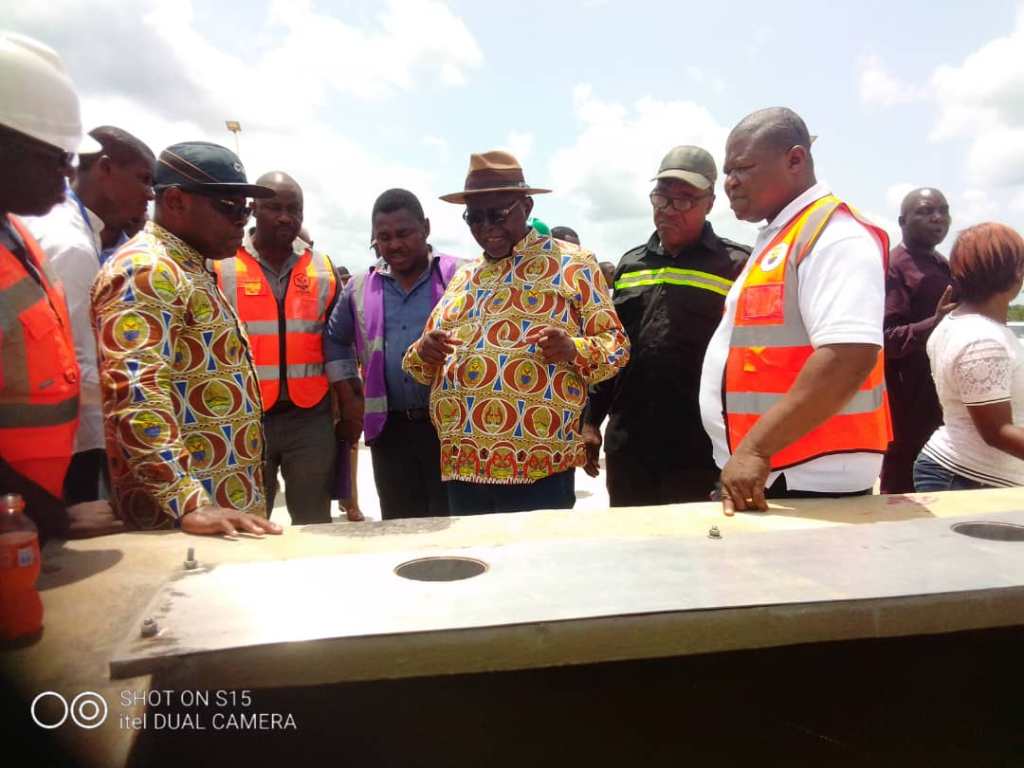
This update was provided on Wednesday, May 7, 2025, during a site visit by a Douala city council delegation led by the First Assistant City Mayor, Dr. Jeremie Solle. The visit aimed to assess the progress and identify any necessary adjustments before the plant becomes fully operational.Dr. Solle emphasized the project’s crucial role in addressing the long-standing challenges of waste management in the city. He stated, “Drains have just been installed. You know that we are human beings. One of our characteristics is to pay for our lifestyle by creating a lot of waste. And we are also like engines. When the engine has taken on gasoline and water, it has to be drained. So, we are obliged to collect this excrement and this waste. And that can pose a major risk to the environment. In parasitology, we would say, in epidemiology, the ring road. And you are all witnesses that in the city of Douala, you know that we generate a cholera epidemic almost every four years. The cholera epidemic is due to the most well-known, the most preponderant determinant: the ring road.”He further elaborated on the broader vision for waste management, highlighting the scale of the challenge in a city with over five million inhabitants generating thousands of tons of waste daily, including solid, liquid, and electronic waste. Dr. Solle acknowledged the engagement of the Belgian community in establishing a comprehensive waste management system. He explained that the 70-hectare site in Bocqueville is intended to be the central hub for this system, encompassing sorting at the household level, collection, transportation, and processing by specialized companies in plastics, organic waste, and electronic waste. This approach aims to move away from traditional landfill practices.The project received crucial financial support through a World Bank loan secured by the Cameroonian government as part of the Resilient and Impoverished Cities project, with Douala being a key beneficiary.Dr. Solle also stressed the importance of public participation in responsible waste management, stating, “Yes, as you can see, it’s really a great infrastructure that has been given to the Douala city by the government. And this structure that we have built up will be useless if at all the technicians that deal with this domain of…” He further explained that the council’s visit was to familiarize the relevant technical personnel with the new technology and management systems to ensure their effective involvement in the project’s operation.The sewage treatment plant itself occupies 10 hectares within the larger 70-hectare site, which will also house facilities for the treatment of electronic and organic waste. The total investment in this vital infrastructure project amounts to approximately six billion FCFA.
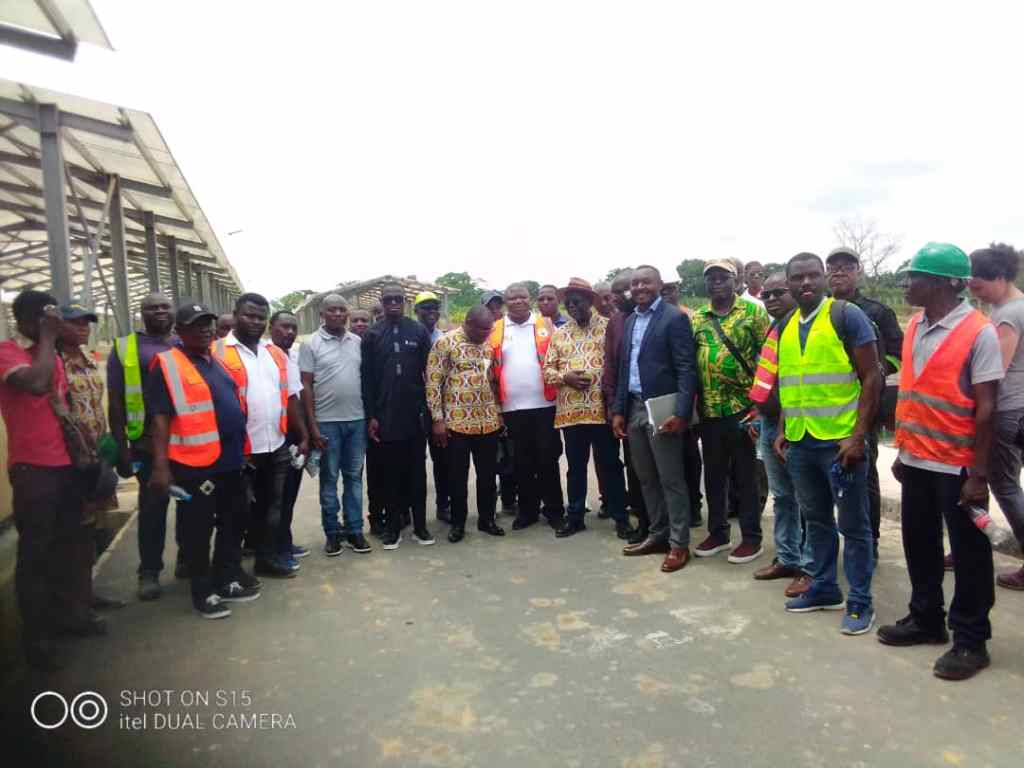
With the project nearing completion, there is significant hope that the operationalization of this sewage treatment plant will drastically reduce the issue of indiscriminate waste disposal in Douala, ultimately contributing to a healthier environment and improved living conditions for all its residents.
The VisionaryReports
 Visionary Reports
Leave a comment