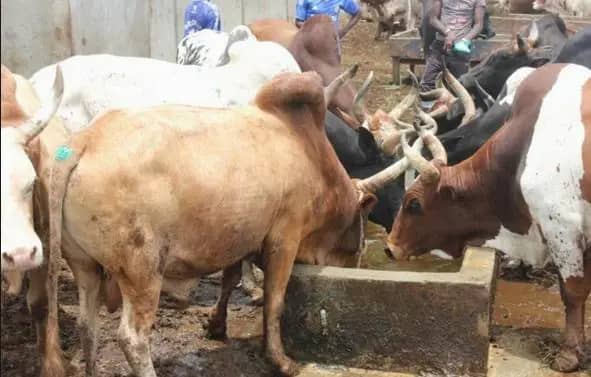
More Beef to be produced
The beef industry in the Littoral Region is on the cusp of a significant transformation, driven by an ambitious collaborative initiative between the City Councils of Edea and Douala. Under the joint leadership of Dr Roger Mbassa Ndine, Mayor of Douala, and Dr Emmanuel Albert Nlend, Mayor of Edea, the project aims to establish a sustainable and robust beef value chain. The Steering Committee, which met for the second time on Thursday 17 April 2025 Douala City Council, announced the official launch of activities within the next two months.At the heart of this collaborative effort, as emphasised by Dr. Emmanuel Albert Nlend, Head of the City Council Executive, is “the establishment of a state-of-the-art feedlot, a well-organised cattle park, a modern market and, most importantly, an industrial abattoir that meets strict international health and fiscal standards”.
According to the head of the Littoral Single Mr Njoya Abega, a clear short-term objective: “to exceed the daily slaughter of 1,000 cattle in the Littoral Region and to achieve a local production capacity of 50,000 cattle per year through the introduction of artificial insemination”. He highlighted the current heavy reliance on imports, citing a report by the Inter-employer Association of Industrial and Inter-professional Cattle Enterprises, which indicates that Cameroon currently imports 95% of its livestock. “Douala and the surrounding areas consume about 1,000 head of cattle every day, but this consumption is not properly organised from a health and fiscal point of view,” said Njoya Abega, head of the Littoral Single Window. This situation highlights the urgent need for a modern production and processing infrastructure capable of guaranteeing the health traceability of the meat while generating local economic value.
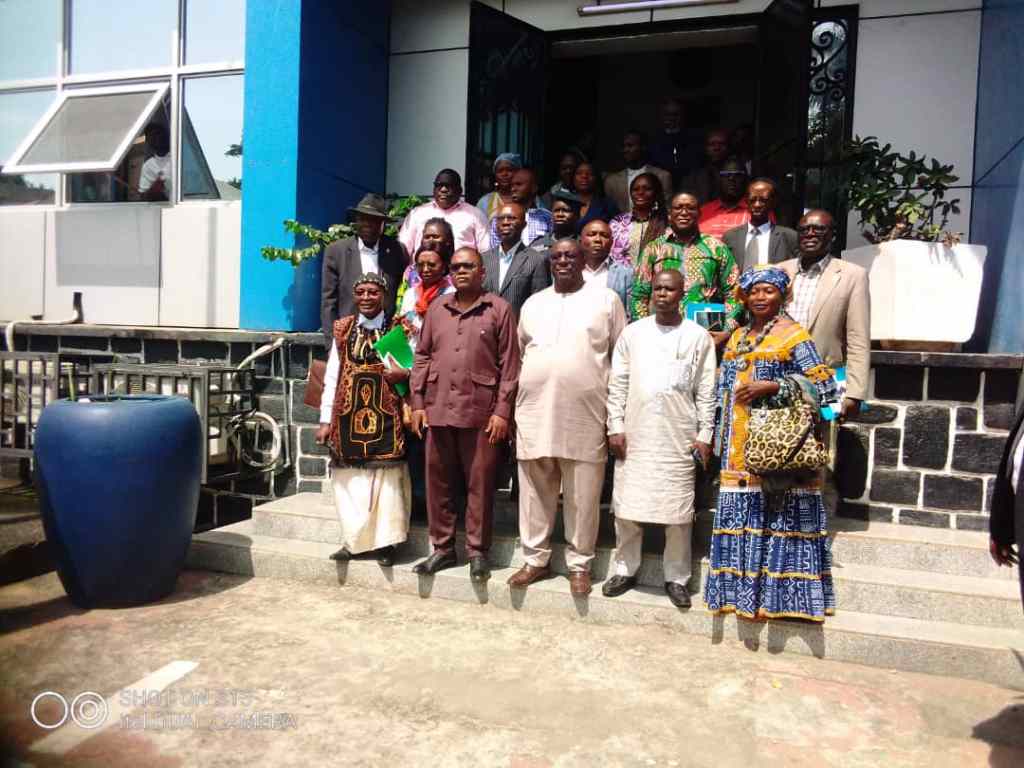
However, Dr Emmanuel Albert Nlend, Mayor of Edea, stressed that the project was based on a “historic cooperation” between his municipality and Douala. “This agreement between our two cities is aimed at realising impactful joint projects, and the structuring of the beef sector is the first crucial step. It will effectively link the cattle production zones of the Far North with the processing and marketing centres of the Littoral Region,” he explained. Identified sites for these facilities include some 60 hectares in Edea, 45 hectares in Dibamba, with additional land to be allocated by the City of Douala. The overall aim is to “modernise livestock farming practices, facilitate transhumance in a more organised manner and link livestock farmers directly to lucrative urban markets”. Beyond the immediate goals of improved production and processing, the project is strategically designed to have a positive impact on local communities. “This initiative is about creating modern infrastructure, providing essential training programmes and, most importantly, creating significant employment opportunities for young people,” said Dr Nlend. The initiative also aims to improve consumer access to beef, both in terms of quality and affordability, while reducing the country’s dependence on foreign imports.
By HENRY WANA
 Visionary Reports
Leave a comment