This was during a one day workshop the took place in Douala on April 7.
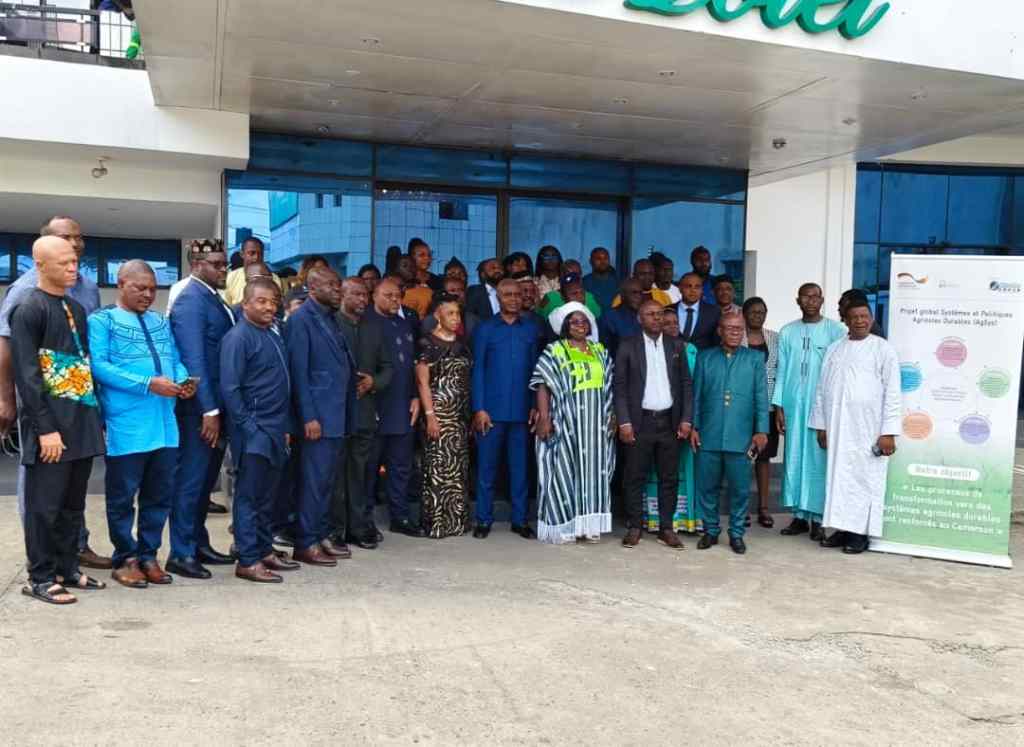
In a global context marked by growing challenges linked to sustainable development, rapid urbanization and climate change, decentralized local authorities play a central role in the planning and implementation of development strategies. In Cameroon, the decentralization process initiated in recent years has given municipalities increased responsibilities in the planning and development of their territories. However, the latter encounter multiple constraints, notably the lack of technical capacities, the insufficiency of qualified human resources, and the complexity of existing planning tools. At the same time, agricultural systems constitute an essential component of territorial planning and development. Cameroonian municipalities heavily dependent on agriculture, face challenges such as food insecurity, land degradation and the effects of climate change. The transition to sustainable agricultural systems then becomes a priority to ensure balanced and inclusive development of territories. To respond to these challenges in connection with better planning of territorial uses at the municipal level which take these issues into account, a guide for the development of local land use planning and sustainable development plans (PLADDT) was designed in 2021 by the Ministry of the Economy, Planning and Territorial Development (MINEPAT), with the technical and financial support of GIZ, through the Basin Change Support Program cotton grower of Cameroon- Rural Development Support Program (ABC-PADER).
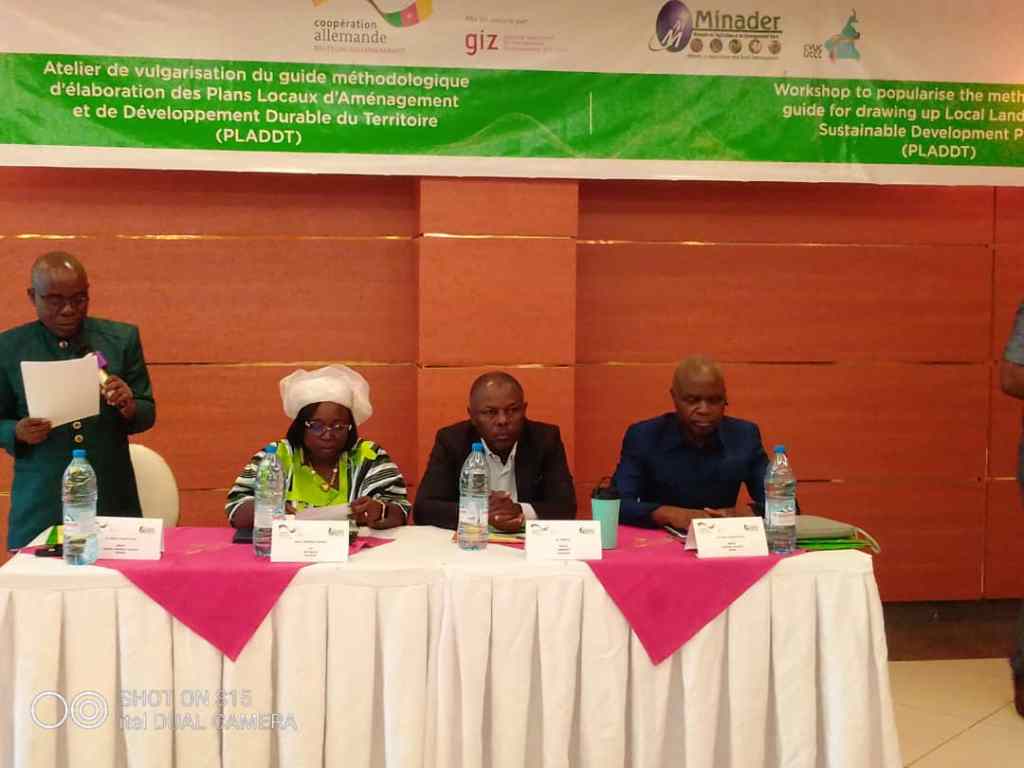
This guide constitutes a practical tool intended to guide municipalities in the design and implementation of PLADDTs, integrated and adapted to their local realities. To ensure effective adoption of this tool by Mayors from the north west and south west regions of Cameroon where in Douala on April 7 for a one day workshop to have a grasp on the guiding principles of the guide and to strengthen their capacities on using the guide. While in Douala, the MINEPAT representative, Mr Ayuk Bate Ernest, said that the workshop was intended to promote the use of the guide for the preparation of local land-use and sustainable development plans by the mayors in order to ensure the harmonious development of the said plans and to strengthen the coherence of local actions in terms of spatial planning with the objectives of sustainable development. For the Mayor of Fundong, Ndang Denis, it was important for them to gain skills in land use because the issue of land is a thorn in their side as they sometimes do not master their plans because they were not part of the planning advisory committee. He said the knowledge gained will enable them to update their community development plan, which is outdated. Meanwhile, Bangem Mayor Ekungwe Christopher said the haphazard use of land doesn’t help development. He added that it is important to plan and map their communities well to have a well-structured layout that can be used for industries, housing, schools and so on. On his part, the Mayor of Kombo Abedimo, Aboko Patrick regretted that sometimes they have projects but lack the appropriate land to allocate. He said that if councils become part of the planning advisory committee, things will improve. He hoped that the guide will enable them to know the elaboration of land use as far as the council is concerned
By GINA ESONG
 Visionary Reports
Leave a comment