
From April 8th to 11th, key stakeholders in the African cotton industry convened in Douala for the 17th session of the Integrated Cotton Production Program in Africa (PR-PICA). The four-day event brought together financial partners and representatives from member nations to assess the current cotton season and collaboratively address critical challenges facing the sector.The meeting focused on several key objectives: evaluating the achievements and obstacles encountered by member countries; examining recent agronomic research and strategies for pest management, particularly concerning jassids; and developing a unified vision for the West and Central African cotton sector, emphasizing environmental, social, and economic sustain
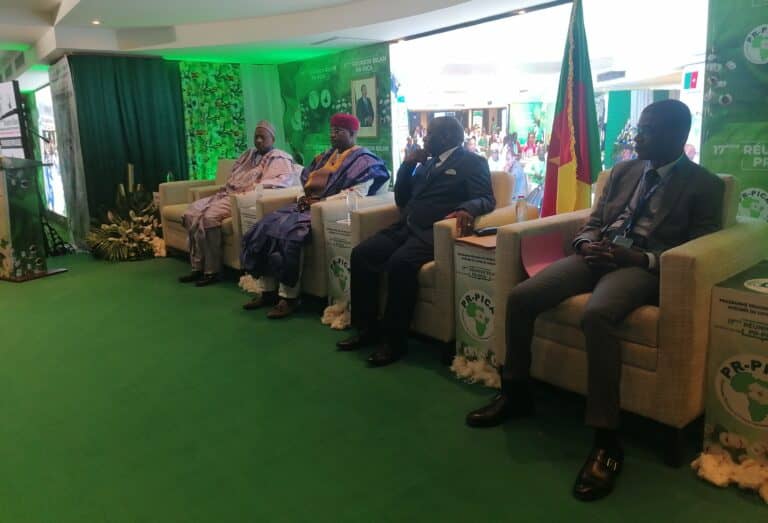
Minister Gabriel Mbairobe of Agriculture and Rural Development, presiding over the opening ceremony alongside Secretary General Aboubakary Haman Tchoutio of the Littoral Governor’s office and a representative from the Ministry of Scientific Research and Innovation, highlighted the sector’s pivotal role in African economies. He emphasized cotton’s contribution to income generation, poverty reduction for millions of producers, and economic growth through production, processing, and distribution, significantly impacting GDP.Minister Mbairobe further detailed the program’s objectives: sharing experiences and knowledge in managing pest pressures, including the recent threat of cotton beetles; promoting varietal improvement to enhance the competitiveness of African cotton in the international market, focusing on maintaining high quality; and addressing climate change impacts, such as drought and flooding, through varietal selection and appropriate fertilization. He stated, “The Cameroonian cotton sector has succeeded in becoming a leading force on the African continent,” underscoring its importance as a vital source of foreign currency.Mohamadou Bayero, Managing Director of Sodecoton, emphasized the urgent need for sector revitalization amidst declining production and rising costs. He identified key challenges including yield losses and compromised harvest quality due to pests, market challenges resulting from oversupply and stagnant demand necessitating new market strategies, including local fiber processing, and increased import costs coupled with uncertainty in export revenue.The meeting gathered a diverse group of participants, including PR-PICA Steering Committee members from Benin, Burkina Faso, Cameroon, Côte d’Ivoire, Mali, Senegal, Chad, and Togo; representatives from the African Cotton Producers Association (APROCA); researchers from PR-PICA member countries; presidents and representatives of Cotton Interprofessional Organizations; and representatives from phyto-pharmaceutical companies, as well as financial and technical partners.Participants expressed hope that the Douala conclave would yield constructive resolutions to support member states in achieving their objectives within the global cotton market.
By Henry Wana
 Visionary Reports
Leave a comment