This was during the 2024 edition of the International White Cane Safety Day, which is celebrated every year on October 15.
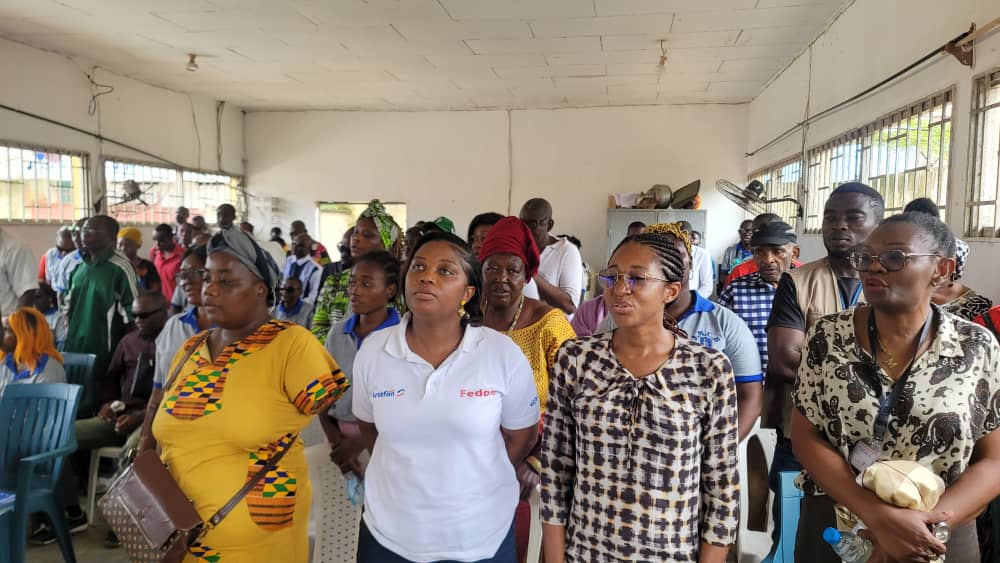
On Wednesday, October 15, visually impaired persons in the littoral region joined their counterparts around the world to commemorate the International White Cane Safety Day. The white cane is an important tool for independence and mobility for persons who are visually impaired or have low vision. This category of people use the white cane to travel independently and to alert themselves to obstacles in their path. The white cane is also a symbol that alerts others to the fact that the person is visually impaired. During the celebration of the 2024 edition of the International White Cane Safety Day in Douala, the Association for the Training and Social Integration of the Blind – known by its French acronym as ACFISA – carried out various activities to raise awareness on the importance and use of the white cane. Members of the association organize different radio and television programs, all in a bit to educate the public about the white cane. On the last day of the celebration, October 15, members gather in Douala II where they called on the public to collaboration whenever they see a visually impaired person on the road. For the President of ACFISA, Ekabe Eyaman Robert, the day is an opportunity to make people aware of the signals that blind people give when they move.

. The white cane, he continued, is an important factor in the socialization of the visually impaired or blind. He explained that sometimes it can cause problems that can be summarized on two levels, namely the lack of understanding and participation of the general public and on the other hand, the acquisition of the cane itself by the latter.
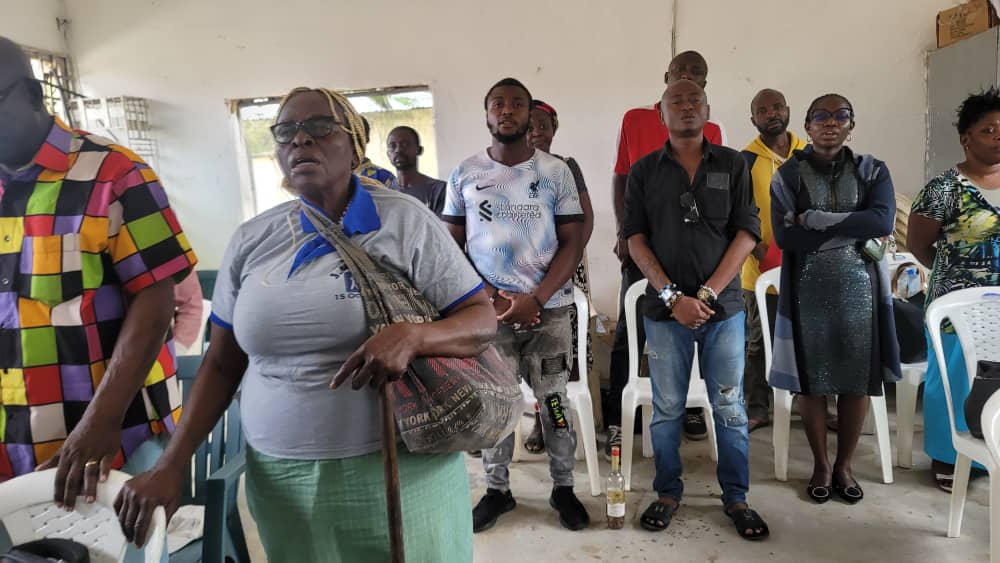
For his part, the Vice President of ACFISA, Kotto Albert, stressed that “we use our senses of hearing and touch to explore and understand the world around us. The white cane, in effect, makes our hands and arms longer so that we can assess the situation and move quickly and confidently. The white cane allows us to avoid obstacles, find steps and curbs, locate and step over cracks or uneven areas in the sidewalk, find doorways, get into cars and buses, and much more” He also took time to demonstrate the different signals of the white cane and what they mean.
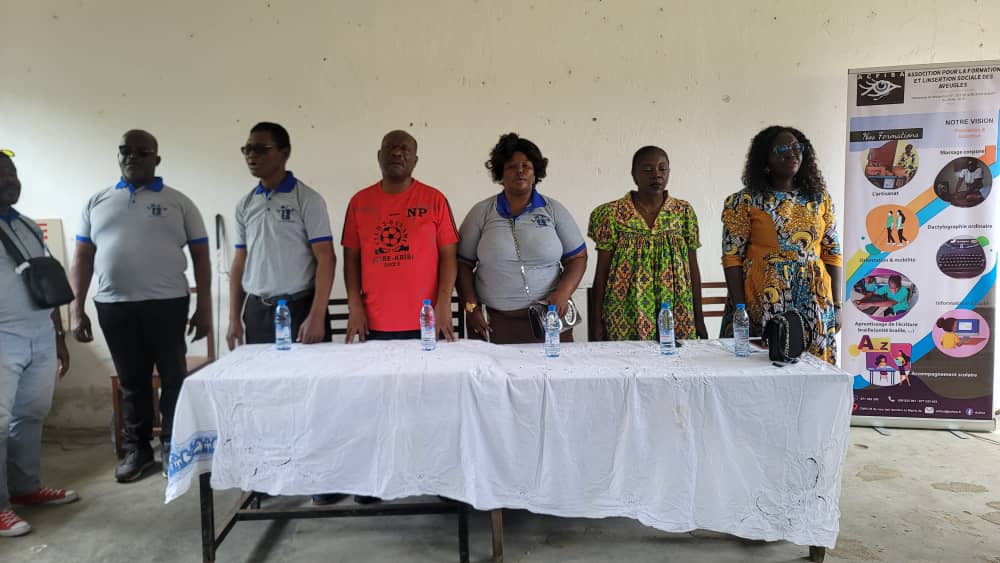
Social Inclusion of the Visually Impaired
 Visionary Reports
Leave a comment