This was during a training organised by the PCC peace office

Pastors of the Presbyterian Church in Cameroon (PCC), Mezam presbytery have been urged to apply the “Do No Harm” (DNH) concept as they go about their duties. This was during a workshop organised by the PCC peace office to empower the men of God in the conflict zone to preach peace while on the pulpit.
The “Do No Harm” principle is aimed at minimising harm in violent conflict situation and support local capacities for peace. The main resource person who also doubles as the National Coordinator of the Cameroon Community Media Network (CCMN), Madam Roseline Akah Obah explained that “the striking aspect of “Do No Harm” is that, there are always options. In case a particular decision reinforces a Divider (element that divides people) or undermines a Connector (element that brings people together and offers local capacities for peace), stakeholders need to look for alternative ways of achieving their objective. Any option found to reduce a negative impact or to enhance a positive one must be checked again in order to avoid unintended side-effects.
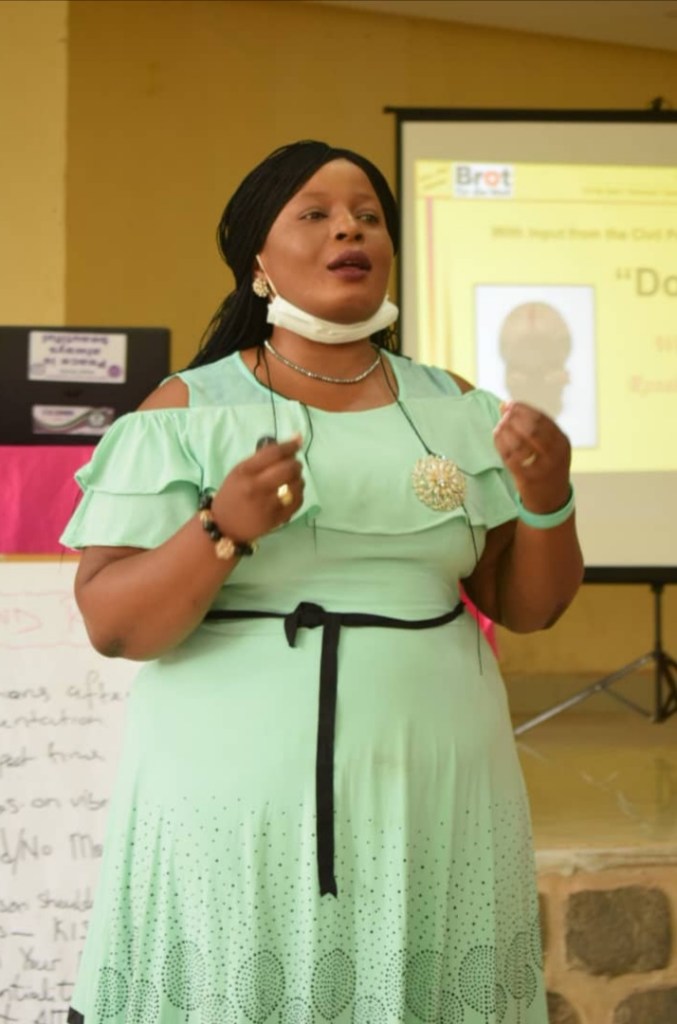
In her words, ”there are seven lessons when exploiting the “Do No Harm” concept in a given context of conflict: Assistance becomes a part of the conflict context. It is not neutral, but becomes a part of the context; there are two realities in any conflict situation- dividers and connectors. Dividers are factors that people are fighting about or causes tension. While connectors bring people together and/or tend to reduce tension. Assistance has an impact on both dividers and connectors. It can increase or reduce dividers or increase or reduce connectors; resource transfers are one mechanism through which assistance produces impacts: What aid agencies and organization bring in and how they distribute it. What is communicated by how agencies and organizations work. What, why, who, by whom, when, where, and how and there are always options for changing assistance programmes to eliminate negative impacts (increase conflict) or to improve positive contributions to peace”.
She further encouraged the Preachers of Mezam Presbytery to go back and explain the “Do No Harm”, concept, apply its tools in context analysis, use the concept to assess the impact of humanitarian or development assistance on conflict and use the framework to plan, monitor and evaluate their programmes.
In her words “in order to understand the potential impact of a programme on a context of conflict, it is important to be aware of the conflict one is talking about. Who are the two groups that are on the different sides of a conflict line, and how can we describe the identities of the two sides? Remember not all conflicts are bad. Different views may be an expression of a healthy process of change that may lead to development.”
By GINA ESONG
 Visionary Reports
Leave a comment